




Project Cargo Demand Rises in Asia Amid Infrastructure Capacity Challenges
Growing project cargo volumes in Asia face obstacles from insufficient landside infrastructure, risking delays in major industrial and infrastructure developments.


Demand for project cargo shipments is expanding across Asia, driven by increased infrastructure and industrial developments, but existing infrastructure limitations are constraining transport capacity and posing operational risks, industry executives said at Breakbulk Asia in Singapore.
Quick Skim
Asia’s Growing Role in Infrastructure Projects
MSC’s head of project cargo, Ben Collins, highlighted Asia’s rising strategic importance for large-scale infrastructure programmes. He pointed to Vietnam’s emerging nuclear power initiatives as an example, suggesting the region is central to delivering complex projects. MSC forecasted continued optimism about this trend.
Geopolitical Shifts Boost Regional Engineering Activities
Felix Schoeller, commercial chief at AAL Shipping, attributed much of the increased project cargo demand to geopolitical developments over the last decade. He cited policies such as the China Plus One manufacturing strategy promoted during the Trump administration, which encouraged the expansion of engineering, procurement, and construction (EPC) work across Southeast Asia and India.
Infrastructure Bottlenecks Restrict Heavy Cargo Movement
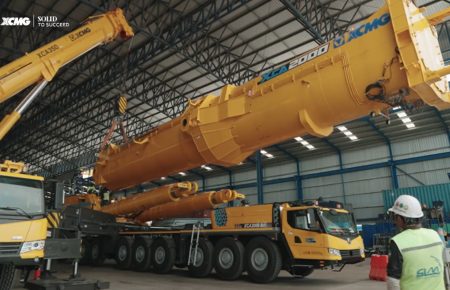
Despite the surge in demand, infrastructure deficiencies are limiting project cargo transport capacity. Kohki Uemura, CEO of Japanese heavylift forwarder Denzai, identified insufficient road and bridge infrastructure as a critical bottleneck for transporting modules weighing from 500 to 1,500 tonnes. He emphasised that current inland networks are often inadequate for such heavy loads.
Logistics Planning and Due Diligence Are Crucial
Yohan Beal, operations director for Asia Pacific at Ceva Logistics, stressed that ensuring logistical feasibility requires careful survey and assessment at early project stages. He urged parties involved to confirm the ability to move cargo from ports to final destinations safely and efficiently before scheduling shipments. This due diligence aims to prevent costly delivery inefficiencies.
Mr Beal remarked that awareness of the importance of logistics in project planning is increasing. Project owners and EPC contractors are involving specialist logistics providers earlier, especially following the disruptions experienced during the pandemic. He noted a shift towards including logistics approvals prior to finalising purchase orders.
Long-Term Transport Costs Should Inform Project Decisions
Ben Collins recommended that project stakeholders avoid focusing solely on short-term cost savings when planning transport. He cautioned that deferring investment in suitable logistics arrangements could lead to higher expenses and operational difficulties in the future as cargo volumes increase.
Photo: Alison Koo / The Loadstar