Vietnam’s Shipbuilding Industry Advances with Green Transition and Technology Focus
Vietnam’s shipbuilding sector is adopting green technologies and enhancing capabilities to integrate into global supply chains as regional demand for environmentally compliant vessels grows.

Vietnam’s civil shipbuilding industry is capitalising on the global shift towards decarbonisation by developing green maritime technologies and expanding production capabilities to meet evolving environmental regulations and market demands.
Quick Skim
HVS Develops LNG Dual-Fuel Tankers with Green Technologies
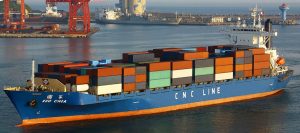
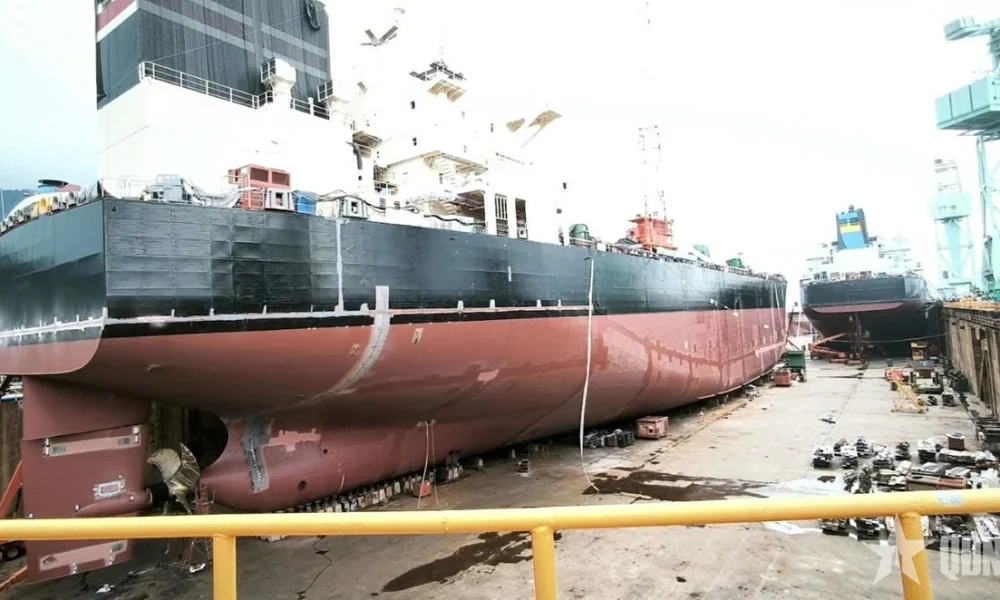
HD Hyundai Vietnam Shipbuilding Co., Ltd. (HVS) is advancing its technical expertise by constructing a 115,000 DWT LR2 dual-fuel LNG oil tanker equipped with rigid sail wind-assisted propulsion systems. According to HVS management, this project aims to build experience in clean fuel vessel systems including fuel technology, safety, and assembly process management.
Since transitioning from ship repair to full-scale newbuilding in 2008, HVS has delivered 210 vessels internationally, spanning cargo ships up to 87,000 tons and oil tankers up to 115,000 tons. Established as a joint venture between the Shipbuilding Industry Corporation (SBIC) and Hyundai Group of Korea, HVS serves as a long-standing cooperation model progressing towards sustainable shipbuilding operations.
Preparing Workforce and Technology for Emission Reduction
General Director Mr Jin Sang Ho of HVS identified emission reduction as a persistent maritime industry challenge impacting design, engineering, material use, and production methodologies. He emphasised ongoing initiatives to enhance technical competencies and workforce skills to comply with stricter environmental standards.
HVS assessed that Vietnamese engineers, technicians, and management personnel possess significant experience not only in procedural adherence but in proactive problem solving and quality assurance. Local shipbuilding companies are positioned to increase involvement in precision mechanics, steel fabrication, electrical systems, and automation-related aspects of vessel construction, provided they elevate technological capacity and supply chain integration.
Strategic Focus on Medium and Specialised Vessels
Dr Pham Hoai Chung, Chairman of SBIC and Vice President of the Vietnam Shipbuilding Industry Science and Technology Association, highlighted three driving forces reshaping the global shipbuilding industry: green transformation, supply chain restructuring, and fleet modernisation through digitalisation.
He recommended Vietnam concentrate on market segments consistent with its industrial base and regional advantages, such as medium-sized commercial vessels, offshore service vessels for the wind power sector, workboats, coastal shipping units, and green ship designs. Concurrently, the development of ship repair, retrofit, and upgrade services aligned with International Maritime Organization (IMO) emission requirements was identified as a growth area with substantial demand across the Asia-Pacific.
Building a Domestic Marine Industrial Ecosystem
The green transformation agenda is supported by Vietnam’s national policy frameworks, including Resolution No. 36-NQ/TW on sustainable marine economic development to 2030 and beyond, which advocates green growth and balanced ecological and economic interests. Strong inter-industry linkages and restructuring are prescribed to improve competitiveness and innovation.
Dr Pham noted that sustainable progression and international competitiveness for Vietnamese shipbuilding depend on cultivating a domestic supply ecosystem encompassing materials, equipment, and technical services. Targeted investments in technology innovation and capacity building within supporting industries are viewed as critical to this objective.
Photo: Vietnam.vn