

South Korea Leads Global Shipbuilding With Advanced Automation And Digital Systems
South Korea's shipbuilding industry utilises automation, robotics, and real-time digital tracking, contrasting with the US's older facilities and prompting significant modernisation efforts.

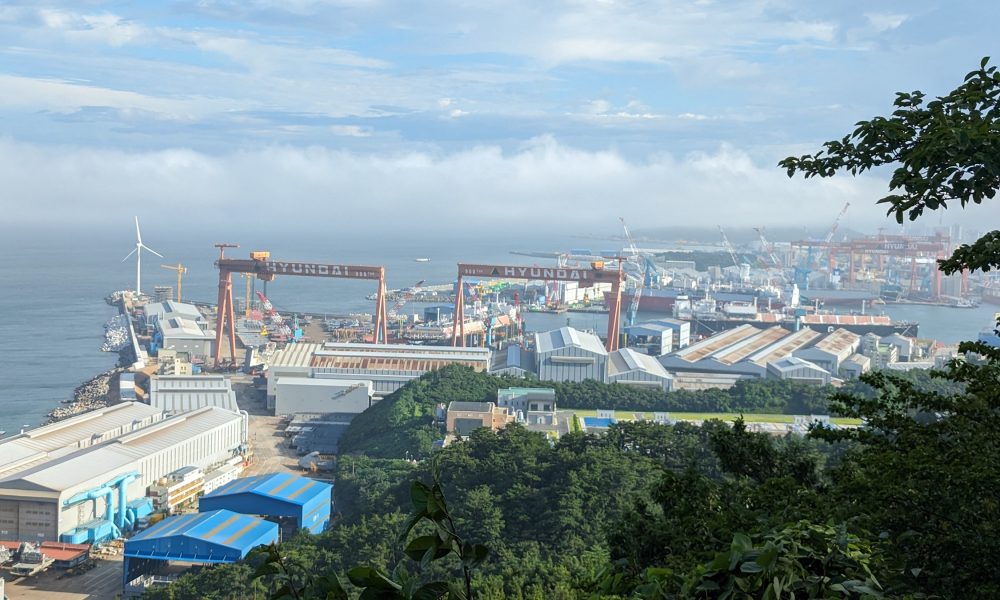 Photo: Wikimedia Commons / Wvdp
South Korea has established itself as a global leader in shipbuilding by deploying automation, robotics, and digital technologies that enable real-time tracking of large ship sections, marking a substantial difference from the situation in the United States.
Quick Skim
South Korea Implements Automation and Robotics for Shipbuilding
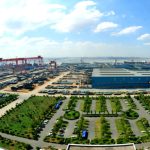
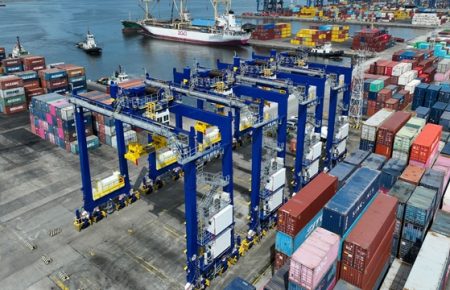
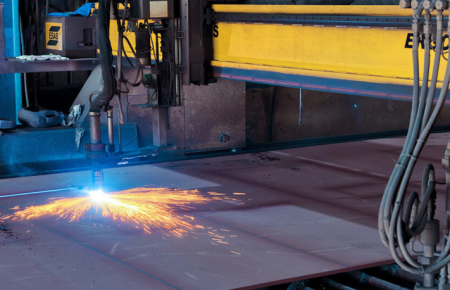
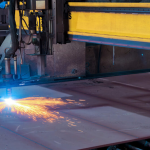
The South Korean shipbuilding sector employs advanced automation and robotic systems extensively in constructing vessels. These technologies coordinate the manufacture and assembly of oversized ship blocks, ensuring precision and efficiency throughout the production process. Real-time digital tracking systems monitor the positioning and progress of these massive components on the shipyard floor, enhancing workflow management and reducing construction times.
US Shipyards Face Challenges Due to Aging Infrastructure
In contrast, several United States shipyards operate with facilities and equipment that are described as being up to fifty years old. This ageing infrastructure limits the adoption of similar modern technologies and contributes to lower production efficiency. A government assessment revealed that modernising just four public shipyards in the US could require an investment exceeding $200 billion and could extend over a period of more than fifty years.
South Korea’s $150 Billion Commitment Aids US Modernisation
Reflecting its technological leadership, South Korea has pledged $150 billion aimed at supporting the modernisation of US shipyards. This commitment underlines the reliance of the US on South Korean expertise and financing to upgrade its shipbuilding capabilities despite considerations tied to national security.
Impact on Industrial Operations in Shipbuilding
The integration of automation and digital tracking within South Korean shipyards has led to enhanced production rates and supply chain optimisation. These technologies reduce bottlenecks and labour-intensive manual processes, improving safety conditions by limiting human exposure to hazardous construction environments. For Asia-Pacific operators, South Korea’s model provides a benchmark for advancing shipbuilding efficiency through digitisation and automation.
Future Developments To Observe
Industry observers will monitor how the relationship between South Korean and US shipbuilding sectors evolves, particularly concerning technology transfer and infrastructure investment. The pace and scale of US shipyard modernisation remain critical factors affecting the competitiveness of domestic shipbuilding in a global context.