

Indonesia’s Manufacturing PMI Rises to 54 Amid Strong Trade Surplus in October
Indonesia’s manufacturing PMI reached 54 in October 2026 alongside a US$3.36 billion trade surplus, signalling expansion in production and external trade performance.

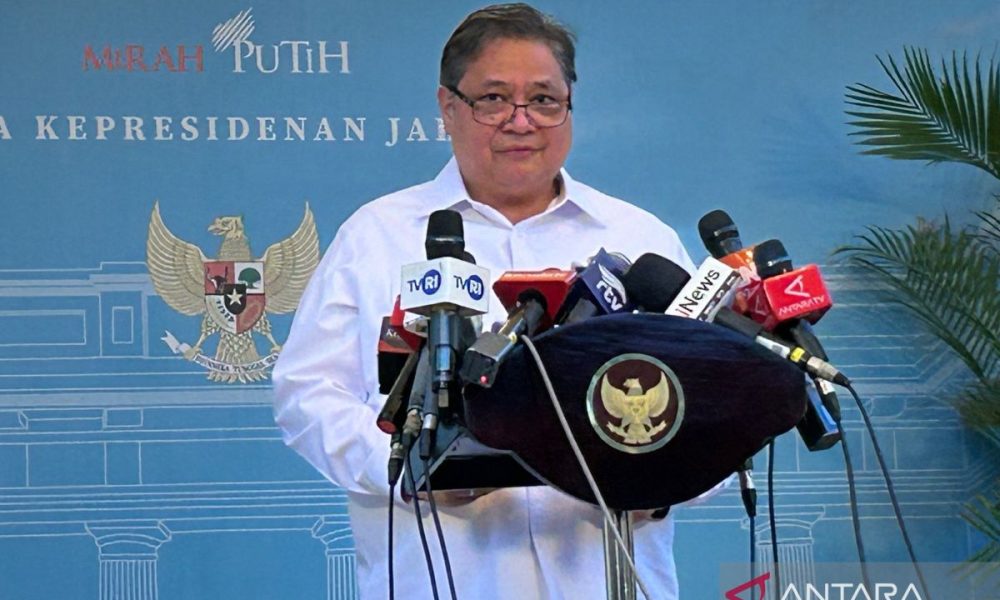
Indonesia’s manufacturing Purchasing Managers’ Index (PMI) rose to 54 in October 2026, up from 52.4 in September, reflecting the strongest expansion since March 2024, the Coordinating Minister for Economic Affairs Airlangga Hartarto reported following a cabinet meeting at the Presidential Palace in Jakarta.
Manufacturing Growth Mirrored in Trade Surplus
The increased manufacturing activity corresponds with Indonesia’s external trade data. In September 2026, the country recorded a trade surplus of US$3.36 billion, driven by a US$5.67 billion surplus in the non-oil and gas sector which offset a US$2.31 billion deficit in the oil and gas sector.
From January to September 2026, the cumulative trade surplus reached US$10.61 billion. Non-oil and gas exports accounted for US$212.27 billion of the total US$221.23 billion in exports, representing a 5.58 percent year-on-year increase. Imports rose by 19.67 percent to US$210.63 billion, largely due to domestic industrial demand for raw materials, intermediate goods, and capital equipment.
Price Stability Supports Economic Fundamentals
On the domestic front, Indonesia’s inflation remains within target. The annual inflation rate in October 2026 stood at 3.23 percent, with monthly inflation at 0.22 percent and year-to-date inflation at 2.4 percent, all within the government’s target range of 2.5 percent, ±1 percent.
Core inflation was recorded at 2.56 percent, administered price inflation at 3.24 percent, and volatile food inflation at 5.81 percent. Rising costs for items such as bird’s-eye chilies, fresh fish, and air travel contributed to inflationary pressures.
To address increasing travel costs ahead of the Christmas 2026 and New Year 2027 holidays, the government is preparing targeted discount programmes.
According to Airlangga, these indicators demonstrate Indonesia’s economic fundamentals remain stable and are expected to maintain this trajectory through the end of the year.