Singapore Centralises Gas Procurement as LNG Supply Expansion Begins
Singapore launches first major LNG procurement under GasCo, targeting long-term supply contracts and infrastructure upgrades to ensure energy security and meet rising demand.

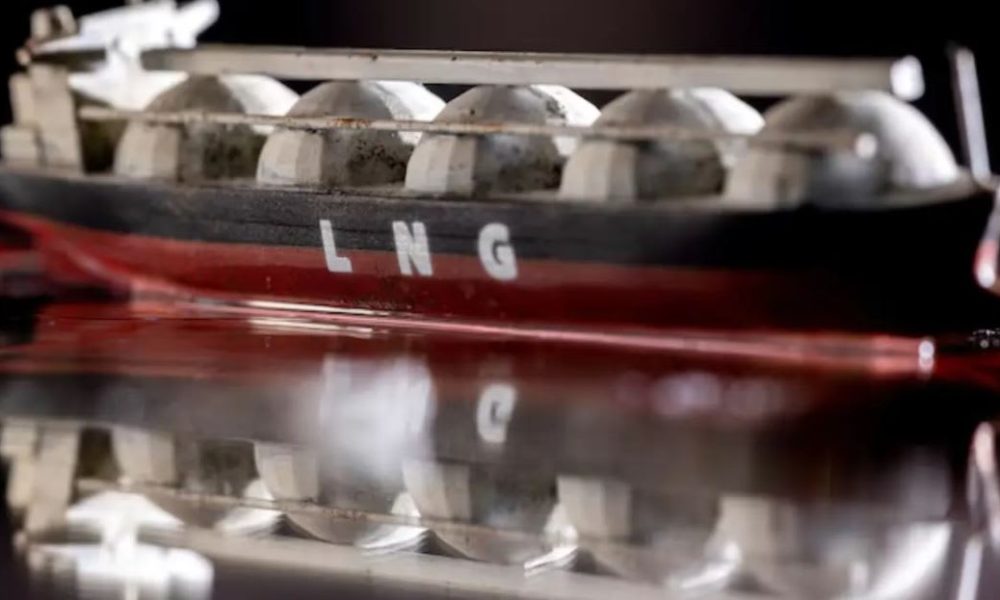
Singapore has initiated its first major long-term liquefied natural gas (LNG) procurement exercise through GasCo, the state-owned gas procurement entity established in 2025, to strengthen energy supply security amid increasing demand. This development supports the nation’s reliance on natural gas for roughly 95% of its electricity generation and follows plans to expand gas-fired capacity by about 26% by the early 2030s.
Quick Skim
GasCo Focuses on Long-Term Contracts with Flexibility
Previously dependent on pipeline supplies from Malaysia and Indonesia complemented by spot market purchases, Singapore’s LNG supply strategy is shifting to prioritise long-term contracts under GasCo. These contracts aim to provide price stability and guaranteed volumes, reducing the exposure to global spot market volatility.
According to Tan See Leng, Minister for Energy, Trade and Industry, GasCo intends to award its first contracts by 2027 with deliveries commencing in 2028, addressing an expected supply shortfall of around three million metric tons in 2028–29, escalating to six million tons by 2035. GasCo’s Chief Executive Alan Heng noted that while long-term agreements will underpin the supply, flexibility will be maintained through spot market purchases and contract clauses allowing volume adjustments and cargo diversion.
Infrastructure Enhancements and Regional Collaboration Underway
To accommodate increased LNG volumes, Singapore is expanding its import infrastructure. The second LNG import terminal, with a regasification capacity of five million tons per annum (mtpa), is under construction and expected to be operational by 2030. This will raise Singapore’s total capacity to 15 mtpa. The government is also evaluating the feasibility of a third LNG terminal on Pulau Tekong to ensure resilience against supply disruptions.
Recent export cuts from Indonesia, which reduced gas pipeline supplies by 31 million standard cubic feet per day, have underscored the vulnerabilities of relying on cross-border pipelines. In response, GasCo is exploring regional cooperation to consolidate LNG demand across ASEAN, potentially increasing collective negotiating power and fostering “energy solidarity,” as suggested by Alan Heng.
Integration of Renewable Gases into Energy Mix
Alongside LNG procurement, Singapore is pursuing decarbonisation pathways by testing biomethane use. Minister Gan indicated that Keppel Energy, Sembcorp Utilities, and Tuas Power have been commissioned to assess the commercial viability of biomethane imports and integration into power generation and industrial applications, aiming to reduce carbon emissions while maintaining supply reliability.
Singapore’s approach combines centralised procurement, infrastructure investment, and regional alignment to meet growing demand, secure energy supplies, and support the gradual transition to lower-carbon fuels. Observers will be monitoring GasCo’s contracting progress and the operationalisation of expanded LNG infrastructure in the coming years.