


Queensland Infrastructure Bottlenecks Delay Australia’s Wind Power Development
Weight limits on a key Queensland bridge force oversized wind turbine transport to detour, slowing renewable energy project logistics.

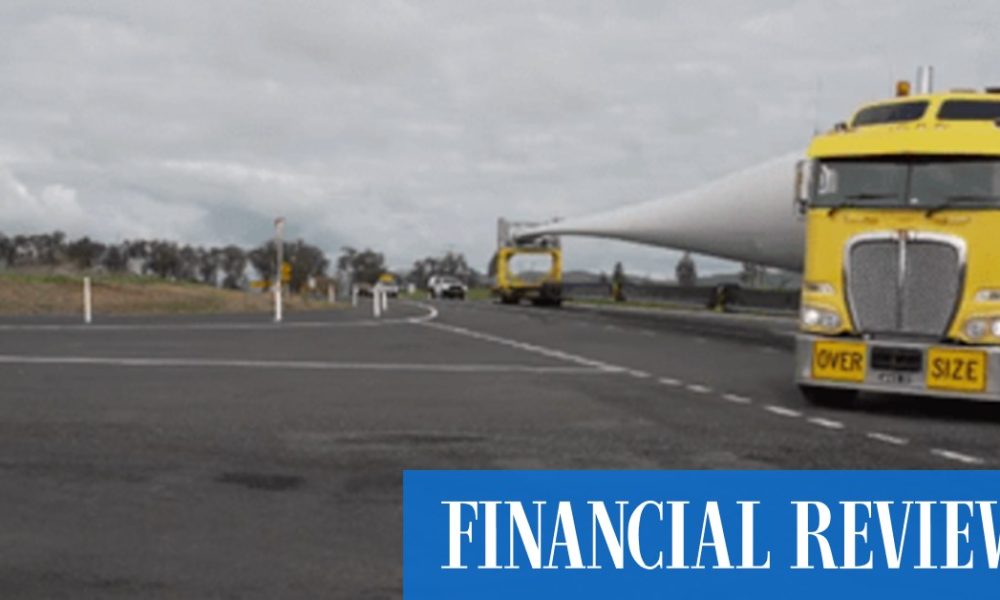
The Dogwood Creek Bridge, a critical freight link on Queensland’s Warrego Highway, is restricting loads above 175 tonnes, impacting the transport of wind turbine components essential for the region’s renewable energy projects.
Bridge Weight Limits Increase Transport Challenges for Wind Projects
The Dogwood Creek Bridge, constructed in 1884 near Miles in Queensland’s Western Downs, supports heavy trucks but imposes a maximum weight limit of 175 tonnes. Oversized trucks carrying wind turbine sections exceed this limit, requiring them to avoid the bridge via a 278-kilometre detour or use inadequately prepared local roads, both of which increase transit times and logistical complexity.
Impact on Renewable Energy Supply Chains
This infrastructural constraint creates bottlenecks for the regional wind power industry by delaying the delivery of large turbine components. These delays can affect project schedules, inflate costs, and raise the risk of supply chain disruptions. Ensuring reliable transport routes for heavy and oversized equipment is crucial for meeting Australia’s broader renewable energy targets.
According to transport and industry sources, such limitations illustrate the broader challenges facing infrastructure networks in supporting the energy transition, highlighting the need for investment in freight corridors capable of accommodating oversized loads associated with wind farm construction.
Going forward, monitoring upgrades to key freight routes and bridges will be essential to reduce transport detours and support Australia’s expanding renewable energy capacity.