LS Electric Expands Bac Ninh Facility to Double Capacity, Targets US$350 Million Sales by 2030
LS Electric has completed a second production building in Bac Ninh, Vietnam, aiming to expand ASEAN market share and increase subsidiary sales to US$350 million by 2030.

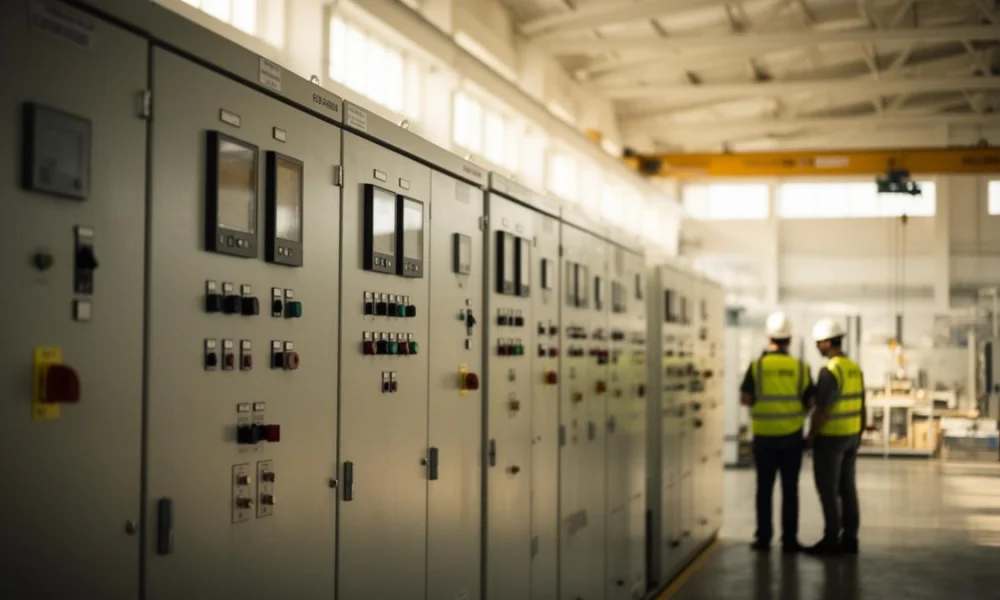
LS Electric completed a second production building at its Bac Ninh site in Vietnam, aiming to double local production capacity and grow subsidiary sales to US$350 million by 2030, strengthening its position in the ASEAN power equipment market.
Quick Skim
Second Bac Ninh Building Increases Production Capacity
The new facility spans 7,611 square metres over four above-ground floors and includes dedicated production lines for ring main units, battery control panels for energy storage systems, and air circuit breakers. LS Electric anticipates entering mass production shortly after completion, having secured orders sufficient for full operation.
The expansion comes four years after the completion of its first Bac Ninh plant in 2022. LS Electric expects sales at its Vietnamese subsidiary to rise from US$83 million in 2022 to about US$166 million in 2026, doubling again to reach its US$350 million target by 2030.
Strategic Focus on ASEAN Power Equipment Market
LS Electric has operated in Vietnam since the mid-1990s and has maintained a leading share—over 35%—of the local low-voltage power equipment sector since 2013. The company regards the ASEAN market as a core growth region, driven by rising demand related to data centre investments and renewable energy integration accompanying urbanisation and industrialisation.
Market forecasts project the ASEAN power equipment market will grow from approximately US$32 billion in 2024 to US$46 billion by 2030, at an average annual growth rate exceeding 6%.
A company official noted that the expansion aims to create a “power solutions partner trusted by global customers through timely supply and thorough quality control.” LS Electric views ASEAN as a potential third pillar alongside its North American and European distribution and automation business streams.
Implications for Industrial Operations
The added production capacity in Bac Ninh positions LS Electric to optimise supply chains and reduce lead times within ASEAN. This could enhance responsiveness to local demand spikes and improve maintenance and quality assurance processes through regional manufacturing localisation.
However, competition from multinational firms such as Schneider Electric and ABB, along with Chinese and local manufacturers, presents challenges in maintaining order volumes and profitability in the region.
LS Electric’s Bac Ninh expansion reflects a strategic pivot to reinforce overseas manufacturing capabilities amid recent earnings pressures and shares corrections, aiming to sustain long-term growth in a competitive market.
Looking ahead, monitoring the Vietnamese subsidiary’s sales trajectory and regional market share growth will be key to assessing the effectiveness of LS Electric’s ASEAN expansion strategy.