



ASEAN Advances Regional Power Grid and Explores Shared Oil Reserves to Enhance Energy Security
ASEAN member states signed an enhanced power grid agreement and consider a shared oil stockpile to mitigate supply disruptions amid global fuel uncertainties.

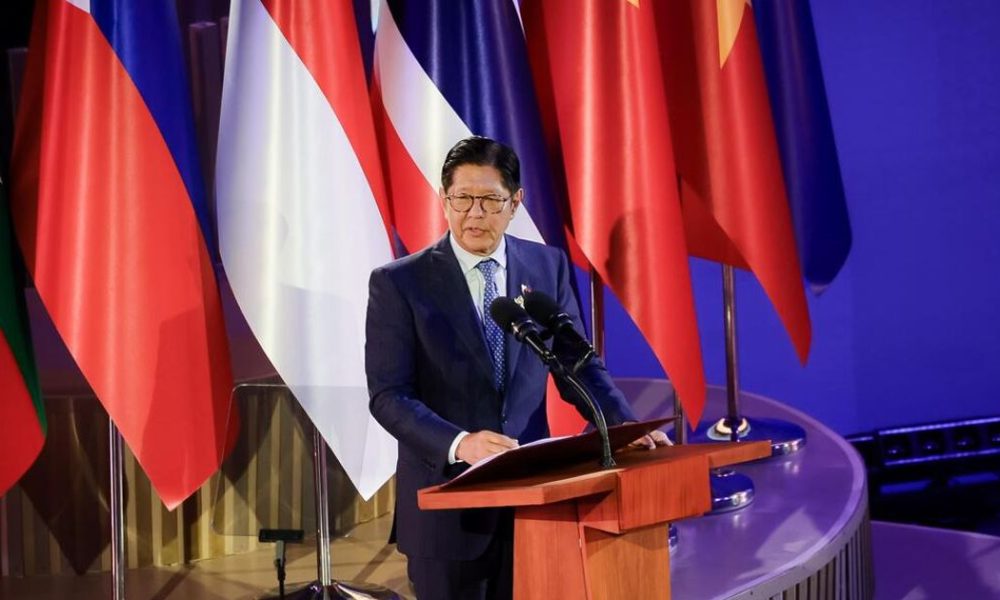
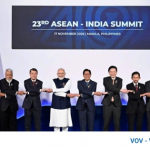
ASEAN members have signed an improved memorandum of understanding to connect South-east Asia’s electricity networks, aiming to enhance regional energy security amid global fuel supply challenges, the Philippine President announced on 17 November in Manila.
Quick Skim
ASEAN Power Grid Agreement Signed by All Member States
The Philippines, as the current ASEAN chair, confirmed that all 11 member states endorsed the enhanced ASEAN Power Grid (APG) memorandum of understanding. The initiative facilitates cross-border electricity trading, allowing countries to access each other’s energy resources, including renewables. President Ferdinand Marcos Jr detailed plans for an undersea cable linking Sabah, Malaysia, and Mindanao in the Philippines to support this integration.
Marcos stated the grid’s progress represents a significant development after years of discussions and underscores a collective approach to energy stability in the region.
Exploration of Regional Oil Reserve Sharing
Alongside the APG, ASEAN countries including Singapore, Indonesia, Malaysia, and the Philippines have expressed support for a regional oil stockpiling mechanism. This framework would enable participating nations to draw from each other’s fuel reserves during emergencies, improving resilience against supply shocks exacerbated by the Middle East conflict.
The Philippines has initiated pilot agreements with Indonesia and Thailand using a “ticket” system, where oil reserves are reserved on behalf of a purchaser for a fee, thereby reducing domestic storage investments.
Challenges and Implications for Energy Operations
Experts caution that the success of the oil-sharing mechanism depends on robust legal guarantees against export restrictions by host governments during crises. Additional challenges include ensuring pricing transparency, logistical coordination, and consistent stock level reporting.
Sanjeev Gupta, EY-Parthenon’s ASEAN and Singapore energy lead, noted that standardised contracts, national stockholding commitments, and verification systems must accompany such schemes. He identified Singapore as a potential hub for managing these transactions due to its refining and trading infrastructure.
Energy analysts also warn that reliance on oil-sharing could slow the region’s transition to renewables, potentially perpetuating fossil fuel dependency.
Significance for ASEAN Industrial and Energy Sectors
The regional power grid aims to optimise electricity generation and distribution efficiency, facilitating renewable integration and enhancing energy access reliability for industrial and commercial users. Shared fuel reserves are expected to stabilise supply chains and reduce operational risks linked to geopolitical tensions and market volatility. Maintenance regimes and infrastructure investments will require coordination among member states to ensure interoperability and system resilience.
These developments align with ASEAN’s broader agenda to strengthen regional cooperation on energy security and digital economy frameworks, underpinning sustainable industrial growth.
ASEAN’s next steps include operationalising these agreements and addressing regulatory and investment hurdles to enable effective energy integration. The region will also monitor the geopolitical environment, especially regarding South China Sea negotiations and Myanmar’s political developments, which continue to influence regional stability.