
Ssangyong Electric Power Scales Back Vietnam Operations and Invests KRW 10 Billion in Busan Facility
Ssangyong Electric Power plans KRW 10 billion investment in Busan’s Mieum Industrial Complex for new manufacturing plant and research centre, reducing Vietnam production.

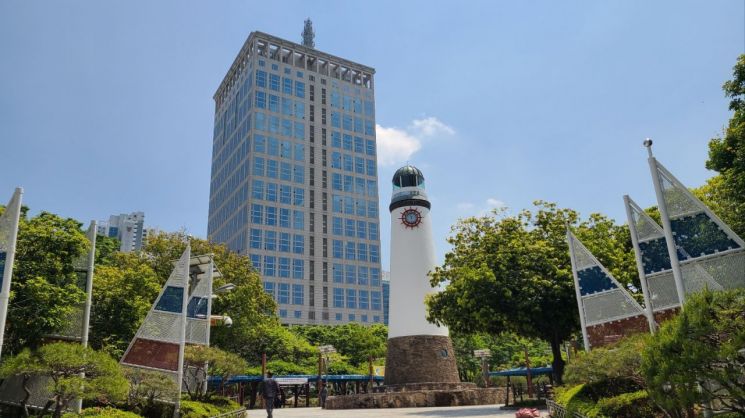
Ssangyong Electric Power is reducing its production activities in Vietnam and investing KRW 10 billion to establish a new manufacturing plant and research centre in the Mieum Industrial Complex, Busan, with plans to create around 50 jobs by 2030. The investment follows the company’s selection last August as a “company returning production to Korea” by the Ministry of Trade, Industry and Energy.
Quick Skim
Investment Includes New Plant and Research Centre in Busan
The Busan Metropolitan Government, the Busan-Jinhae Free Economic Zone Authority, and Ssangyong Electric Power signed a memorandum of understanding on 18 November to facilitate the new facility. Ssangyong’s investment target covers establishing production and R&D capabilities in the Mieum Industrial Complex, located in Gangseo-gu, Busan.
The company intends to recruit about 50 young workers by 2030, focusing on specialised high school graduates and supporting domestic employment growth.
Restructuring Production Strategy to Strengthen Domestic Base
Founded in 2001, Ssangyong Electric Power manufactures industrial power equipment such as switchboards and automatic electric control panels. It relocated its headquarters and plant to Busan’s Mieum Industrial Complex in 2014 and expanded overseas with a production plant completed in Ho Chi Minh City, Vietnam, in 2020.
According to company and government sources, the move to scale back its Vietnam operations aims to respond to evolving international trade conditions and reinforce Korea’s domestic production capacity. Ssangyong Electric Power seeks to enhance its technological competitiveness amid growing power equipment demand, especially in advanced industrial sectors.
The company is known for developing switchboards using glass fibre-reinforced materials, a capability that is expected to contribute to advancing the local power equipment industry in Busan.
Implications for Regional Industrial Operations
The investment strengthens Busan’s role as a manufacturing hub for power equipment and aligns with broader industrial efforts to bolster domestic production and talent development. The creation of technical jobs and research facilities supports skills development for younger workers in specialized trades, addressing workforce renewal in the region.
Kim Gihwan, head of Busan’s Economic Policy Office, commented on the initiative, expressing government support for the company’s return despite challenging economic conditions and emphasising assistance from plant establishment to operational phases.
Observers will be monitoring how Ssangyong Electric Power’s reinvestment impacts domestic supply chains and production agility amid ongoing shifts in global trade and manufacturing localisation trends.