

AirTrunk and European Energy Advance Over 1 GW Renewable Energy Projects in NSW
AirTrunk and European Energy sign exclusivity agreement to develop more than 1 GW renewable energy and storage in New South Wales.

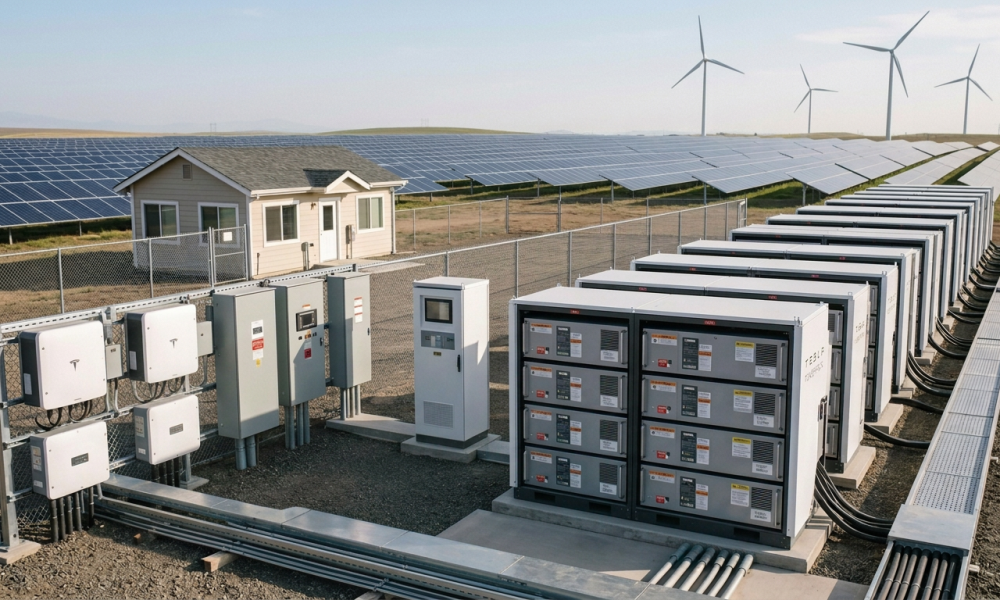
AirTrunk, a hyperscale data centre operator, and European Energy Australia have entered an exclusivity agreement to develop over 1 gigawatt of renewable energy generation and battery storage projects in the Hunter region of New South Wales, aimed at supporting the state’s electricity demand growth and AirTrunk’s planned data centre expansion.
Quick Skim
- Partnership Targets More Than 1 GW Renewable Capacity
- Integration With Updated Electricity Infrastructure
- Supporting AirTrunk’s Data Centre Power Requirements
- Alignment With Government and Industry Policies
- Builds on Existing Renewable Collaboration
- Implications for Industrial Operations and Regional Grid Stability
- Next Steps Towards Project Realisation
Partnership Targets More Than 1 GW Renewable Capacity
The proposed developments include a 260 MW solar farm, a battery energy storage system exceeding 800 MWh in capacity, and a wind project with an expected capacity of up to 350 MW. All projects are located within the Hunter-Central Coast Renewable Energy Zone (REZ), contributing additional clean electricity and storage capacity to the New South Wales power grid.
According to the companies, the solar and battery storage assets are scheduled to begin operations in 2030, while the wind installation is anticipated to commence in 2032. These timelines are subject to regulatory approvals and final connection arrangements.
Integration With Updated Electricity Infrastructure
European Energy Australia plans to connect the projects to Ausgrid’s upgraded 132 kV electricity network within the Hunter-Central Coast REZ. European Energy stated connection remains contingent on technical assessments and formal regulatory approvals before proceeding.
Supporting AirTrunk’s Data Centre Power Requirements
AirTrunk and European Energy are discussing a potential long-term Power Purchase Agreement (PPA) to support AirTrunk’s electricity needs for its planned Kurri Kurri data centre campus. The campus is proposed on a former smelter site at Loxford, reusing industrial land and infrastructure. AirTrunk says it has conducted community engagement activities over the past four months.
AirTrunk aims to match 100% of its electricity consumption with renewable energy by 2030, consistent with its Net Zero 2030 commitment. During FY26, approximately 73% of its electricity consumption across its portfolio was matched with renewable energy, a share the company intends to increase through these developments and future long-term agreements.
Alignment With Government and Industry Policies
The collaboration aligns with Australian Government directives requiring data centre operators to secure additional clean energy generation and storage to meet rising electricity demands. The New South Wales Data Centre Guidelines also expect operators to fund incremental energy infrastructure without transferring those costs to communities or local businesses.
Robin Khuda, AirTrunk’s Founder and CEO, emphasised the importance of matching digital infrastructure growth with new electricity generation to meet policy expectations. AirTrunk’s AVP Energy, Sabooh Whitelaw, noted the company’s focus on addressing community concerns and securing clean energy through dedicated renewable generation and supply arrangements.
Builds on Existing Renewable Collaboration
The new agreement expands on AirTrunk and European Energy’s prior partnership at the 31 MW Mulwala Solar Farm, which recently became operational and contributes renewable electricity to the New South Wales grid. European Energy’s Managing Director in Australia, Catriona McLeod, stated that collaborating with technology operators like AirTrunk could accelerate renewable project delivery and increase grid electricity supply.
Implications for Industrial Operations and Regional Grid Stability
By developing a mix of solar, wind, and large-scale battery storage resources within a key renewable energy zone, the partnership supports diversification of energy sources and grid flexibility in New South Wales. For industrial and digital infrastructure operators, such integrated renewable solutions help manage electricity costs, improve supply chain resilience, and reduce reliance on fossil-fuel grid power.
The projects’ location within the Hunter-Central Coast REZ leverages upgraded transmission assets to facilitate integration, which is critical in accommodating higher renewable penetration and ensuring reliable power delivery for data centres and other energy-intensive facilities.
Next Steps Towards Project Realisation
Both companies are continuing project development activities and progressing discussions for the proposed long-term PPA. Key milestones will include securing regulatory approvals, finalising grid connection agreements with Ausgrid, and advancing detailed project designs towards the targeted commissioning dates in 2030 and 2032.
Photo: SolarQuarter