






Agentic AI Gains Ground in Manufacturing, but Data Gaps Remain a Barrier
Manufacturers are showing growing interest in agentic AI as companies explore ways to automate more complex industrial processes. However, fragmented data and legacy systems remain significant...



Quick Skim
Manufacturers are showing growing interest in agentic AI as companies explore ways to automate more complex industrial processes. However, fragmented data and legacy systems remain significant barriers to broader adoption.
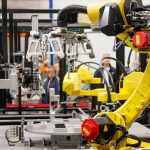
Agentic AI is emerging as the next stage of artificial intelligence adoption in manufacturing, with the technology designed to perform tasks and make decisions with greater autonomy than traditional AI applications.
Unlike conventional AI systems that primarily analyse information or generate recommendations, AI agents can potentially complete multi-step tasks, interact with different systems and take actions based on defined objectives.
For manufacturers, potential applications range from production planning and supply chain management to predictive maintenance and equipment monitoring.
However, the ability to deploy these systems effectively depends heavily on the quality and accessibility of industrial data.
Manufacturing Data Remains Fragmented
Many manufacturing facilities continue to operate with information spread across multiple systems, machines and databases.
Operational technology systems, enterprise software, maintenance platforms and equipment sensors can all generate valuable data, but the information is often stored in different formats or isolated environments.
These data gaps can make it difficult for AI agents to develop the operational context required to perform tasks reliably.
Manufacturers are therefore focusing on improving data infrastructure and system integration as they explore more advanced AI applications.
Legacy equipment is another challenge. Older machines may not have the connectivity or data capabilities required to integrate easily with modern AI platforms, increasing the complexity of deploying autonomous systems across existing factories.
Predictive Maintenance Among Key Applications
Predictive maintenance is one area where agentic AI could have a growing role.
Manufacturers already use sensor data and machine-learning systems to monitor equipment condition and identify signs of potential failure.
Agentic AI could extend these capabilities by connecting equipment insights with other maintenance processes and systems, helping companies automate more of the workflow surrounding equipment monitoring and maintenance management.
Other potential applications include production optimisation, quality management, inventory planning and supply chain operations.
Adoption Expected to Develop Gradually
Despite growing interest, manufacturing adoption of agentic AI remains at an early stage.
Industrial environments involve complex physical systems where reliability, safety and operational continuity are critical. This means manufacturers are likely to introduce greater AI autonomy gradually rather than immediately handing complete control to autonomous systems.
Human oversight is expected to remain important, particularly for decisions involving production-critical equipment and processes.
Manufacturers are also evaluating how AI agents can operate alongside existing automation systems rather than replacing established industrial technologies.
Data Readiness Comes Before Greater Autonomy
The development of agentic AI reflects the manufacturing sector’s broader move towards more connected and intelligent operations.
However, successful deployment will depend on more than the AI technology itself.
Manufacturers will need reliable industrial data, stronger integration between systems and clear governance around how AI agents access information and perform operational tasks.
As companies continue experimenting with the technology, improving data readiness is likely to remain one of the most important foundations for expanding agentic AI across manufacturing operations.