





CULines Launches Direct China-Indonesia Service to Cut Transit Time and Logistics Costs
CULines has launched a new weekly container service linking Shanghai and Ningbo directly with Jakarta and Surabaya, removing the need for transshipment through regional hubs such as Singapore or Port...

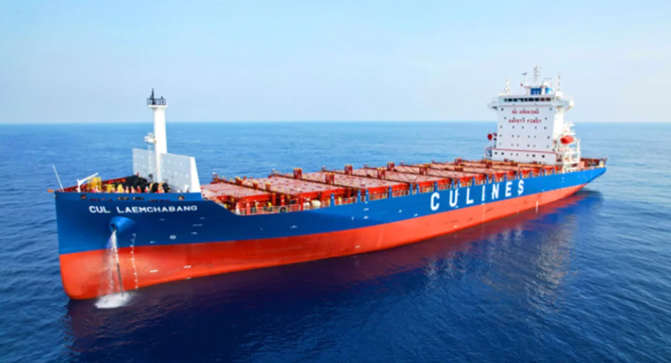
CULines has launched a new weekly container service linking Shanghai and Ningbo directly with Jakarta and Surabaya, removing the need for transshipment through regional hubs such as Singapore or Port Klang.
Quick Skim
The new CN1 service gives exporters and importers a dedicated connection between major manufacturing centres in eastern China and Indonesia’s two main commercial and industrial container gateways.
Direct Calls Replace Transshipment
Before the launch of CN1, much of the container cargo moving between eastern China and Indonesia relied on third-port transshipment through Singapore or Port Klang.
Those additional stops increased handling requirements and could add extra days to cargo transit times.
CULines said the direct service is designed to provide shorter transit times, better schedule reliability and lower overall logistics costs by removing intermediate transshipment calls.
Shanghai and Ningbo Connect With Jakarta and Surabaya
CN1 operates on a weekly basis with direct calls at Shanghai and Ningbo in China and Jakarta and Surabaya in Indonesia.
The route connects some of the region’s major manufacturing and logistics centres.
Shanghai and Ningbo are key gateways for Chinese exports, while Jakarta and Surabaya handle significant volumes of Indonesian industrial, consumer and international trade cargo.
Service Expands CULines’ Southeast Asia Network
The new route strengthens CULines’ existing network across Southeast Asia.
Earlier in 2026, the carrier introduced several Indonesia-focused feeder services from Port Klang to secondary Indonesian ports.
CN1 marks its first direct main-lane connection between eastern China and Indonesia without an intermediate transshipment hub, expanding the carrier’s coverage of one of Asia’s growing trade corridors.
China-Indonesia Trade Supports New Route
China remains Indonesia’s largest trading partner, creating substantial two-way container flows between the two markets.
Cargo moving from China to Indonesia includes machinery, electronics, household goods and automotive components, while Indonesian exports to China include commodities, raw materials and manufactured products.
The direct service is aimed at supporting these growing trade volumes while simplifying the movement of cargo between manufacturers, suppliers and customers in both countries.
Direct Shipping Strengthens Regional Supply Chains
The launch reflects growing demand for more direct intra-Asia shipping connections as manufacturers and cargo owners seek shorter lead times and more predictable supply chains.
By bypassing traditional transshipment hubs, CN1 reduces the number of cargo-handling stages between eastern China and Indonesia.
For manufacturers and logistics operators, the new connection provides another option for moving goods between two major Asian production markets while potentially improving transit reliability and supply-chain efficiency.