



Google Funds US$160 Million Water Plant to Support Negeri Sembilan Data Centre
Google will invest US$160 million in water infrastructure in Negeri Sembilan to support its Port Dickson data centre and local water supply needs.

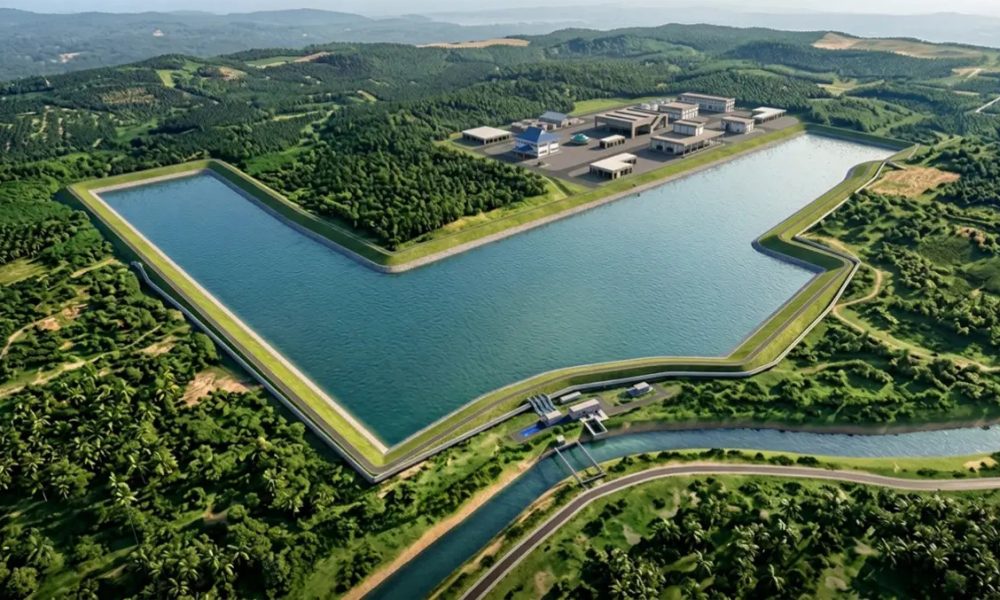
Google has committed US$160 million to develop shared water infrastructure in Negeri Sembilan, Malaysia, to support its upcoming data centre campus in Port Dickson and supply broader local demand. The investment includes an off-river storage reservoir on the Linggi River and a water treatment plant, constructed in partnership with state authorities and water utility SAINS, with Gamuda acting as contractor.
Quick Skim
Water Infrastructure Designed to Stabilise Supply and Manage Flood Risks
The reservoir is engineered to capture surplus river flow and rainfall during high-yield periods, storing raw water for treatment and use in domestic and commercial applications. This mechanism aims to reduce pressure on the Linggi River during dry spells by relying on stored reserves rather than direct river intake, supporting a steadier supply in the area.
Additionally, the reservoir is expected to mitigate flooding in vulnerable nearby zones. Upon completion, the facilities will be owned by the Menteri Besar Negeri Sembilan and are projected to deliver 65 million litres of treated water daily.
Integration with Broader Infrastructure and Skills Development Plans
Google’s funding forms part of an integrated approach linking its digital infrastructure objectives with utility upgrades and workforce development programmes. The company will also cover electricity expenses for the data centre and bear direct costs relating to grid connections, adhering to local regulations.
Google has highlighted that the water project aligns with its global target to replenish 120% of the freshwater it consumes, reflecting a commitment to sustainable operations despite local water sources not being at high risk of depletion.
Collaboration extends to clean power initiatives with consortiums including Shizen Energy-Solarvest and TotalEnergies, securing new renewable energy capacity through power purchase agreements.
Concurrent skills initiatives with SOLS Foundation aim to establish solar and energy laboratories in public schools and deliver targeted training for young people from lower-income and Indigenous backgrounds, emphasising clean energy trades and digital tools.
Implications for Industrial Operations in Asia-Pacific
The development illustrates the interconnectedness of digital infrastructure expansion and essential utility upgrades, highlighting the need for resilient water and power supplies to support data centre operations. Public-private collaboration in infrastructure investment can create sustainable benefits for industrial ecosystems and local communities, fostering workforce skill enhancements aligned with digital and clean energy sectors.
State officials regard the investment as pivotal for Negeri Sembilan’s emergence as a digital infrastructure hub capable of attracting complementary investments and expanding economic opportunities.
Going forward, the focus will remain on coordinated execution through to long-term operation, ensuring that infrastructure enhancements and skill development continue to support the region’s competitiveness and resource sustainability.