
HD Hyundai Plans $4 Billion Shipyard in India as Korea Expands Shipbuilding Ties
HD Hyundai aims to build a $4 billion shipyard in India’s Thoothukudi port, supporting India’s goal to boost domestic shipbuilding with Korean technology and investment.

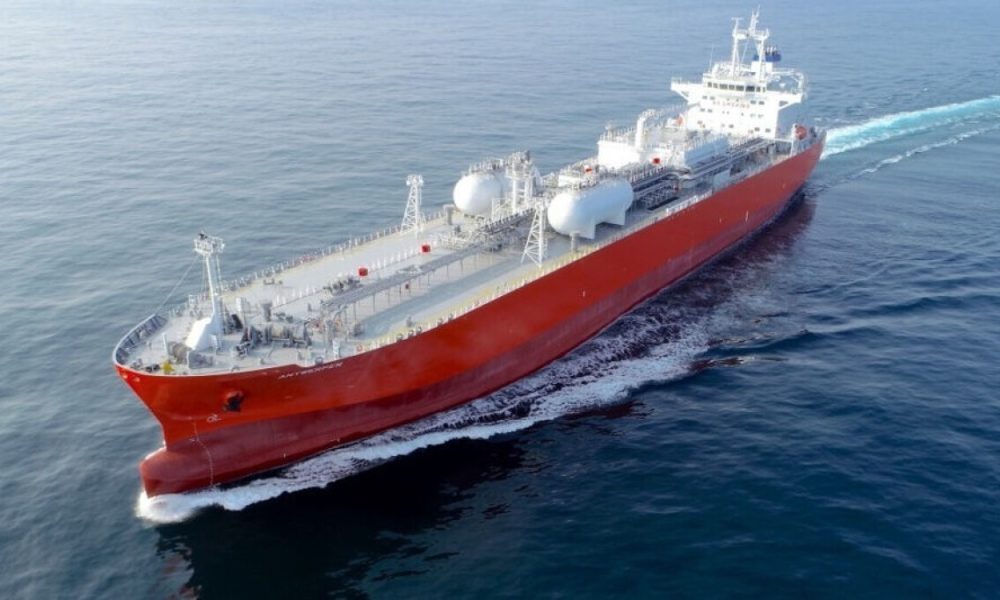
HD Hyundai is set to develop a $4 billion shipyard in Thoothukudi, India, reflecting Korea’s expanding role in supporting India’s efforts to grow its domestic shipbuilding capacity and reduce reliance on China. The initiative contributes to India’s ambition to become a major global shipbuilder by 2047 and offers Korean companies opportunities to deploy surplus production capacity.
Quick Skim
HD Hyundai to Lead Shipyard Joint Venture in India
HD Hyundai will hold a majority stake in a joint venture to operate the new shipyard, aiming to deliver an annual capacity of about 2.5 million gross tons. The project, currently undergoing detailed feasibility and site assessments, targets completion within four to five years. Indian state and central government subsidies are expected to cover approximately 45 to 47 percent of the total investment, estimated at $4 billion, with HD Hyundai financing the remainder.
India plans to place initial shipbuilding orders with HD Hyundai’s Korean yards and send Indian workers there for training while the yard is under construction. The new facility would be HD Hyundai’s third overseas yard, complementing its existing operations in Vietnam and the Philippines.
India’s Shipbuilding Ambitions Align with Korean Capacity Needs
India aims to increase its annual shipbuilding capacity to 4.5 million gross tons by 2047, aspiring to rank among the world’s top five shipbuilders. Currently, India holds only 0.5 percent of global vessel orders despite having a maritime trade volume that accounts for about 95 percent of its trade. Indian yards face challenges in productivity, requiring significantly more man-hours than Korean counterparts.
Korean yards, in contrast, are currently operating at near full capacity with a backlog of work extending up to five years. Expansion into India offers a subsidised opportunity to increase tonnage without displacing domestic production.
Implications for Industry and Regional Supply Chains
The partnership could diversify global production away from East Asia by building shipbuilding capacity through state support and technology transfer. This aligns with India’s strategic preference to cooperate with Korea rather than China, due to geopolitical considerations.
The shipyard in Thoothukudi will focus on container ships and large oil tankers — vessel types that Korean yards continue to build — supporting India’s market needs and export potential. This development may aid maintenance and operations by increasing local ship availability and modernising the aging vessel fleet, where nearly half of India’s ships are over 20 years old.
However, local workforce capability remains unproven, and successful deployment will depend on effective training and labour productivity improvements. Political stability and continued government support are essential for sustaining investment in the project and ensuring long-term viability beyond subsidy expiry in 2036.
HD Hyundai’s detailed project report is expected by late April 2026, which will clarify the definitive scope, scale, and timeline. The outcomes will indicate whether India’s shipbuilding industry can expand successfully with Korean collaboration and state support.