




Malaysia Considers Charging for Reserved but Unused Data Center Power Capacity
Malaysia may require data centers to pay for reserved electricity capacity regardless of usage to regulate the sector’s growing power demands.

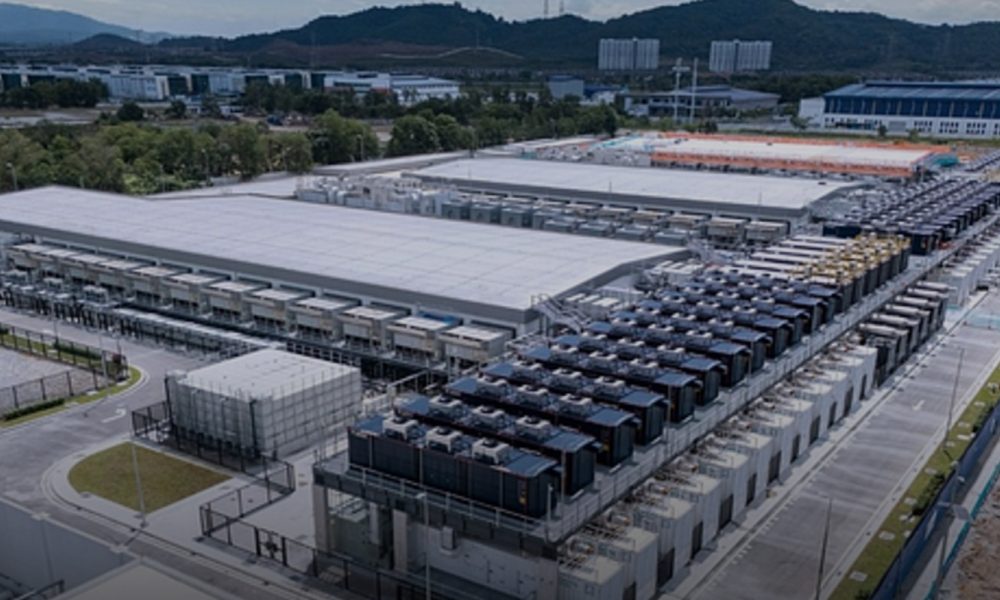
Malaysia’s investment minister stated in Parliament on 15 October that data centers reserving electricity capacity but not using it must pay for the full reserved amount, signalling regulatory tightening in the country’s expanding hyperscale data sector.
Data Center Operators to Pay for Unused Power Capacity
Johari Abdul Ghani, Malaysia’s investment minister, explained that a data center with an electricity reservation of 200 megawatts but actual usage of only 100 megawatts would be responsible for paying charges on the entire reserved 200 megawatts. He further indicated that operators who fail to comply with payment obligations would be prohibited from continuing operations.
The statement reflects government concerns about electricity demand in a sector that often reserves large power volumes ahead of ramped-up operations. It also points to a potential shift in investment and operational models within Malaysia’s hyperscale data infrastructure.
Implications for Industry Operations
This policy could increase operational costs for data center providers that have committed to significant capacity ahead of actual demand, affecting supply chain planning and capital expenditure. It may encourage optimisation of power use and more accurate forecasting to avoid paying for unused power allocations.
The approach serves to manage infrastructure load and electricity consumption, supporting more efficient resource allocation amid rapid growth in Malaysia’s data center capacity.
According to the minister, investors will need to fund these obligations as part of their operation costs, potentially impacting project financing decisions within the sector.
Industry observers will be monitoring how this policy influences data center investment strategies, operational efficiencies, and regulatory compliance in Malaysia’s increasingly competitive market.