






New Hormuz and Saudi Attacks Raise Fresh Risks for Global Oil and Shipping
New attacks on vessels in the Strait of Hormuz and on Saudi energy infrastructure have renewed concerns over global oil supply, after a projectile struck a ship in the strait and drone attacks...

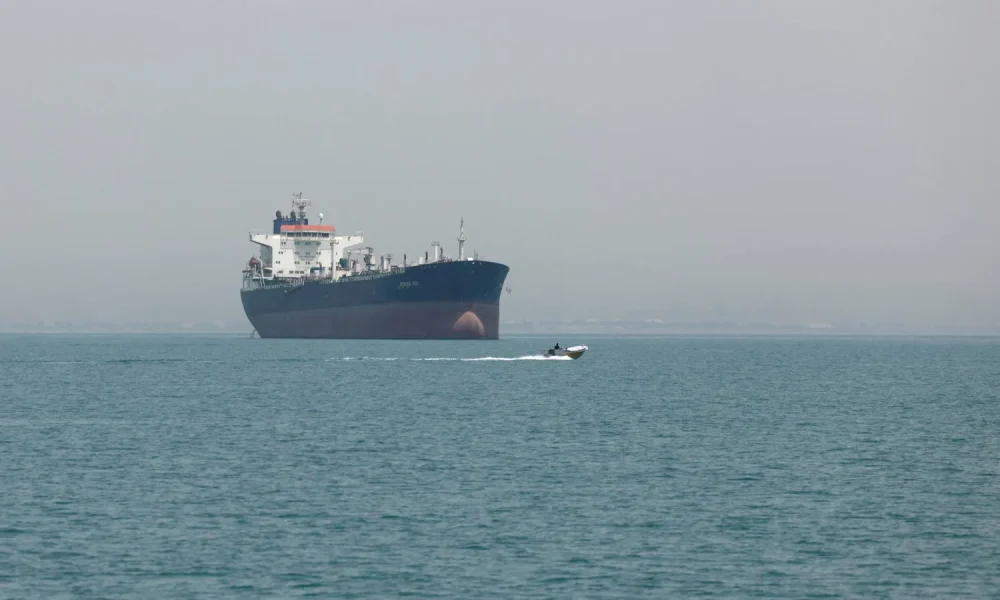
New attacks on vessels in the Strait of Hormuz and on Saudi energy infrastructure have renewed concerns over global oil supply, after a projectile struck a ship in the strait and drone attacks knocked out the kingdom’s key east-west pipeline.
Quick Skim
The latest incidents come after months of disruption across Middle Eastern shipping routes and have raised concerns that additional energy supplies could be lost if the Saudi pipeline remains offline for an extended period.
Vessel Struck in Strait of Hormuz
The UK Maritime Trade Operations agency said a vessel travelling through the Strait of Hormuz was hit by a projectile, causing a fire and forcing its crew to evacuate.
Iran separately reported that an Iranian commercial vessel had been struck off its coast, leaving one person dead and four crew members injured.
The attacks add another layer of risk for ships using one of the world’s most important energy corridors, where traffic has already been heavily disrupted by the wider regional conflict.
Saudi East-West Pipeline Knocked Offline
Saudi Arabia is also dealing with damage to its 1,200-kilometre east-west oil pipeline, which was knocked out by drone strikes.
The pipeline runs across the Arabian Peninsula and provides Saudi Arabia with an alternative route for exporting crude through the Red Sea without relying on the Strait of Hormuz.
Its loss is particularly significant because it has become one of the main pieces of infrastructure used to bypass shipping disruption in the Gulf.
Saudi Oil Reserves Could Cover Only Days
Oil traders and Saudi buyers told Reuters that the kingdom has enough crude stored at its Yanbu Red Sea export terminal for around five to seven days if the pipeline remains shut.
After that, as much as 4% of global oil supply could be at risk, in addition to the volumes already affected by reduced traffic through Hormuz.
Saudi Arabia has not disclosed the full extent of damage to the pipeline or how long repairs could take, with estimates ranging from several days to multiple weeks.
Red Sea Route Faces Additional Pressure
The disruption is being compounded by renewed fighting around the Red Sea.
Houthi forces have captured Perim Island, located in the Bab el-Mandeb strait at the entrance to the Red Sea.
The location is strategically important because vessels using the Red Sea and Suez Canal must pass through Bab el-Mandeb.
That means both major Middle Eastern maritime chokepoints — Hormuz in the Gulf and Bab el-Mandeb in the Red Sea — are now facing increased security risks at the same time.
Oil and Diesel Prices Rise
Oil markets had already moved sharply higher before the latest attacks.
Crude prices climbed above US$100 per barrel during the previous week for the first time since July, while US retail diesel prices rose above US$6.20 per gallon, reaching another record.
Further disruption to Saudi exports could place additional pressure on crude and refined-product markets when trading resumes.
For shipping companies, higher energy prices also feed directly into bunker costs and operating expenses.
Alternative Export Routes Become Critical
The latest attacks highlight the growing importance of infrastructure designed to bypass vulnerable maritime chokepoints.
Saudi Arabia’s east-west pipeline and Red Sea export terminals had provided a critical alternative to Hormuz during earlier disruptions.
With that route now temporarily offline, the resilience of regional energy supply chains is being tested again.
For oil producers and shipping companies, the risk is no longer concentrated on a single corridor. Disruption across both the Gulf and Red Sea is increasing the importance of alternative pipelines, storage facilities, export terminals and route diversification.
Energy Supply Risk Returns to Centre Stage
The latest incidents show how quickly geopolitical disruption can translate into operational and supply-chain risk for the energy and maritime sectors.
A prolonged Saudi pipeline outage, combined with reduced vessel traffic through Hormuz and rising security risks around Bab el-Mandeb, could further tighten global oil supply and increase shipping costs.
For industrial users and logistics operators, the immediate concern will be whether the disruption remains temporary or develops into a broader constraint on energy availability and maritime trade.