
Siemens CEO Urges Gradual AI Adoption for Smaller Manufacturers in Asia-Pacific
Siemens CEO Roland Busch emphasises stepwise AI integration and industrial know-how to support smaller manufacturers across Asia-Pacific.

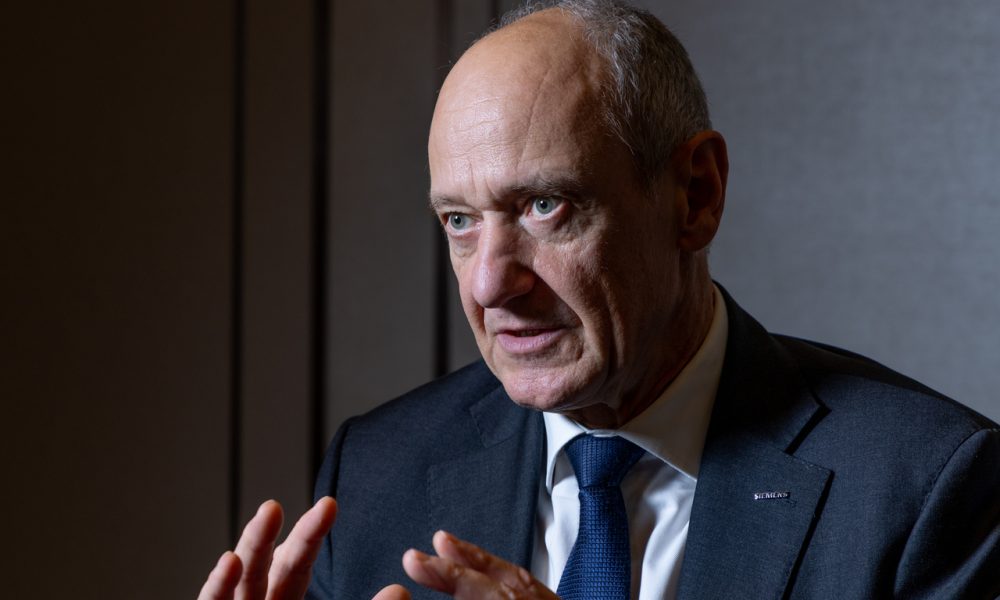
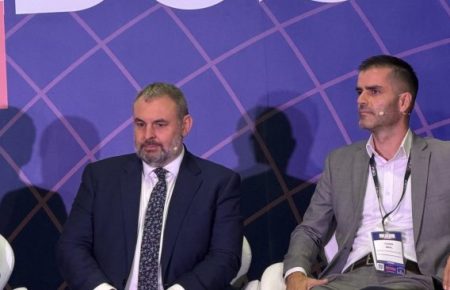
Siemens president and CEO Roland Busch outlined a phased approach to integrating artificial intelligence (AI) in smaller manufacturing firms during the Asia-Pacific Conference of German Business 2026 in Seoul, emphasising practical adoption and industrial data training to enhance factory operations.
Quick Skim
Stepwise Adoption Tailored to Smaller Manufacturers
Busch noted the persistent gap between existing industrial AI technologies and the capabilities of smaller manufacturers, many of which operate with little automation. He recommended companies define their own digitalisation goals and pursue achievable milestones over periods of six months to a year.
Investing in foundational digital infrastructure, including data management and design tools, is critical even without immediate returns, Busch said. Siemens offers digital training and, in selected cases, financing support aimed at improving productivity and equipment maintenance reliability.
Industrial Expertise and Korean Partnerships
Highlighting the limitations of general-purpose AI models in manufacturing, Busch stressed the necessity of specialised training on industrial datasets to produce viable designs for production. He welcomed the Korean government’s M.AX initiative, which targets manufacturing AI applications aligned with Korea’s industrial strengths.
Busch cited Siemens’ collaborations with Korean firms such as Samsung, SK hynix, HD Hyundai and Hyundai Motor, combining Siemens’ technology with local engineering expertise. The use of digital twins in shipbuilding exemplifies AI-enabled design and simulation advantages.
Implications for Industrial Operations
According to Busch, AI adoption in manufacturing can accelerate product development cycles and improve predictive maintenance, potentially preventing costly equipment downtime. This incremental approach also supports workforce transitions by shifting workers from routine tasks to AI-augmented roles, requiring investments in training and education.
Busch anticipates sustained industrial AI demand through 2030, contingent on practical applications transitioning from AI model training to operational deployment, which may influence hardware requirements and energy consumption in manufacturing environments.
Future developments to monitor include how industrial AI models evolve to meet specific operational challenges and the expansion of Korean-German partnerships to optimise AI-driven manufacturing in the region.