




Some Manufacturers Return to China as ‘China Plus One’ Supply Chains Face Limits
Some companies that shifted production out of China to reduce exposure to US tariffs are bringing orders and manufacturing back, after encountering higher costs, production constraints and difficulty...

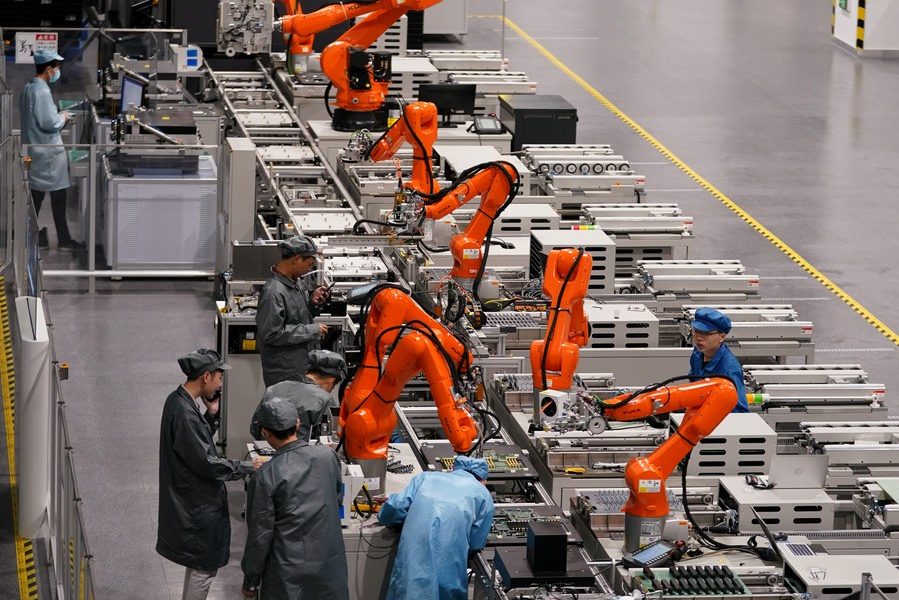
Some companies that shifted production out of China to reduce exposure to US tariffs are bringing orders and manufacturing back, after encountering higher costs, production constraints and difficulty replicating China’s established supplier networks and skilled workforce.
Quick Skim
The reversals do not signal an end to supply-chain diversification, with India, Vietnam, Indonesia and other Southeast Asian manufacturing hubs continuing to attract investment. But they highlight the operational challenges companies face when moving production away from one of the world’s most integrated manufacturing ecosystems.
Dawang Metals Sees Customer Return From India
China-based metal casting company Dawang Metals lost part of a major US customer’s business last year after the agricultural machinery producer shifted orders to India.
The customer has since returned with new orders after encountering production problems there, according to Dawang vice-president Heather Kuang.
Dawang itself considered establishing production overseas but abandoned the plan after assessing the operational requirements.
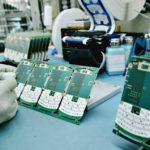
The experience reflects a wider challenge for manufacturers attempting to recreate China’s combination of specialised suppliers, production equipment, skilled workers and industrial infrastructure elsewhere.
Vietnam Workshop Moves Production Back to China
Outdoor furniture exporter Jin Chaofeng provides another example.
He opened a workshop in Ho Chi Minh City in 2024 but shut the facility and moved production back to China this year after struggling to source equipment and even relatively basic components locally.
Items including screws and moulds still had to be imported from China.
Once those supply-chain and operating costs were included, Jin said the overall cost difference between producing in Vietnam and China became much smaller.
Target Restores Some Chinese Orders
US retailer Target has also moved some orders back to Chinese suppliers, according to Reuters sources familiar with the company’s supply chain.
The shift followed production constraints and supply-chain disruptions elsewhere, although the value and duration of the restored orders were not disclosed.
Meanwhile, fast-fashion company Shein is reportedly scaling back some operations in Vietnam.
Neither company commented to Reuters on the reported changes.
Tariff Advantage Narrows
Tariffs were one of the main factors encouraging manufacturers to establish production outside China.
Economist Intelligence Unit estimates cited by Reuters put China’s effective US tariff rate at around 20%, compared with 6.1% for Vietnam, 13.4% for Indonesia and 4.5% for Thailand.
However, the advantage of alternative manufacturing locations has narrowed as Washington extended tariffs across a wider range of countries.
For companies, this means decisions can no longer be based on tariff rates alone. Logistics, local supplier availability, production reliability and infrastructure are increasingly affecting the total cost of manufacturing.
Power Reliability Becomes a Bigger Factor
Reliable electricity is also becoming more important in manufacturing-location decisions.
Recent geopolitical and energy disruptions have highlighted differences in power-system resilience between production markets.
Polish packaging company DST Pack, for example, continues to source around 80% of its production from a factory in Shenzhen, while maintaining smaller backup operations in the US and Europe. Those alternatives cost two to three times more per unit, according to CEO Stanislaw Krykun.
The company considered Southeast Asian alternatives but remained with its established Chinese production network after assessing operational and export challenges elsewhere.
China Plus One Strategy Remains, but Gets More Selective
Companies are still expanding manufacturing across Southeast Asia, particularly in electronics, automotive and other industrial sectors.
However, the experience of companies returning some production to China suggests that “China Plus One” strategies are becoming more selective rather than simply shifting manufacturing wholesale from one country to another.
Manufacturers increasingly need to evaluate the complete production ecosystem: supplier depth, workforce capability, energy reliability, logistics, equipment availability and operating costs.
For China, the trend demonstrates that its manufacturing competitiveness continues to depend not only on cost, but also on the scale and maturity of the industrial infrastructure surrounding its factories.