






Singapore Factory Activity Expands for 12th Month as AI Demand Supports Electronics Growth
Singapore’s manufacturing sector expanded for a 12th consecutive month in July 2026, supported by strong AI-related semiconductor demand, even as worsening supply chain disruptions pushed up input...

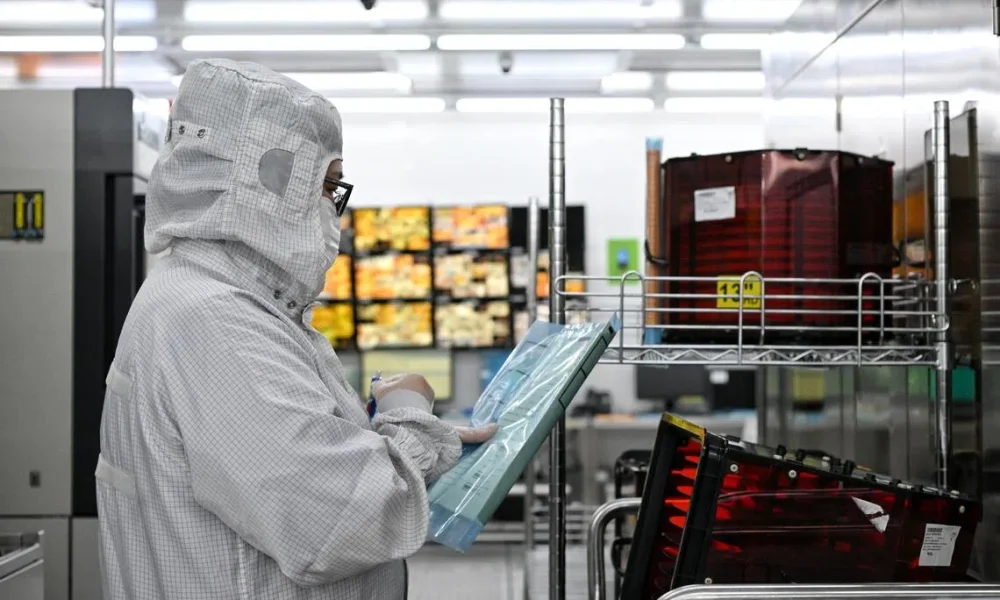
Singapore’s manufacturing sector expanded for a 12th consecutive month in July 2026, supported by strong AI-related semiconductor demand, even as worsening supply chain disruptions pushed up input costs and extended delivery times.
Quick Skim
Singapore’s Purchasing Managers’ Index (PMI) rose to 51.4 in July from 51.3 in June, remaining above the 50-point level that indicates expansion. The improvement was driven by stronger growth in new orders, exports, input purchases and employment.
The Singapore Institute of Purchasing and Materials Management said the manufacturing sector continues to benefit from the AI-driven semiconductor cycle, which is supporting demand and employment across the industry.
Electronics Sector Extends Growth
Singapore’s electronics sector, which accounts for around 40% of the country’s manufacturing output, recorded stronger growth during the month.
The electronics PMI increased by 0.2 point to 52.4 in July, marking the sector’s 14th consecutive month of expansion.
Growth was supported by increases in new orders, exports, factory output, input purchases and employment.
Demand for semiconductors continues to be supported by global investment in artificial intelligence infrastructure, particularly as technology companies increase spending on high-performance computing.
Major hyperscalers including Amazon, Alphabet, Microsoft and Meta are expected to spend more than US$700 billion on AI-related investment in 2026, supporting demand for components including high-bandwidth memory and DRAM chips.
Supply Constraints Become the Main Challenge
While demand remains strong, manufacturers are facing increasing pressure from supply chain disruptions.
Singapore’s supplier deliveries index fell to 47.8 in July from 48.3 in June, marking the seventh consecutive month of contraction and indicating longer delivery times.
The deterioration has been linked to renewed tensions in the Middle East and disruptions around major shipping routes.
Cargo shipments have faced potential diversions away from routes involving the Suez Canal and Bab el-Mandeb Strait towards the longer Cape of Good Hope route, increasing logistics complexity and delivery times.
Energy and Logistics Costs Rise
The Middle East conflict has also affected energy and transportation costs.
The Strait of Hormuz remains an important shipping route for global oil and gas supplies, meaning disruptions in the region can affect energy prices, petrochemical feedstocks, logistics and insurance costs.
Singapore’s input prices index increased as energy prices rose across products including Brent crude, jet fuel and very low sulphur fuel oil used by cargo vessels.
These pressures are adding another challenge for manufacturers already dealing with longer supplier lead times.
Semiconductor Demand Continues to Outpace Supply
Strong AI-related demand has also contributed to tighter semiconductor supply conditions.
The finished goods index for Singapore’s electronics sector fell from 49.6 in June to 49.3 in July, marking the third consecutive month of contraction as inventories were drawn down to meet stronger orders.
Economists cited in the report said the current manufacturing environment is increasingly being shaped by supply constraints rather than weak demand.
Semiconductor demand is expected to remain supported by continued investment in AI infrastructure, provided manufacturers can expand production capacity sufficiently.
Manufacturing Outlook Remains Positive
Despite supply chain pressures, manufacturers remain confident about the outlook.
Singapore’s future business index remained in expansion territory, while economists expect manufacturing activity to remain resilient through the third quarter and across 2026.
A new 12.5% US tariff on a range of economies, including Singapore, represents another potential challenge. However, semiconductors are currently excluded, limiting the immediate impact on one of the country’s main manufacturing growth drivers.
For Singapore manufacturers, the near-term outlook remains supported by strong electronics and AI-related demand, while supply availability, logistics disruption and rising input costs remain the key operational risks.