






China Moves Up Industrial Value Chain as Robots and EVs Drive High-Value Exports
China’s exports are increasingly shifting towards higher-value manufactured products, with robots, electric vehicles and advanced industrial equipment becoming stronger contributors to overseas...

China’s exports are increasingly shifting towards higher-value manufactured products, with robots, electric vehicles and advanced industrial equipment becoming stronger contributors to overseas trade.
Quick Skim
June 2026 trade data showed continued growth in advanced manufacturing exports as China strengthens its position in global industrial supply chains and expands beyond traditional lower-value manufacturing.
Robot Exports Continue to Expand
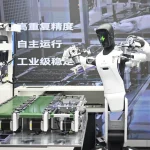
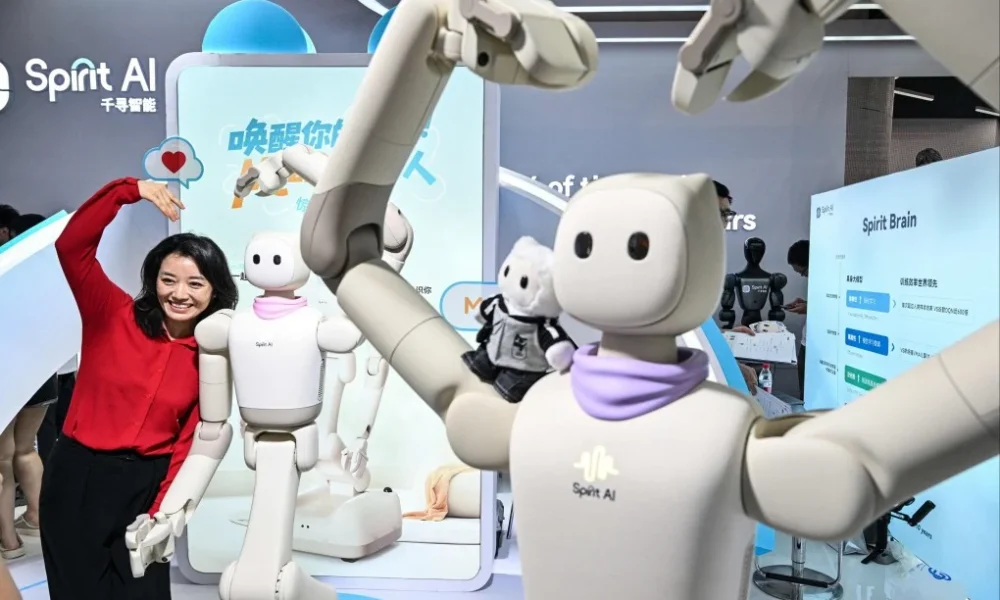
Robotics is becoming one of the clearest examples of China’s move towards higher-value manufacturing.
China’s quadruped robot manufacturers now account for nearly 70% of global sales, while domestic companies have developed more than 400 humanoid robot models, representing more than half of the global total, according to China’s Ministry of Industry and Information Technology.
Robot exports — covering industrial, cleaning, surgical and bionic robots — reached nearly US$600 million in June 2026.
More than 40% of these exports were shipped to the European Union, while around 8% went to the United States.
The figures reflect China’s growing manufacturing capabilities across robotics hardware, components and automation technologies.
EV Exports Gain International Market Share
Electric vehicles are another major contributor to China’s higher-value export growth.
Exports of plug-in hybrid vehicles doubled in volume, while shipments to the European Union tripled, making the bloc the largest overseas market for Chinese vehicles.
The growth comes as Chinese manufacturers continue expanding internationally and increasing production across electric vehicles, battery systems and related automotive technologies.
China’s established supply chains for batteries, electronics and vehicle components have helped manufacturers increase production scale while competing across international markets.
Advanced Equipment Drives Industrial Export Growth
The shift extends beyond robotics and electric vehicles.
Equipment manufacturing accounted for nearly half of China’s industrial export growth during the first half of 2026, according to MIIT.
This indicates that more technologically advanced industrial products are becoming an increasingly important part of China’s export structure.
Manufacturing equipment, robotics and other high-value industrial products are also benefiting from continued investment in automation and advanced production capabilities across the country.
China’s high-tech exports had already shown strong momentum in 2025, when exports of specialised equipment increased 20.6%, high-end machine tools rose 21.5%, and industrial robot exports grew 48.7%.
Manufacturing Shifts Towards Higher-Value Production
China has long been a major global manufacturing centre, but its industrial strategy is increasingly focused on moving further into higher-value areas of production.
Robotics, electric vehicles, semiconductor equipment and advanced machinery require greater engineering, research and manufacturing capabilities than many traditional export industries.
The growing contribution of these products to overseas trade reflects the continued development of China’s advanced manufacturing ecosystem.
Industrial robot exports also surpassed imports for the first time in 2025, providing another indication of growing domestic manufacturing capability and international competitiveness.
Advanced Manufacturing Strengthens China’s Export Position
China’s June export figures show how the country’s manufacturing base is changing as higher-value technologies take a larger role in industrial growth.
Robots, electric vehicles and advanced equipment are increasingly being exported to major markets including Europe and the United States, while equipment manufacturing is contributing a larger share of overall industrial export expansion.
As investment in automation, robotics and advanced manufacturing continues, these sectors are likely to remain important to China’s efforts to move further up the global industrial value chain.