





Port of Tokyo Expands Oi Terminal with Capacity and Sustainability Upgrades
Tokyo's Oi Container Terminal will be redeveloped to accommodate ultra-large vessels, enhancing capacity and sustainability by fiscal 2035.

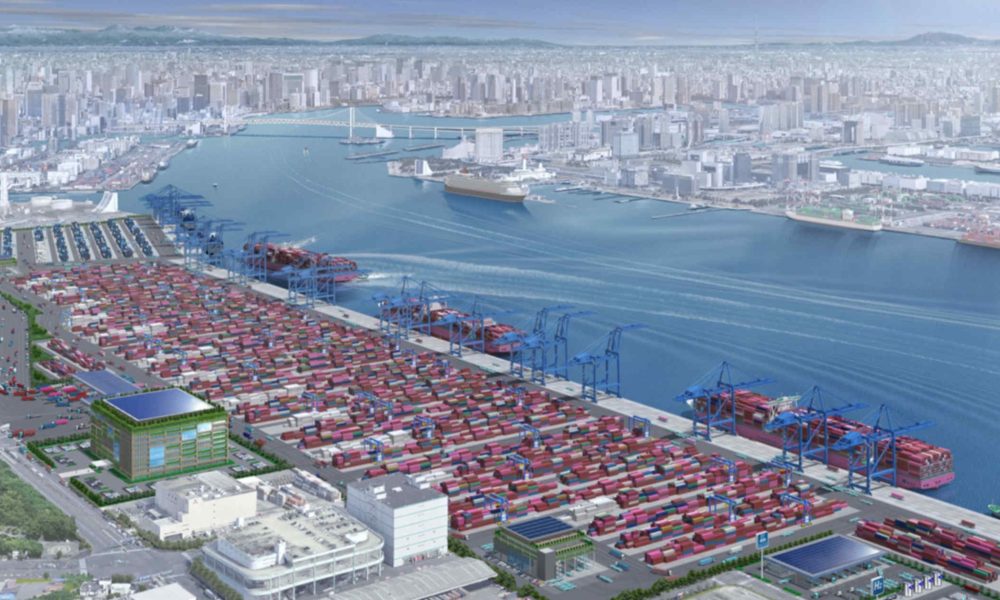
The Port of Tokyo has announced redevelopment plans for its Oi Container Terminal to accommodate ultra-large vessels and enhance logistics capacity and sustainability, aligning with regional port expansion trends.
Quick Skim
Oi Terminal Redevelopment Targets Ultra-Large Vessels
The Tokyo Metropolitan Government is undertaking a major upgrade of the Oi Container Terminal, the port’s core shipping facility. The project aims to expand the terminal’s capacity and reconfigure berths to handle the latest generation of ultra-large container ships. This redevelopment is expected to support increased trade volumes and improve competitiveness in the Asia-Pacific maritime sector.
Capacity Boost and Infrastructure Modernisation
Details from the government indicate the redevelopment will increase the terminal’s throughput capacity substantially, although specific figures have not been released. These enhancements include deepening berths, extending quaysides, and modernising cargo handling systems to optimise operational efficiency for larger vessels.
Sustainability Improvements Included
The project incorporates environmental upgrades consistent with global port decarbonisation efforts. Measures cited involve adopting energy-efficient equipment, improving shore power facilities to reduce emissions while ships are docked, and upgrading waste management practices. This reflects a broader regional shift towards greener maritime infrastructure, seen in neighbouring hubs such as Singapore and Busan.
Regional Port Expansion Context
The Port of Tokyo’s expansion echoes similar developments in other major Asia-Pacific ports. Singapore’s container terminals have recently been upgraded to handle ultra-large vessels and improve sustainability, while Busan has invested in green technologies alongside capacity expansion. These enhancements enable ports to remain competitive amidst evolving global supply chain demands and stricter environmental regulations.
Implications for Industrial Operations
This redevelopment is expected to have several impacts on maritime logistics and related industrial sectors in Japan and the wider Asia-Pacific region. Upgraded facilities will facilitate the accommodation of larger vessel classes, reducing shipping costs through economies of scale. Improved sustainability measures contribute to corporate and governmental decarbonisation targets. Enhanced operational efficiency may also streamline supply chain flows and potentially reduce turnaround times.
From a workforce perspective, the modernised infrastructure is likely to require updated training and skillsets for port personnel to operate new systems and equipment safely and efficiently. Such upgrades also promise to reinforce safety standards through modernised operational procedures and technologies.
Future Outlook and Developments to Monitor
The Oi Container Terminal redevelopment is planned for completion by fiscal 2035. Progress in implementation will be closely watched, particularly how effectively the new infrastructure integrates with regional supply chains and contributes to sustainability objectives. Additionally, the upgrade’s role in positioning the Port of Tokyo within global shipping networks as vessel sizes continue to increase will be of interest to industry observers and stakeholders.