

Japanese Manufacturers Expand in Vietnam Amid Korean Competitive Lead
Japanese firms increase factory presence in Vietnam’s industrial parks despite strong competition from Korean companies and rising demand in local markets.

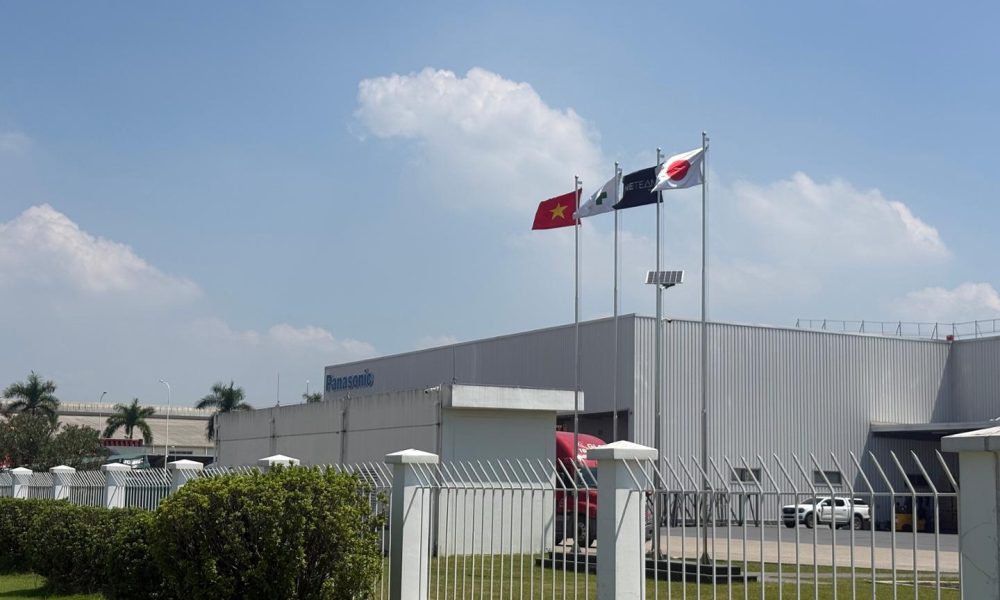
Japanese manufacturers have expanded their operations across Vietnam’s northern and central regions, notably within industrial parks developed by Sumitomo Corp., as the country increasingly attracts foreign investments despite robust competition from Korean firms.
Quick Skim
Japanese Industrial Parks Expand Capacity in Vietnam
Thang Long Industrial Park near Hanoi, developed by Sumitomo Corp., hosts over 100 Japanese companies, including Panasonic, Canon and Fujitsu, employing approximately 60,000 local workers. The park has reached full capacity, prompting development of new facilities such as Thang Long 2 in Hung Yen Province, Thang Long 3 in Vinh Phuc Province, and the upcoming Thang Long 4 scheduled to open in 2027.
Japanese manufacturers continue to increase investment in Vietnam; for example, Toyota announced an additional $283.7 million investment in its Phu Tho Province plant to produce hybrid vehicles. Murata Manufacturing expanded production lines near Ho Chi Minh City for electronic components.
Vietnamese Workforce and Community Infrastructure Adapt
Japanese firms are noted for employee retention, with many workers staying over ten years, despite some Korean and Chinese competitors offering higher wages. Dormitory complexes and supporting facilities such as supermarkets and language schools have developed in residential areas like Kim Chung village to accommodate the workforce.
Japanese Brands Gain Market Presence
Retail brands such as Uniqlo have expanded rapidly in Vietnam, operating 32 stores nationwide and planning to add more. Consumer surveys indicate strong local confidence in Japanese products, with 59 percent expressing very positive views, reflecting perceptions of quality and reliability.
Japan Seeks to Narrow Gap with Korean Investors
Despite Japan’s long-standing development assistance and early commercial presence, Korean companies now outnumber Japanese firms in Vietnam by over threefold, with about 9,000 Korean firms compared to 2,500 Japanese. Japan aims to increase bilateral trade to $60 billion by 2030, a target below Korea’s current and projected trade volumes.
According to Kim Hyung-mo, head of the Korean Chamber of Commerce and Industry in Vietnam, Japan’s cautious investment approach contrasts with Korea’s rapid expansion, and accelerated efforts will be necessary for Japan to remain competitive in Vietnam’s dynamic market.
Going forward, the pace at which Japan implements its renewed investment strategies and expands manufacturing capacity will be critical to its standing in Vietnam’s industrial and consumer sectors.