
South Korea Commits $1 Billion to AI Integration in Shipbuilding Industry by 2030
South Korea will invest over $1 billion in AI projects across key shipbuilding regions to advance automation and smart shipyards by 2030.

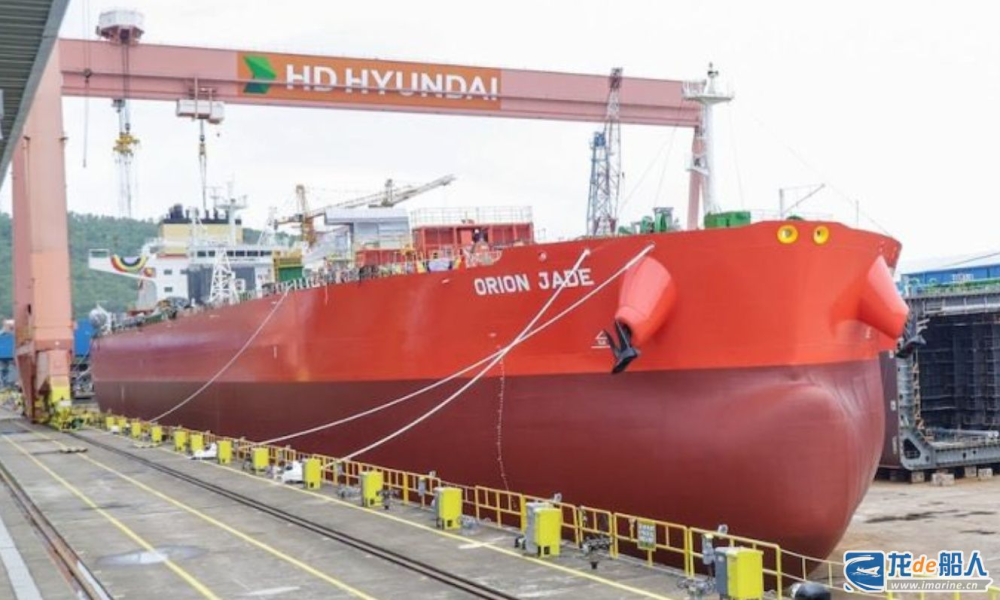
South Korea’s Ministry of Trade, Industry and Energy (MOTIE) and the Ministry of Oceans and Fisheries announced an investment exceeding $1.06 billion to integrate artificial intelligence into the shipbuilding sector, targeting automated production and smart shipyard operations by 2030. The initiative comprises three regional projects involving major manufacturers and smaller enterprises.
Three Regional AI Projects Focus on Production, Design and Logistics
The largest component, with $447 million allocated, is centred in Mokpo and Yeongam. Led by HD Hyundai Samho, this project will develop AI-driven steel section assembly processes and an autonomous logistics system under HD KSOE’s oversight. The initiative will extend AI applications to nine local ship equipment suppliers. HD Hyundai Samho has also agreed to invest $300 million in building an AI-operated demonstration shipyard in Yeongam through a memorandum of understanding with Daea Industry.
The second project, with $375 million funding, involves Samsung Heavy Industries and Hanwha Ocean working across Geoje and Busan. They will create an AI-based design and production information platform allowing standardised data input for marine equipment manufacturing processes such as piping, electrical installations and hull outfitting.
The third project addresses shipbuilding capacity restoration in Gunsan with an investment of $233 million. JE Ocean Heavy Industries aims to establish an AI-supported small-section production line alongside a dedicated 5G network for industrial data collection, supported by a partnership with 5G network provider Ucast.
Implications for Shipbuilding Operations and Industry
The deployment of AI for automated assembly and logistics systems, combined with standardised manufacturing data platforms, is intended to enhance operational efficiency and productivity across South Korea’s shipyards. The integration of 5G connectivity enables real-time data collection crucial for precision and coordination in production processes. The involvement of both large and medium-sized manufacturers highlights a broad-based approach to digital transformation.
Alongside this investment, South Korea has released a 10-year roadmap to develop autonomous vessels targeting International Maritime Organization Level 4 standards by 2035. This includes research, expanded vessel trials and contributing to international regulatory frameworks. The combined efforts aim to position South Korea at the forefront of digital and automated maritime industries within the Asia-Pacific region.
Future developments will focus on the successful implementation of AI applications in production environments and progress in autonomous navigation technologies, with ongoing collaboration between government agencies and industry stakeholders.