Vietnam Advances Maritime Industry with Plan for Modern, Green Ecosystem
Vietnam issues plan to develop a modern maritime and marine engineering industry, focusing on capacity building, finance, and industrial clusters by 2035.

Vietnam’s government has issued a plan to develop a modern, green, digital, and self-reliant marine and marine engineering industrial ecosystem, aiming to create a foundation for a competitive and integrated maritime industry.
Quick Skim
National Plan Sets Comprehensive Industry Development Framework
The plan follows the Central Party Office’s Notice No. 125-TB/VPTW dated 18 July 2026, and sets out 10 key tasks and solutions to guide ministries, sectors, and enterprises in implementing the national maritime strategy. These tasks include promoting the policy, developing a national programme to 2035 with a 2050 vision, enhancing institutional frameworks, and fostering international cooperation.
The programme prioritises addressing bottlenecks in institutional mechanisms, market organisation, science and technology, human resources, and financing to improve industry competitiveness and self-reliance.
Capacity Review and Financial Mechanisms Target Industry Advancement
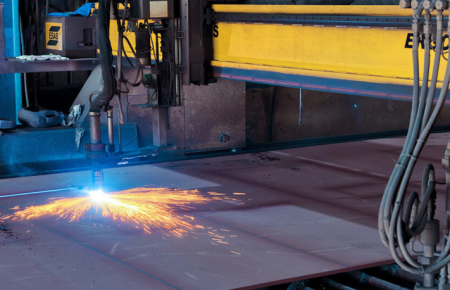
A comprehensive review will assess current capabilities across designing, building, repairing, and modifying vessels, plus infrastructure, technology, and human capital. The results will identify strategic assets and inform policies to improve resource use and avoid overlapping investments.
The plan emphasises improving finance, credit, guarantee, and insurance mechanisms tailored to the maritime industry’s characteristics, especially for capital-intensive shipbuilding contracts with long timelines and associated risks. It calls for developing mechanisms that align support with enterprise capacity, project effectiveness, and contribution to national industrial capacity.
Formation of Maritime Industrial Centres and Clusters
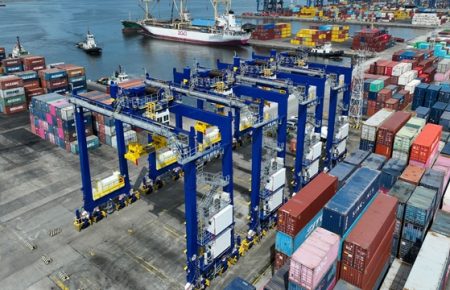
Key maritime and marine engineering centres will be established based on geographic and resource advantages to ensure efficient resource utilisation and coordination. Specialisation and clustering aim to avoid scattered investments and encourage integration with seaports, logistics, and supporting industries.
The centres will promote technologies focused on resource efficiency, emissions reduction, and comply with labour, safety, environmental, and international sustainability standards.
Implications for Industrial Operations in Asia-Pacific
Vietnam’s systematic approach to enhancing maritime industrial capacity and financing mechanisms aims to boost supply chain resilience and technological advancement within the sector. Establishing well-coordinated clusters is likely to improve production efficiency and integration in the regional maritime network, with potential benefits for workforce development and safety standards.
According to the government plan, progress should facilitate Vietnam’s participation in global value chains, supporting long-term industrial sustainability and competitiveness.
Further developments will focus on the implementation of the 2035 national programme, institutional reforms, and expanding industrial clusters to realise the outlined goals.