


Singapore Highlights Cybersecurity and Safety Risks From Emerging Maritime Technologies
Singapore’s Minister for Law cautions at the UN about dual-use maritime technologies, urging safeguards against cyberattacks and weaponisation.

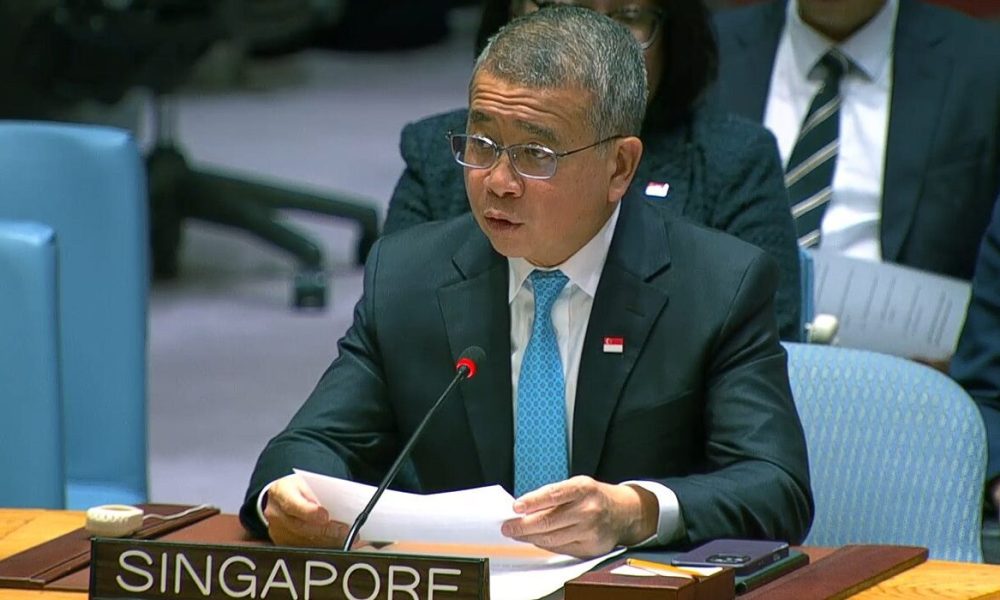
Singapore’s Minister for Law, Edwin Tong, warned at the United Nations Security Council on 29 October about the dual-use risks posed by emerging maritime technologies such as artificial intelligence (AI), drones, and autonomous ships, emphasising the need for safeguards to protect maritime safety and security.
Dual-Use Technologies Create Opportunities and Threats
Tong outlined that AI can improve navigation, communications, and early warning systems in maritime operations. However, he also noted that drones and autonomous vessels could be misused to disrupt the safe passage of ships. He referred to recent attacks on civilian vessels as indicators of growing maritime security threats.
Speaking on behalf of Singapore, Fiji, Malta and Jamaica, Tong highlighted the shared interests of these small maritime nations, noting their contribution to the United Nations Convention on the Law of the Sea (UNCLOS).
Need for Accountability and International Cooperation
Tong stressed that while emerging technologies enhance maritime domain awareness, they require safeguards including accountability, transparency and human oversight. He identified the International Maritime Organization’s Maritime Autonomous Surface Ships (MASS) Code as a step towards regulating autonomous shipping, but warned against complacency.
He urged the international community to prevent the weaponisation of new technologies and protect civilian vessels from cyberattacks. Tong also called for states to reject unlawful restrictions on transit passage through international straits to preserve freedom of navigation and avoid disruptions with broad economic impacts.
According to Tong, maintaining established international maritime law and cooperative frameworks such as UNCLOS is essential to defend collective interests and ensure continued security and uninterrupted maritime trade.
Looking forward, the development and deployment of maritime technologies will require ongoing international collaboration to balance innovation with robust security measures and regulatory oversight.