

Thailand’s Biodiesel Output and Use Set to Rise 22% in 2026 on Policy Support
Thailand expects biodiesel production and consumption to increase by 22% in 2026 due to higher blending mandates and government regulation, says USDA report.


Biodiesel production and consumption in Thailand is forecast to increase by 22% in 2026 compared to 2025, driven by higher blend mandates and government subsidies, according to a US Department of Agriculture (USDA) report.
Quick Skim
Blend Rates Adjusted to Manage Supply and Prices
Thailand raised its biodiesel blending requirement from B5 to B7 in March 2026 to curb oil imports and mitigate fuel price inflation stemming from Middle Eastern conflicts. The blend rate has alternated between B5 and B10 historically, influenced by feedstock availability and market conditions.
Palm oil remains the primary feedstock for biodiesel. Export controls imposed in April 2026 on crude palm oil (CPO) aim to maintain domestic biodiesel supply, leading to increased biodiesel imports and reduced exports as domestic demand rose.
Investments and Government Targets
Reports indicate construction began on a large-scale biodiesel plant in Chonburi with an annual capacity of 300,000 tonnes. The government’s draft Alternative Energy Development Plan (AEDP) 2024-2037 targets biodiesel consumption of 900 million litres by 2037, with an ambition for renewable sources to meet 36% of energy consumption by that year.
Developments in Sustainable Aviation Fuel
Thailand introduced a sustainable aviation fuel (SAF) mandate effective 1 January 2026, starting with a 1% blend requirement using hydro-processed esters and fatty acids (HEFA) technology based on used cooking oil (UCO). The mandate envisions an increase to an 8% blend by 2036, aiming to produce around 2.22 million litres per day and reduce carbon emissions by 2.3 million tonnes annually.
Bangchak and PTT Global Chemical are currently producing SAF at commercial scale in Bangkok airports. Bangchak opened a facility with a capacity of 1 million litres per day in May 2026, while PTT GC produces approximately 16,438 litres per day. The alcohol-to-jet (AtJ) technology pathway remains under development and has not yet reached commercialisation. The USDA noted cost and feedstock supply constraints as significant challenges for SAF deployment.
Marine Fuel Blends Begin to Align with Emission Standards
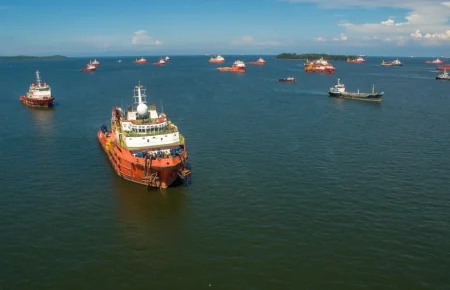
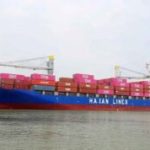
Although no domestic biofuel mandate for bunker fuel exists, companies including Bangchak and state-owned PTT Oil and Retail Business have begun distributing B24 marine fuel blends, positioning Thailand towards compliance with forthcoming international shipping emissions regulations.
Thailand’s biofuel policy adjustments and new mandates in 2026 reflect efforts to optimise renewable energy use and reduce dependence on fossil fuel imports amid global market volatility. Further developments in renewable fuels, including SAF technologies, will be critical to monitor for their impact on industrial energy consumption and emissions.