


ADB Estimates Southeast Asia Needs US$7.1 Trillion Infrastructure Investment by 2040
The Asian Development Bank forecasts Southeast Asia requires US$7.1 trillion in infrastructure funding by 2040 to support growth and connectivity.

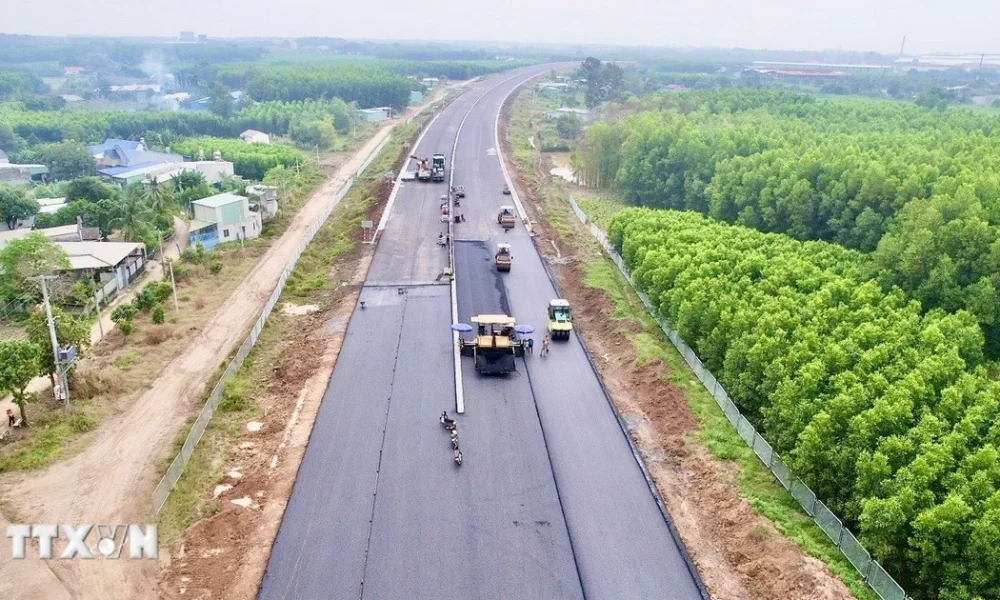
The Asian Development Bank (ADB) has estimated that Southeast Asia needs approximately US$7.1 trillion in infrastructure investment by 2040 to maintain economic growth and improve regional connectivity, according to a report released on 10 November.
Quick Skim
Investment Needs and Funding Gap
The report, titled “The $7 Trillion Challenge: Building Tomorrow’s ASEAN,” projects that infrastructure investment must average US$476 billion per year from 2026 to 2040, equating to 8.7% of the region’s GDP. Current government funding covers only about 45% of this amount, leaving an annual shortfall of around US$264 billion.
Sector Priorities for Infrastructure Development
Electricity and transportation account for the majority of projected investment needs, requiring approximately US$3.6 trillion and US$2.5 trillion respectively. Investments in the energy sector will focus on expanding generation, transmission, and storage capacities, as well as improving cross-border connections through initiatives like the ASEAN Power Grid and the Pan-Asia Power Grid Initiative launched by ADB.
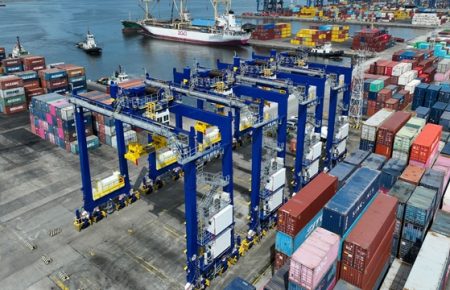
In transportation, road infrastructure will require nearly US$2 trillion, with significant capital also needed for railways and airports to support more integrated cross-border networks and reduce logistics costs.
Digital infrastructure is expected to need US$584 billion, predominantly for broadband networks and data centres, underpinning regional digital connectivity and competitiveness. The Asia-Pacific Digital Highway initiative aims to facilitate investment in essential digital backbone systems by 2035.
Healthcare infrastructure will also require substantial investment of approximately US$227 billion, including the construction of around 49,000 new health facilities mainly focused on primary care, to improve the region’s capacity for health emergencies.
Implications for Industrial and Economic Development
ADB President Masato Kanda highlighted that Southeast Asia’s economic progress is closely tied to reliable infrastructure, noting the necessity of stable power supplies for manufacturing and efficient, secure market connectivity for businesses. The ADB intends to assist governments in promoting viable infrastructure projects and fostering investor confidence to address the funding gap and support long-term development goals.
Continued infrastructure development is vital for reducing logistical and operational risks, strengthening energy security, and facilitating the region’s transition to cleaner energy sources—all factors that influence production efficiency and supply chain resilience across Southeast Asia.
ADB’s forthcoming role includes supporting strategic project planning and cross-border infrastructure integration as the region advances towards these investment objectives.