
Ho Chi Minh City Plans Asian Maritime Logistics Hub by 2045
Ho Chi Minh City has unveiled a plan targeting development as a major maritime logistics centre by 2045, emphasising infrastructure, environment and digital advances.

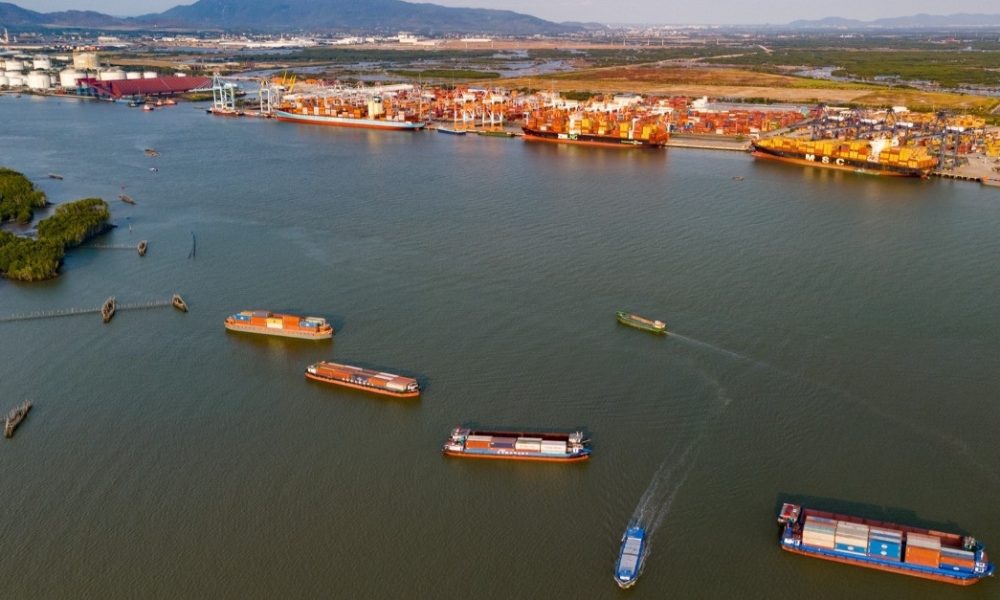
Ho Chi Minh City has introduced a detailed action plan to develop its marine economy, with the objective of establishing the city as a leading maritime logistics hub in Asia by 2045. The plan aligns with national and municipal policies on sustainable marine economic development and seeks to leverage the city’s strategic location following administrative restructuring.
Quick Skim
Focus on Can Gio Port to Expand Maritime Capacity
The city aims to become a modern, green, and internationally competitive maritime centre by 2030. Key sectors identified for development include shipping, logistics, trade, finance, coastal tourism, marine science and technology, and innovation.
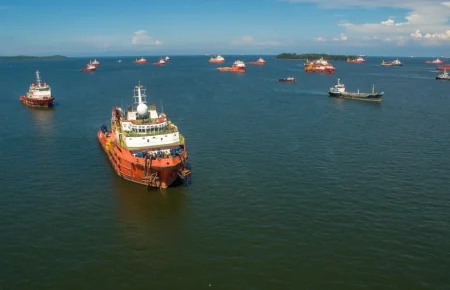
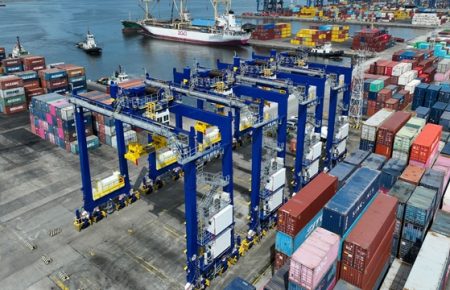
Central to this strategy is the development of the Can Gio International Transshipment Port, designed to operate in conjunction with an associated free trade zone. Ho Chi Minh City also plans to enhance a maritime corridor that integrates the ports of Can Gio, Cai Mep, Thi Vai, and Con Dao, facilitating logistical and operational connectivity within the marine economy.
Economic and Environmental Targets Set for 2030
The plan sets specific targets for economic growth and environmental sustainability to be achieved by 2030. Revenue from coastal and island tourism is projected to increase at an average annual rate of 14%. The marine aquaculture sector aims to grow production value by an average of 8% per year, achieving a 15% share of total fisheries production value.
Investment priorities include completion of the planned coastal road network, subject to financial and implementation capacity. Environmental considerations are integral, with objectives to digitise all relevant marine data and ensure collection and treatment of 100% of coastal plastic waste.
Digital Transformation Integral to Marine Economy Development
Digitalisation efforts will cover marine resources, environmental data, infrastructure, and maritime cultural heritage. This systematic digitisation is expected to support resource management, planning, and sustainable development within the maritime sector.
Priority Actions and Two-Phase Implementation
The action plan highlights nine priority areas, including improvement of institutional frameworks, attracting strategic investors, workforce development, and national defence considerations. Implementation is structured in two phases.
From now until 2026, the focus will be on establishing policy mechanisms, finalising planning, and preparing conditions for major investments. The period from 2027 to 2030 will concentrate on accelerating infrastructure development and expanding core marine economic activities.
Implications for Industrial Operations in Asia-Pacific
According to city authorities, the development programme is expected to enhance Ho Chi Minh City’s role in regional and international logistics networks. The integrated port and free trade zone developments could optimise supply chains and shipping operations, improving efficiency and competitiveness for industries reliant on maritime logistics.
Environmental safeguards and digital management systems may contribute to safer and more sustainable operational practices, benefits that are critical given increasing regulatory and stakeholder demands on maritime industries.
Next Steps in Marine Economy Expansion
Following initial policy and planning completions in 2026, the focus will shift towards execution of large-scale infrastructure projects and sector growth. The progress of Can Gio International Port and the maritime corridor integration will be key indicators of the city’s advancement towards its 2045 aspirations as a major maritime services and logistics hub in Asia.