
Philippines Advances Strategic Petroleum Reserve to Strengthen Energy Security
The Philippines is progressing plans to establish a Strategic Petroleum Reserve to bolster energy security and mitigate oil supply disruptions.

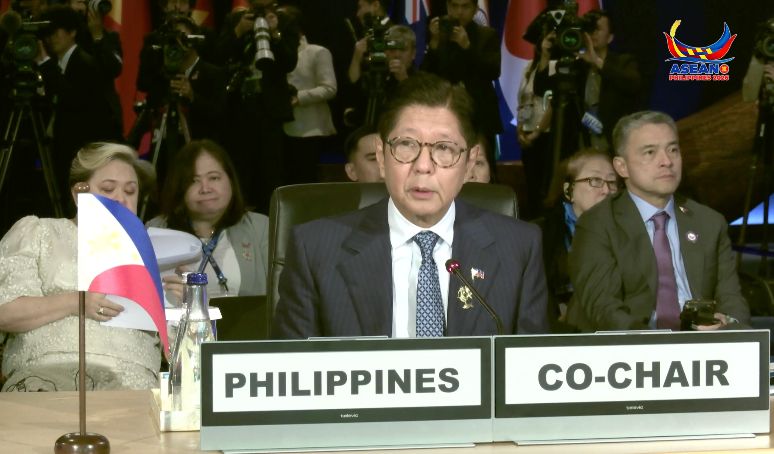
The Philippines is advancing its Strategic Petroleum Reserve initiative to enhance national energy security and prepare for potential disruptions in oil supply. President Ferdinand “Bongbong” Marcos Jr. announced the development during the 4th Asia Zero-Emission Community (AZEC) Leaders’ Meeting on 17 November.
Quick Skim
Strategic Petroleum Reserve and Regional Cooperation
Marcos highlighted the country’s prioritisation of establishing a Strategic Petroleum Reserve supported by suitable infrastructure and financing. He called for increased collaboration between oil-producing and consuming nations on oil storage arrangements to improve regional energy security.
He noted that the Philippines is open to investments across various energy sectors, including renewables, grid modernisation, energy storage, natural gas, energy efficiency, and emerging technologies.
Complementary Energy Security Measures
The President emphasised the importance of maintaining open sea lanes and transparent markets in accordance with international law to mitigate market volatility affecting both buyers and sellers of oil.
Marcos also referenced ongoing national initiatives such as an Article Implementation Agreement with Singapore and a recent carbon market policy framework designed to support green financing and regulate carbon credit trading as part of the country’s energy efficiency and climate goals.
In addition, the government is implementing a national just transition framework to ensure that shifts toward a low-carbon economy provide decent jobs, adequately prepare workers, and support communities impacted by the transition.
Implications for Regional Energy Systems
According to Marcos, energy resilience requires cooperative international effort. He stated that the Philippines’ strategic actions will contribute not only to its own stability but also to the overall security and resilience of the Asia-Pacific region’s energy systems.
Industrial Gemba previously reported on ASEAN’s attempts to mitigate supply disruptions through joint oil reserve systems in Indonesia and Thailand, indicating a regional trend towards collective energy security measures.
Going forward, attention will centre on the implementation progress of the reserve infrastructure and the development of multilateral frameworks for oil storage and energy collaboration in the region.