

PepsiCo India Expands Electric Truck Fleet to 15 as Freight Operations Grow
PepsiCo India nearly doubles electric freight trucks to 15 across three plants, increasing annual electric freight distance to 900,000 km as sustainability efforts advance.

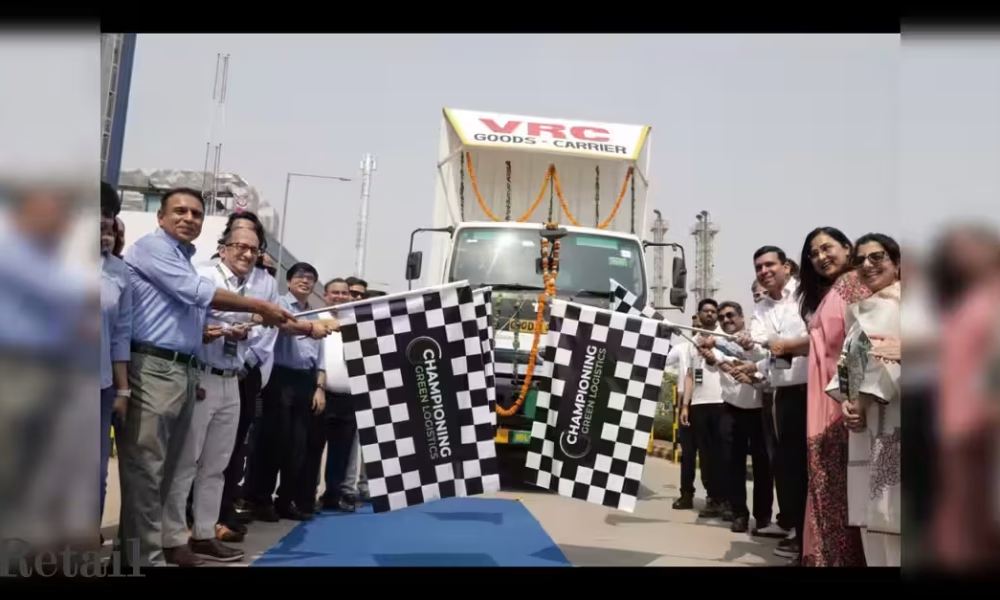
PepsiCo India has nearly doubled its electric freight truck fleet to 15 vehicles across three manufacturing plants as part of its ongoing efforts to decarbonise logistics and expand clean freight operations.
Quick Skim
- Electric Freight Fleet Expanded Across Three Locations
- Electrification Extended to Distributor-Linked Last-Mile Vehicles
- Use of Biomass Fuels in Manufacturing Operations
- Partnerships Drive Scalability and Practical Solutions
- Implications for Industrial Supply Chains and Operations
- Next Steps in PepsiCo India’s Sustainability Agenda
Electric Freight Fleet Expanded Across Three Locations
Since launching its electric freight truck initiative in March 2023 with eight retrofitted electric trucks at its Kosi plant in Uttar Pradesh, PepsiCo India has expanded operations to include its plants in Guwahati, Assam, and Pune, Maharashtra. The fleet now comprises 15 electric trucks.
This expansion has increased the annual distance covered by electric freight vehicles from 480,000 km to approximately 900,000 km.
Electrification Extended to Distributor-Linked Last-Mile Vehicles
Beyond heavy freight, PepsiCo India has electrified over 950 distributor-linked three- and four-wheeler vehicles to support cleaner last-mile transportation in its supply chain.
The move aims to reduce emissions across various freight stages, extending sustainability gains beyond plant logistics into distribution networks.
Use of Biomass Fuels in Manufacturing Operations
The company reports that biomass constitutes 97% of its fuel mix in manufacturing operations. This fuel mix supports the transition to lower-carbon production processes as part of its broader sustainability programme.
Partnerships Drive Scalability and Practical Solutions
PepsiCo India attributes progress to its “Partnership of Progress” approach, working with technology providers, logistics partners and distributors to develop and deploy electric mobility solutions at scale.
Rinkesh Satija, vice-president, Supply Chain Operations, India and South Asia, stated the transition to cleaner logistics “requires more than just adopting new technologies” and highlighted the importance of collaboration across the supply chain value chain.
Implications for Industrial Supply Chains and Operations
The electrification of heavy freight and last-mile delivery vehicles presents opportunities for reducing greenhouse gas emissions in supply chains, optimising operational efficiency, and advancing compliance with emerging environmental regulations across Asia-Pacific.
Deploying electric trucks over extensive distances—close to 900,000 km annually—demonstrates operational viability at industrial scale. Integrating renewable fuels such as biomass further complements decarbonisation efforts within manufacturing operations.
Next Steps in PepsiCo India’s Sustainability Agenda
These initiatives form part of PepsiCo India’s PepsiCo Positive (pep+) programme, which aims to embed sustainability in business and supply chain practices. The company intends to continue demonstrating the commercial and operational feasibility of green logistics solutions to encourage wider industry adoption.