

WinDC and Armada Plan US$30 Billion AI Factory Network Across Australia and New Zealand
WinDC and Armada announced a US$30 billion AI computing network in Australia and New Zealand supported by the US Government’s export initiative.

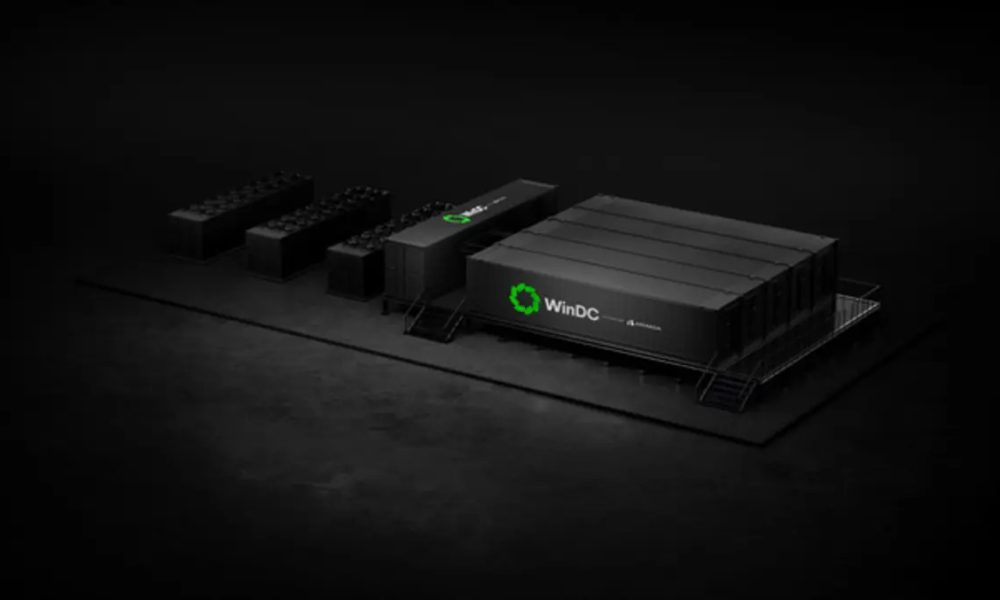
WinDC and Armada have revealed plans to establish an AI factory network worth US$30 billion throughout Australia and New Zealand, aiming to develop up to 3GW of artificial intelligence computing capacity by 2030. This initiative, backed by the US Government’s technology export programme, seeks to leverage regional energy resources and position Australia as a key player in AI infrastructure exports.
Quick Skim
Modular AI Data Centres Located Near Energy Generation Sites
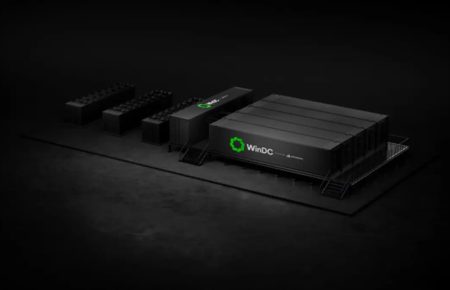
The programme involves deploying modular AI data centres close to existing renewable energy generation, primarily wind and solar facilities, rather than in conventional metropolitan data centre hubs. WinDC emphasises this approach will mitigate grid constraints and expedite construction timelines.
Armada’s Leviathan modular data centres provide up to 2MW of computing power per unit, with targeted deployment cycles of roughly 90 days where site conditions and approvals are established. These distributed units can be linked to form an extensive network spanning Australia and New Zealand in later phases, though initial deployments will focus on Australian locations.
Phased Capacity Rollout with Immediate Targets in 2027
The first stage involves an 11MW deployment across five Australian states, progressing to a 230MW rollout scheduled for 2027. The overall build aims for up to 3GW in capacity by the end of the decade, representing a total project investment exceeding US$30 billion. Most of this investment—over US$20 billion—is designated for US-manufactured Armada infrastructure.
Armada leads the American Sovereign SI Stack consortium, which includes Dell Technologies and Microsoft, integrating modular data centres with Dell’s computing and storage systems and Microsoft Azure platforms.
Leveraging Curtailment of Renewable Energy Generation
A key element of the network’s design is utilising otherwise curtailed renewable electricity. WinDC highlighted that over seven terawatt-hours of wind and solar power were curtailed across Australia’s National Electricity Market in 2025. By situating AI data centres at or near these generation sites, the project intends to absorb this excess electricity, supporting grid stability and maximising energy asset utilisation.
Positioning Australia as an AI Exporter to Indo-Pacific Markets
WinDC frames the initiative as an export-oriented AI computing service, rather than solely a domestic infrastructure project. The company highlights Western Australia’s energy resources and subsea cable connectivity as strategic advantages for serving markets in Southeast Asia, India, and the Middle East.
According to WinDC, some Southeast Asian markets with populations exceeding 500 million are within approximately 50 milliseconds of computing infrastructure located on the Australian west coast, an important consideration for latency-sensitive applications.
WinDC Chief Executive Officer Andrew Sjoquist characterised the effort as shifting Australia’s role from merely exporting raw energy resources to producing AI-generated intelligence services for global customers.
US Government Backing and Export-Focused Industrial Strategy
The project is supported under the American SI Exports Program, which provides backing through US Government advocacy, prioritised export licence processing, and access to federal financing agencies, including possible engagement with the Export-Import Bank of the United States.
Photo: DataCenterNews Asia Pacific