


HCSS Examines EU Cooperation on Indo-Pacific Undersea Infrastructure Protection
HCSS is hosting a webinar on enhancing resilience of critical undersea infrastructure in the Indo-Pacific and potential EU collaboration with South and Southeast Asia.

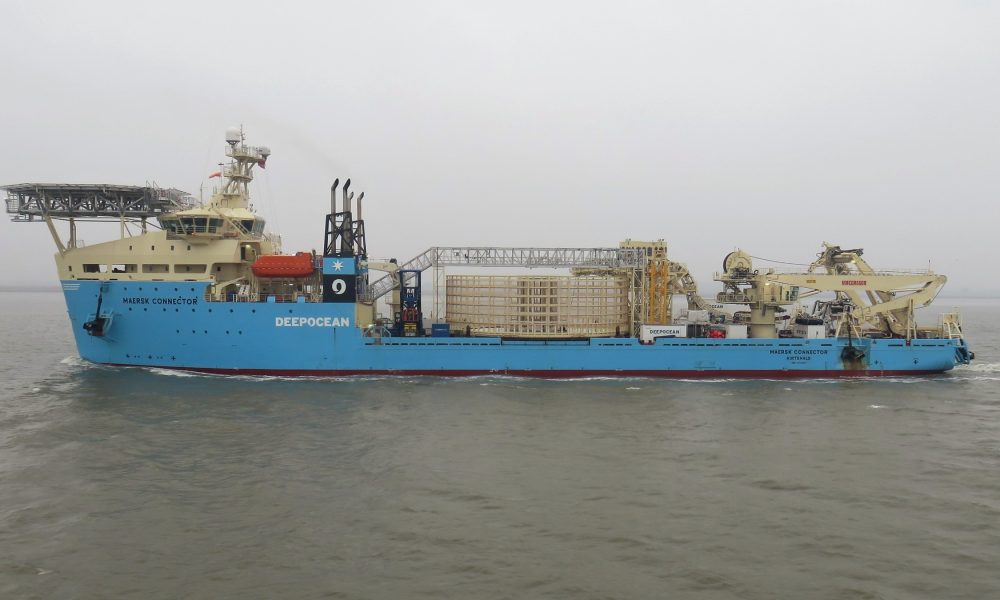 Photo: Wikimedia Commons / Ein Dahmer (CC BY-SA 4.0)
HCSS is convening a webinar to discuss strengthening the resilience and protection of critical undersea infrastructure (CUI) in the Indo-Pacific region and exploring opportunities for EU cooperation with South and Southeast Asia. The event aims to address threats to infrastructure such as submarine cables, pipelines, and offshore energy connections that are vital for regional connectivity and energy supply.
Focus on Resilience and Regional Priorities
The webinar will examine how lessons learned in CUI protection in the Indo-Pacific can inform strategies in Europe, and vice versa. Consideration will be given to adapting these approaches to the specific security environments and priorities of South and Southeast Asian countries.
Key discussions will centre around technical, operational, and policy measures to safeguard undersea infrastructure against physical damage, cyber threats and geopolitical risks. These measures are critical for maintaining uninterrupted communication, energy, and data flows in the region.
Implications for Industrial and Maritime Operations
Critical undersea infrastructure supports various industry sectors spanning telecommunications, energy production, and maritime transport. Enhancing protection mechanisms contributes to operational continuity, reduces risks to supply chains, and supports safety and maintenance protocols for offshore assets.
The event reflects ongoing international interest in securing maritime infrastructure amid evolving strategic competition in the Indo-Pacific, including increasing attention from the European Union towards security cooperation with Asia-Pacific partners.
Participants and observers should monitor developments in policy coordination, technological innovation in monitoring and repair, and the establishment of cooperative frameworks that emerge from this and subsequent dialogues.