



Malaysia Data Centre Boom Drives New Power Capacity Upcycle
Malaysia’s rapid data-centre expansion is beginning to translate into significantly higher electricity consumption, putting the country on course for a new investment cycle across power generation,...


Malaysia’s rapid data-centre expansion is beginning to translate into significantly higher electricity consumption, putting the country on course for a new investment cycle across power generation, transmission infrastructure, renewable energy and battery storage, according to MBSB Research.
Quick Skim
- Data Centres Could Reach 35% of Peninsula Demand
- 8.3GW of New Generation Planned From 2028
- Coal Retirements Add Pressure to Capacity Planning
- Renewable Energy and BESS Become More Important
- TNB Secures 8.35GW of Data Centre Demand
- Johor Accounts for Two-Thirds of Secured Capacity
- Malaysia Could Introduce ‘Bring Your Own Power’
- Data Centres Reshape Malaysia’s Power Investment Cycle
Data centres accounted for 9.28% of Malaysia’s electricity consumption by mid-August 2026, up from around 6% during the first half of the year, when the sector consumed approximately 4TWh of electricity.
Data Centres Could Reach 35% of Peninsula Demand
Malaysia’s data-centre electricity requirements are expected to increase substantially as announced projects move from construction into operation.
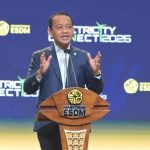
At the recent Energy Regulatory Insights 2026 event, it was reiterated that data centres could eventually account for as much as 35% of electricity demand in Peninsular Malaysia by 2035.
MBSB expects this growth to create a “power catch-up” period between 2027 and 2029, as new data-centre capacity comes online faster than firm generation can be developed.
8.3GW of New Generation Planned From 2028
Malaysia is expected to add a major wave of new power generation between 2028 and 2031.
Current indicative plans include:
- 500MW in 2028
- 4.3GW in 2029
- 1.4GW in 2030
- 2.1GW in 2031
Together, these additions would provide around 8.3GW of new generation capacity.
Economy Minister Akmal Nasrullah Mohd Nasir has said Malaysia will require around 9GW of additional gas-fired generation by 2032.
Coal Retirements Add Pressure to Capacity Planning
The new capacity will arrive as Malaysia begins retiring a significant portion of its coal-fired generation fleet.
Approximately 5.6GW of coal capacity is expected to go offline between 2028 and 2031 as existing power purchase agreements expire.
Until replacement gas plants become operational, the power system will have to rely more heavily on existing generation assets, renewable energy, battery storage and demand-management measures.
MBSB expects this to increase utilisation of efficient combined-cycle gas turbines already operating in the system.
Renewable Energy and BESS Become More Important
The rapid increase in electricity demand is also strengthening the investment case for renewable energy and battery energy storage systems.
MBSB maintained a positive outlook on Malaysia’s renewable-energy subsector, expecting sustained grid investment and faster deployment of solar, storage and flexible generation capacity during the catch-up period.
Malaysia’s Ministry of Energy Transition and Water Transformation and Energy Commission have already arranged around 4.7GW of brownfield generation extensions under NewGen25, mostly running through December 2029, together with another 150MW of capacity.
These measures are intended to bridge the period before larger new gas plants enter service.
TNB Secures 8.35GW of Data Centre Demand
Tenaga Nasional Berhad had secured 61 data-centre projects representing 8.35GW of maximum electricity demand as of June 2026.
Of these:
- 42 projects representing 5.65GW are already connected
- Actual current consumption from those projects is only around 1.26GW
- 16 projects representing 2.21GW are under construction
- Three additional projects representing 490MW have signed electricity supply agreements
The gap between connected capacity and current utilisation means electricity consumption could continue rising as completed data centres install servers and other IT equipment.
Johor Accounts for Two-Thirds of Secured Capacity
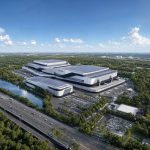
Johor remains the centre of Malaysia’s data-centre expansion.
The state accounts for 29 of TNB’s 61 secured projects, representing approximately 5.6GW, or 67%, of total contracted capacity.
The concentration makes sufficient generation and grid infrastructure particularly important as more Johor facilities progress towards full utilisation.
Malaysia Could Introduce ‘Bring Your Own Power’
MBSB also raised the possibility that Malaysia could eventually introduce a Bring Your Own Power (BYOP) requirement for large data centres.
Under such a framework, hyperscalers and AI data-centre developers could be required to demonstrate where their electricity will come from and how the required infrastructure will be delivered.
Potential solutions could include on-site generation, partnerships with independent power producers or renewable electricity procurement through the Corporate Renewable Energy Supply Scheme (CRESS).
An early example is the partnership between DayOne and TNB GenCo, which is exploring up to 1.5GW of dedicated on-site generation together with battery storage for a new Greater Kuala Lumpur data-centre development.
Data Centres Reshape Malaysia’s Power Investment Cycle
Malaysia’s data-centre boom is increasingly becoming an electricity-infrastructure story as announced investments turn into operational facilities.
For the energy sector, this is creating new demand across gas generation, renewable energy, BESS and transmission infrastructure, while placing greater pressure on authorities to ensure generation capacity can keep pace.
The next several years will therefore be critical as Malaysia manages rapidly rising digital infrastructure demand while simultaneously retiring coal capacity and progressing towards its longer-term decarbonisation targets.