



Saemangeum Builds 20,000-Resident Waterfront City Around Hyundai’s AI and Robotics Investment
South Korea’s Saemangeum development is accelerating construction of a 1.9985 trillion won waterfront city designed for around 20,000 residents as Hyundai Motor Group’s 9 trillion won investment in...

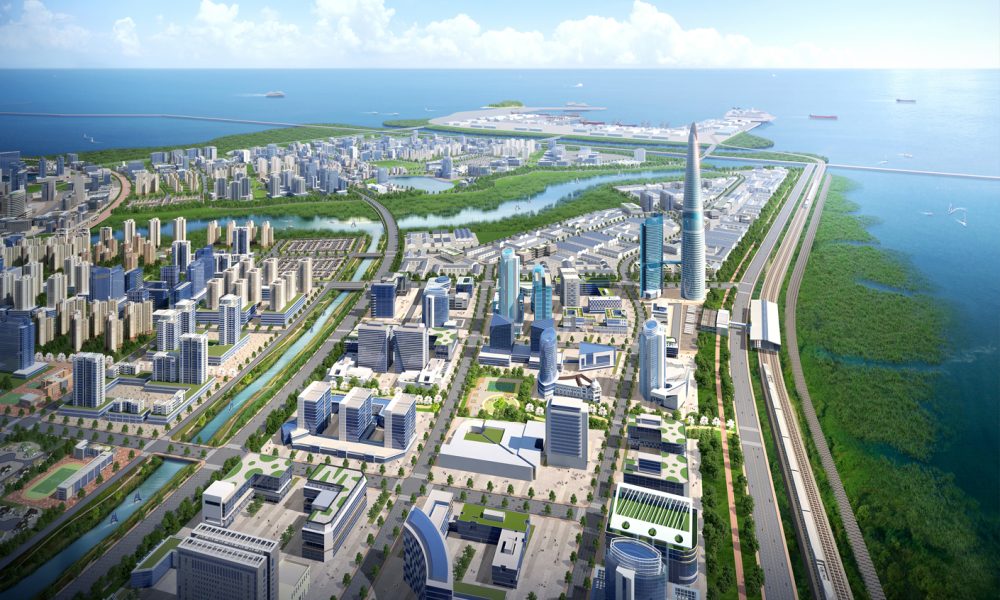
South Korea’s Saemangeum development is accelerating construction of a 1.9985 trillion won waterfront city designed for around 20,000 residents as Hyundai Motor Group’s 9 trillion won investment in AI, robotics and clean-energy infrastructure begins reshaping the reclaimed industrial zone.
Quick Skim
Construction activity is already underway across the waterfront site, with landscaping and pipeline works progressing as authorities prepare housing and essential services for workers expected to join the new industrial cluster.
Waterfront City Takes Shape
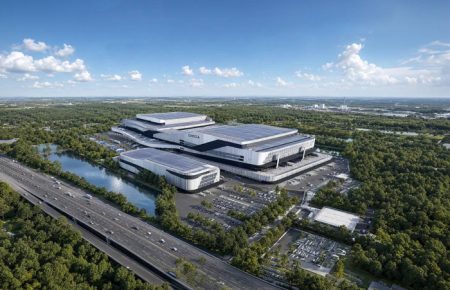
The planned waterfront city will cover around 6.25 square kilometres and is intended to become a residential base for employees and families connected to companies establishing operations in Saemangeum.
Work at the site includes landscaping and underground infrastructure, while authorities are also preparing residential, commercial and community facilities.
The development reflects a wider challenge facing large industrial clusters: manufacturing and technology investment must be supported by sufficient housing, education, healthcare and transport if workers are expected to relocate permanently.
Hyundai Investment Anchors New Industrial Cluster
Hyundai Motor Group announced plans in February to invest approximately 9 trillion won from 2026 in an innovation hub at Saemangeum focused on robotics, artificial intelligence and energy technologies.
The group’s plans include:
- An AI data centre
- A robotics manufacturing cluster
- Green hydrogen production
- Solar-power infrastructure
- An AI hydrogen smart city
Hyundai said the development is intended to integrate AI, robotics and energy infrastructure within a single industrial ecosystem.
AI Data Centre and Robot Factory Sites Move Forward
Ground investigations are underway at the planned industrial area where the AI data centre and robotics manufacturing facilities are expected to be located.
Hyundai’s AI data centre is planned with around 50,000 GPUs to support technologies including autonomous driving and robotics, while a dedicated robot manufacturing facility will form the foundation of a broader robotics component cluster.
The scale of the investment is expected to draw additional suppliers, engineering companies and technology businesses into the surrounding industrial zone.
Housing Supply Begins Ahead of Workforce Arrival
Saemangeum Development Corporation has started releasing residential land as it prepares for future population growth.
The first waterfront-city land sale included 67 plots for detached homes and two plots for neighbourhood facilities, all of which were sold within 31 days.
A further 45 plots, including residential and mixed-use sites, are planned for release, while apartment land sales are expected to begin next year.
However, housing construction and occupancy will take time, creating a need to align residential development closely with Hyundai’s industrial investment schedule.
Education and Healthcare Infrastructure Added
Authorities are also moving to establish services needed to support long-term residency.
Saemangeum Development Corporation signed an agreement with Australian private school Haileybury with the aim of opening an integrated international school covering kindergarten through high school by 2030.
A separate partnership with Wonkwang University is being developed to provide medical services, although details of the planned hospital remain under discussion.
These investments are intended to make Saemangeum more attractive not only to companies but also to the employees and families who would need to relocate there.
Industrial Investment Drives Wider City Development
Hyundai’s Saemangeum investment is expected to generate wider economic activity beyond the factories and data centre themselves.
The government estimates the wider programme could create around 16 trillion won in economic impact and approximately 71,000 jobs, including direct and indirect employment.
For Saemangeum, the challenge will be ensuring that industrial construction and urban infrastructure develop at similar speeds.
The project shows how major investments in AI data centres, robotics manufacturing and clean energy increasingly require supporting housing, utilities and community infrastructure, turning industrial development into a broader smart-city planning exercise.