






PGE Builds Predictive Maintenance Into New Geothermal Plant From Day One
Pertamina Geothermal Energy (PGE) is designing reliability, condition monitoring and predictive maintenance into its upcoming Lumut Balai Unit 3 geothermal plant before operations begin, using...

Pertamina Geothermal Energy (PGE) is designing reliability, condition monitoring and predictive maintenance into its upcoming Lumut Balai Unit 3 geothermal plant before operations begin, using performance data from existing facilities to guide engineering decisions.
Quick Skim
- Reliability Starts at the Design Stage
- Predictive Maintenance Included From Commissioning
- Existing Plant Data Guides Spare-Parts Planning
- Geothermal Operations Bring Unique Reliability Challenges
- Knowledge Transfer Supports Local Engineering Capability
- Reliability Measured Across Multiple Indicators
- Building Reliability Before Operations Begin
The 55 MW Lumut Balai Unit 3, scheduled to begin operations in 2030, is being developed with a focus on long-term reliability rather than treating maintenance as a consideration after commissioning.
PGE is using operational information from its existing geothermal plants, including equipment performance, outage patterns, maintenance schedules and operational risks, to help determine how the new facility should be designed and maintained.
Reliability Starts at the Design Stage
Operating data from PGE’s existing facilities is being analysed through a reliability, availability and maintainability assessment, allowing engineering teams to balance long-term plant performance with capital investment.
The findings are influencing decisions across equipment selection, maintenance accessibility, spare-parts planning, inspection schedules and monitoring systems.
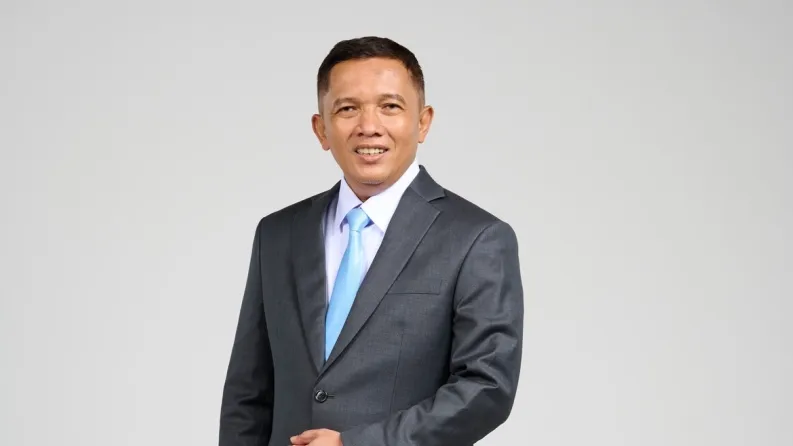
PGE Operations Director Andi Joko Nugroho said a baseload geothermal plant cannot be designed solely around achieving its commercial operation date.
Instead, the company is using historical operating experience to build reliability considerations directly into the engineering process.
Predictive Maintenance Included From Commissioning
Lumut Balai Unit 3 is being designed with condition monitoring, predictive maintenance, digital asset management and enhanced diagnostic capabilities from the outset.
A computerised maintenance management system will also be established during commissioning, together with a preventive maintenance programme.
This will allow PGE to plan activities such as major inspections, turbine overhauls and steamfield maintenance before commercial operations begin.
Coordination with Indonesia’s state electricity utility, Perusahaan Listrik Negara, will also form part of the maintenance planning process.
By establishing these systems early, PGE aims to create a more structured approach to equipment reliability throughout the plant’s operating life.
Existing Plant Data Guides Spare-Parts Planning
Maintenance experience from PGE’s existing Lumut Balai units will also be used to determine inventory requirements for Unit 3.
Rather than prioritising spare parts based only on their cost, PGE plans to assess inventory according to the criticality of individual components.
Maintenance records, equipment failures and inventory planning information from existing units will help determine which parts should be readily available to reduce the risk of extended outages.
The strategy is intended to improve equipment availability while reducing delays when critical components require repair or replacement.
Geothermal Operations Bring Unique Reliability Challenges
Geothermal power plants operate continuously and face equipment conditions that can create significant maintenance challenges.
PGE must manage issues including corrosive geothermal fluids, mineral scaling and reservoir performance, while ensuring generating equipment remains reliable and coordinated with the electricity grid.
Joko Sutopo, President Director of Sulzer Services Southeast Asia, identified corrosion, scaling and erosion as some of the main reliability challenges facing Indonesia’s geothermal fleet.
Local repair, reverse engineering and remanufacturing capabilities can also help shorten outages by reducing dependence on overseas replacement parts and technical support.
Knowledge Transfer Supports Local Engineering Capability
Although technologies including turbine generators, reservoir modelling, drilling systems and corrosion management continue to rely heavily on international suppliers, PGE is using the Lumut Balai development to strengthen local engineering expertise.
PGE employees are participating alongside international vendors in design reviews, hazard studies, factory testing, site acceptance testing and commissioning activities.
The approach is intended to transfer knowledge to local teams while building the technical capabilities required to operate and maintain the plant over its full lifecycle.
Reliability Measured Across Multiple Indicators
PGE plans to evaluate plant performance using several reliability and operational measures rather than relying on a single target.
These include plant availability, unplanned shutdowns, capacity factor, reservoir performance, steam quality and lifecycle costs.
PGE’s existing operations have already recorded improvements.
In the first quarter of 2026, the company’s electricity production increased 15.2% year on year to 1,370 GWh. Its capacity factor reached 90.77%, while the availability factor increased to 99.63%.
Building Reliability Before Operations Begin
The Lumut Balai Unit 3 project reflects a maintenance approach where reliability is considered throughout the asset lifecycle, beginning during engineering and design.
By incorporating operating experience, predictive maintenance, condition monitoring, digital asset management and critical spare-parts planning before commissioning, PGE aims to improve long-term availability and reduce unplanned disruption.
For Indonesia’s growing geothermal sector, the approach demonstrates how historical plant data can be used not only to maintain existing assets, but also to design future facilities around reliability from the beginning.