



Singapore Reviews US Export Rule on AI Chips Impacting Regional Data Centres
Singapore is evaluating new US restrictions on AI chip exports that could affect data centre operations and business relations with Chinese firms in South-east Asia.

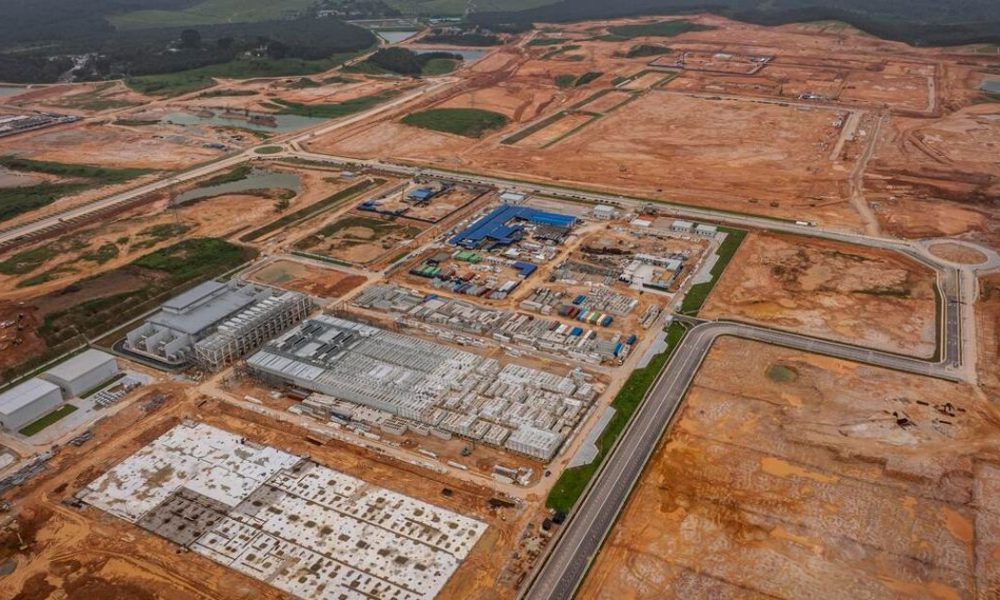
Singapore is examining the implications of a recent US export control rule targeting remote access to advanced AI chips through data centres in South-east Asia, a measure that could restrict the region’s data centre growth and operations involving Chinese companies.
Quick Skim
- Singapore Ministries Engage on New US Export Controls
- US Restriction Targets AI Chip Technology Access Via Third-Party Data Centres
- Concerns Over Chinese Companies’ Access to AI Computing Services
- Operational Impacts on Data Centres in South-East Asia
- Singapore’s Position on Compliance and Business Environment Integrity
- Strategic Considerations for Regional Technology Diplomacy
- Next Steps and Industry Outlook
Singapore Ministries Engage on New US Export Controls
Following the US Commerce Department’s announcement on 16 November, Singapore’s Ministry of Digital Development and Information and Ministry of Energy, Trade and Industry issued a joint statement emphasising their careful review of the new regulation.
The statement noted that Singapore is consulting with affected firms to assess business impacts and is in dialogue with US authorities to clarify the measure’s scope and implementation. The government is also exploring mechanisms to maintain trusted access for Singapore firms amidst the changes.
US Restriction Targets AI Chip Technology Access Via Third-Party Data Centres
The rule aims to prevent circumvention of existing US export controls on sensitive American technology by restricting remote computing services involving AI chips in third countries, including Singapore, Malaysia, Thailand, Indonesia, and Brazil.
Once effective—90 days after official publication—the rule requires companies to obtain licenses from the US Commerce Department before exporting relevant equipment or technology to these countries.
Under these controls, American cloud providers such as Amazon Web Services, Microsoft, and Google would receive exemptions, creating distinct operating conditions for local and non-US companies.
Concerns Over Chinese Companies’ Access to AI Computing Services
The US initiative responds to concerns that Singapore-based Megaspeed International and other firms were supplying AI chips and data centre services to major Chinese technology companies like Alibaba, Tencent, and ByteDance, despite restrictions on chip sales to China.
These business arrangements drew US national security scrutiny, culminating in investigations linked to potential breaches of export controls and espionage allegations involving company executives.
Operational Impacts on Data Centres in South-East Asia
According to Paul Triolo of DGA Group, the measures will require Singapore data centres to conduct thorough audits of their clients’ ownership structures, particularly to identify entities connected to China and other embargoed jurisdictions such as Russia and Iran.
Triolo indicated that while enforcement complexities exist, demand for AI inferencing infrastructure will persist. However, excluding large Chinese AI consumers could undermine data centre economics as these clients typically drive high utilisation and revenue essential for financial viability.
The rule introduces challenges for the region’s data centre operators by imposing stringent export licensing requirements and potentially disrupting supply chains for advanced AI computing hardware.
Singapore’s Position on Compliance and Business Environment Integrity
In their statement, Singapore ministries reaffirmed the country’s commitment to upholding international laws and export controls, highlighting its status as a trusted business hub governed by strong legal frameworks.
They emphasised that Singapore does not condone the use of its jurisdiction to circumvent foreign regulations and will act against entities violating export control laws, maintaining access to advanced semiconductor technologies for compliant firms.
Strategic Considerations for Regional Technology Diplomacy
This new US rule could complicate ongoing efforts to integrate South-east Asia into the American technology ecosystem, which seeks to establish control over AI chips, cloud infrastructure, and governance standards across the region.
Industry observers warn that the regulation may incentivise regional stakeholders to seek alternatives to US technology, potentially favouring Chinese or sovereign technology solutions, affecting broader supply chain and diplomatic dynamics.
Next Steps and Industry Outlook
The US Commerce Department allows a 60-day public comment period on the rule, during which stakeholders may submit feedback. Given recent political developments and heightened concerns around China’s technological access, significant modification of the rule appears unlikely.
Singapore’s ongoing engagement with US authorities and data centre companies will be vital to managing compliance and mitigating operational disruptions as export controls come into force.