



Thailand Imposes Stricter Environmental Standards on Large Data Centers
Thailand introduces its first specific regulations for large data centres, aiming to reduce water and electricity consumption in the sector.

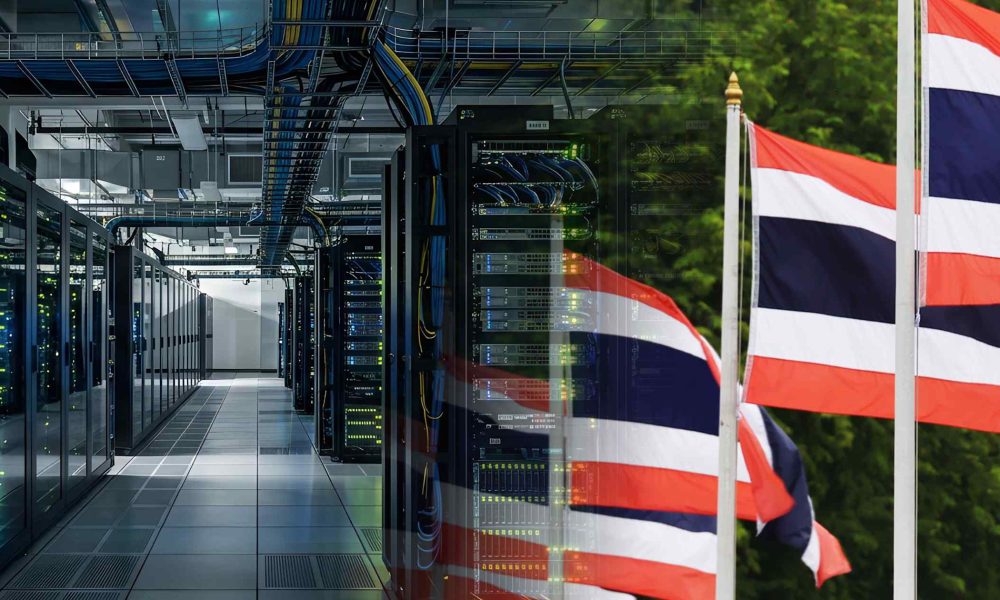
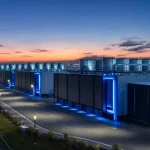
Thailand has implemented the country’s first environmental regulations targeting large data centres, reflecting a move to control resource usage amid rapid growth in the sector.
Quick Skim
- New Rules Address Water and Energy Consumption
- Suspension of New Data Centre Construction During Regulatory Drafting
- Rapid Growth of Data Centres in Thailand
- Implications for Industrial and Technology Operators
- Regulatory Impact on Regional Data Centre Infrastructure
- Outlook for Data Centre Development in Thailand
New Rules Address Water and Energy Consumption
The newly enacted regulations require large data centres to adopt stricter environmental standards focusing primarily on the efficient use of water and electricity. These resources are critical constraints in Thailand’s infrastructure planning. The government aims to ensure that the expansion of data centres does not exacerbate pressure on local utilities and environmental sustainability.
Suspension of New Data Centre Construction During Regulatory Drafting
Thailand had suspended the construction of new data centres for several months while formulating these regulations. This pause gave agencies time to develop comprehensive standards appropriate to the sector’s impact on natural resources. According to government officials, the suspension facilitated a thorough review process involving stakeholders from the technology and environmental sectors.
Rapid Growth of Data Centres in Thailand
The data centre industry in Thailand has experienced significant expansion due to increasing demand for cloud services and digital infrastructure in Asia-Pacific. This growth, however, has led to heightened concerns about the environmental footprint of large facilities, which consume large volumes of electricity and water for cooling operations.
Implications for Industrial and Technology Operators
For operators, the regulations imply the need to optimise facility designs and adopt more efficient cooling and power management systems to comply with new standards. This may affect project planning cycles, capital expenditures and operational practices. Supply chains for specialised equipment and energy management technologies are also likely to see increased demand.
Plant managers and engineers will need to monitor resource consumption closely to ensure ongoing compliance. The tighter environmental controls will require enhanced data collection and reporting capabilities within facilities. In addition, these rules could influence workforce training and safety procedures, particularly in relation to sustainable operations and maintenance practices.
Regulatory Impact on Regional Data Centre Infrastructure
Thailand’s move to regulate data centres represents a trend towards integrating sustainability into critical infrastructure development across Asia-Pacific. As demand for digital infrastructure grows regionally, similar environmental standards may emerge in neighbouring countries to address shared resource constraints and climate objectives.
Outlook for Data Centre Development in Thailand
According to government sources, enforcement of the new regulations will be phased, with ongoing review to fine-tune requirements based on industry feedback and technological advances. Monitoring frameworks and compliance mechanisms are expected to evolve, signalling an adaptive regulatory environment aimed at balancing growth with resource conservation.