




Indonesian Government Advances Infrastructure and Connectivity Plans in Papua
Coordination meeting set to address infrastructure needs in Papua to support economic growth and improve public welfare.

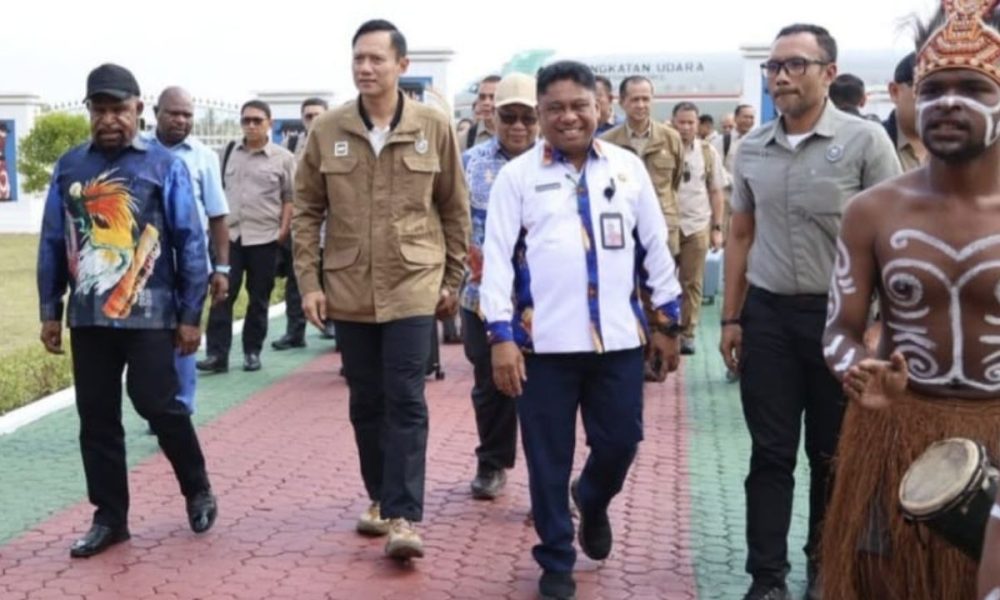
The Indonesian government is convening a coordination meeting with regional leaders from Papua to discuss infrastructure and connectivity enhancements aimed at accelerating economic growth and improving living standards in the region.
Quick Skim
- Coordination Meeting to Target Infrastructure Priorities
- Challenging Geography Demands Special Focus
- Road Development to Support Economic Activity
- Maritime and Air Transport Improvements
- Government Commitment to Regional Equity
- Implications for Industrial and Regional Development
- Outlook for Papua’s Development
Coordination Meeting to Target Infrastructure Priorities
The meeting scheduled for 18 September will involve governors, deputy governors, regents, and mayors across Papua. Coordinating Minister for Infrastructure and Regional Development Agus Harimurti Yudhoyono (AHY) emphasised the importance of engaging local government officials to determine infrastructure development priorities tailored to Papua’s specific needs.
Challenging Geography Demands Special Focus
Papua comprises six provinces and 42 districts characterised by difficult geographical conditions. AHY noted that this requires targeted infrastructure programmes that can address interregional connectivity and access challenges.
Road Development to Support Economic Activity
The minister highlighted the role of road infrastructure in improving mobility, expanding business opportunities, and increasing purchasing power. Enhanced road connectivity is intended to facilitate economic activities by linking communities within and beyond Papua.
Maritime and Air Transport Improvements
In addition to roads, maritime connectivity and air transportation developments are a key focus. These modes of transport are expected to lower logistics costs and improve the movement of people and goods across Papua’s extensive and dispersed geography.
Government Commitment to Regional Equity
AHY reaffirmed the central government’s dedication to ensuring Papua progresses alongside other Indonesian regions. Economic and infrastructure development were described as essential components in realising prosperity, security, and welfare for Papua’s population.
Implications for Industrial and Regional Development
Improved infrastructure in Papua is likely to enhance supply chain efficiency and support local industries by providing better access to markets and resources. The reduction of transportation costs and enhanced connectivity can attract investment and facilitate more sustainable economic growth across the region.
The coordination meeting represents a strategic step in aligning development objectives between the central and local governments, ensuring that infrastructure projects are responsive to the unique challenges of Papua.
Outlook for Papua’s Development
Following the meeting, further initiatives are expected to derive from the consultation process with regional heads. These will likely include targeted investments and programmes aimed at addressing both basic infrastructure deficits and specific connectivity improvements to support long-term regional development goals.