Sembcorp Pushes Next-Generation Industrial Ecosystem Model Across Vietnam
Sembcorp Pushes Next-Generation Industrial Ecosystem Model Across Vietnam Sembcorp Development is positioning Vietnam’s industrial parks for a new phase focused on advanced manufacturing, digital...

Sembcorp Pushes Next-Generation Industrial Ecosystem Model Across Vietnam
Sembcorp Development is positioning Vietnam’s industrial parks for a new phase focused on advanced manufacturing, digital infrastructure and low-carbon growth, as manufacturers increasingly look beyond land and labour towards integrated industrial ecosystems.
Quick Skim
- VSIP Network Approaches 30 Industrial Parks
- China+1 Strategy Raises Importance of Industrial Ecosystems
- AI Creates New Infrastructure Requirements
- Sustainability Becomes Part of Industrial Performance
- Sembcorp Rolls Out Green Building Framework
- VSIP Haiphong Achieves Carbon Neutrality Certification
- Industrial Parks Move Towards Integrated Platforms
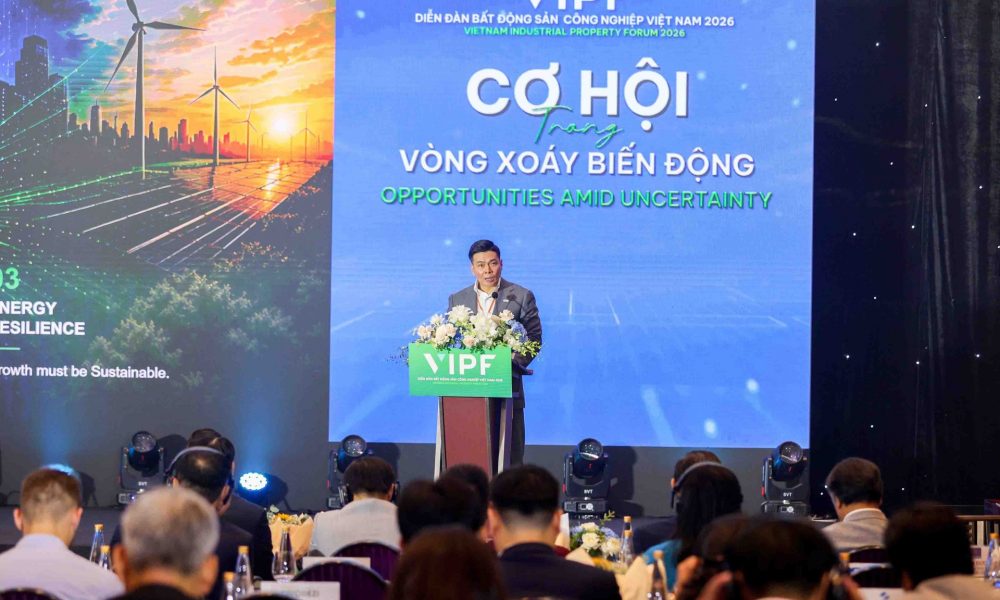
Speaking at the Vietnam Industrial Property Forum 2026, Sembcorp Development CEO Lee Ark Boon said supply-chain reconfiguration, artificial intelligence and energy resilience are reshaping what manufacturers expect from industrial locations.
VSIP Network Approaches 30 Industrial Parks
Sembcorp opened the first Vietnam-Singapore Industrial Park in Binh Duong around 30 years ago.
Today, the VSIP network has expanded to close to 30 industrial parks across Vietnam, reflecting the country’s evolution from a lower-cost manufacturing base into a broader platform for higher-value industry and modern services.
Sembcorp said the next phase will require industrial parks to provide more than physical infrastructure.
Manufacturers increasingly expect access to energy, digital connectivity, skilled labour, logistics and sustainability solutions within the same ecosystem.
China+1 Strategy Raises Importance of Industrial Ecosystems
Supply-chain diversification remains one of the major forces influencing investment into Vietnam.
Many multinational manufacturers have adopted a China+1 strategy, adding production capacity outside China to reduce concentration risk.
However, Sembcorp cautioned that relocating manufacturing is more complicated than simply building another factory.
Industrial supply chains depend on supplier networks, infrastructure, technical capabilities and workforce availability, which can take years to develop.
This means Vietnam’s competitiveness will increasingly depend on the strength of the surrounding industrial ecosystem rather than cost advantages alone.
AI Creates New Infrastructure Requirements
Artificial intelligence is also changing what industrial parks need to support.
AI infrastructure and advanced manufacturing can require significantly more power, water, connectivity and digital infrastructure than conventional industrial facilities.
As AI-related investment expands, industrial developers may need to plan energy and utility capacity earlier while providing the infrastructure required for data centres and increasingly digitalised factories.
Sembcorp sees this as an opportunity for Vietnam to strengthen its position in both advanced manufacturing and digital infrastructure.
Sustainability Becomes Part of Industrial Performance
Higher energy costs and corporate decarbonisation targets are also changing how companies select manufacturing locations.
Sembcorp said sustainability is moving from an optional feature towards a core part of industrial competitiveness.
Its approach is to integrate energy, infrastructure, resources and industrial operations from the initial design stage rather than adding sustainability features later.
This includes improving building efficiency, reducing carbon emissions and giving tenants access to consistent sustainability standards across industrial developments.
Sembcorp Rolls Out Green Building Framework
Sembcorp has secured LEED Volume Prototype approval in Vietnam, providing a repeatable framework for green industrial buildings.
The framework is being applied across the company’s logistics parks and integrated industrial hubs, allowing sustainability features to be incorporated consistently across multiple facilities.
For manufacturers, standardised green building designs can potentially simplify the process of meeting corporate environmental requirements when establishing or expanding operations.
VSIP Haiphong Achieves Carbon Neutrality Certification
Sembcorp has also achieved independently verified ISO carbon neutrality certification for VSIP Haiphong, which it said is the first industrial park in Vietnam to receive the certification.
The company is using emissions measurement and performance monitoring as part of its wider sustainability strategy.
Rather than treating carbon reduction as a standalone environmental programme, Sembcorp is linking it directly with industrial operations and infrastructure performance.
Industrial Parks Move Towards Integrated Platforms
Vietnam’s industrial property market is becoming more competitive as neighbouring countries strengthen their own manufacturing ecosystems.
For developers, this is increasing pressure to offer more than industrial land.
Next-generation industrial parks are increasingly expected to combine manufacturing space, energy systems, digital infrastructure, logistics, sustainability solutions and workforce support.
Sembcorp’s strategy reflects that transition, with the VSIP network moving towards integrated industrial ecosystems designed to support more advanced and resource-intensive industries.