Singapore Advances Green Fuels And Autonomous Shipping To Future-Proof Maritime Industry
Singapore is investing in decarbonisation, automation, and talent development to maintain its role as a leading maritime hub amid global challenges.

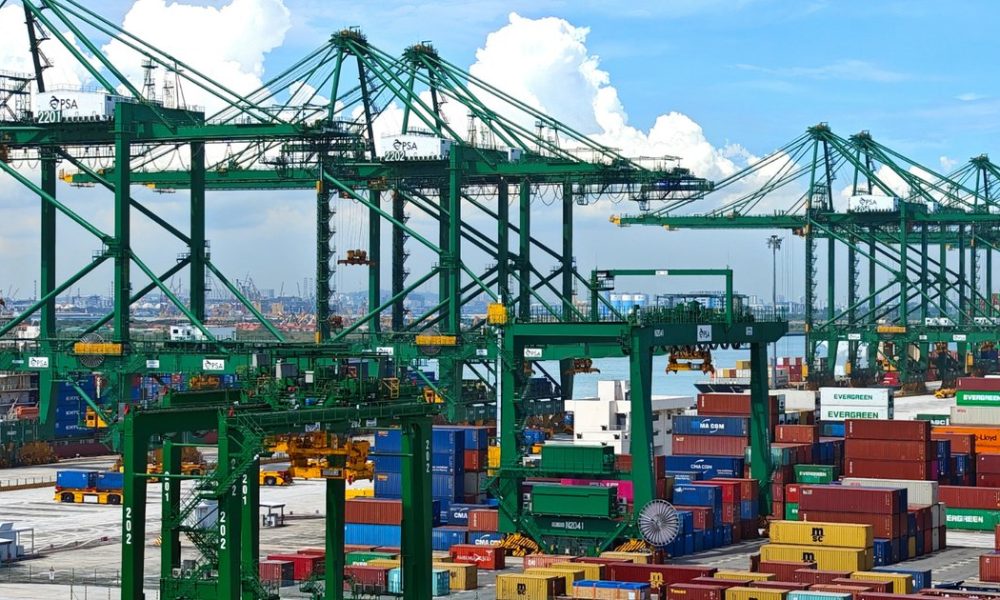
Singapore’s Maritime and Port Authority (MPA) and its partners are advancing initiatives in green fuels, autonomous shipping, and talent development to enhance industry resilience and sustainability amid increasing global disruptions and decarbonisation demands.
Quick Skim
- Maritime Industry Faces Multiple Disruptions
- Building An Integrated Maritime Ecosystem
- Advancing Digitalisation And Autonomous Operations
- Driving Decarbonisation Through Research And Funding
- Developing Skills To Support Industry Transformation
- Implications For Maritime Operations In Asia-Pacific
- Looking Ahead
Maritime Industry Faces Multiple Disruptions
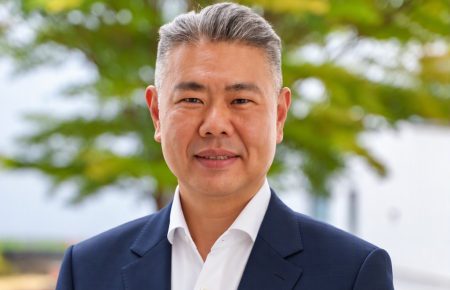
The maritime sector is undergoing significant transformation due to several pressures, including geopolitical tensions like those in the Strait of Hormuz, the Covid-19 pandemic’s impact, and the global imperative to reduce emissions. Ng Yi Han, MPA’s chief transformation officer, emphasises the industry’s central role in ensuring steady supply chains for essential goods such as energy and food.
Singapore, as the world’s leading transshipment and bunkering hub that handles about 25% of the world’s ship refuelling needs, sees approximately 1,000 ships in its port waters at any time. Maintaining this position requires proactive investment beyond geographic advantage.
Building An Integrated Maritime Ecosystem
Singapore hosts around 5,000 maritime companies employing over 140,000 people, ranging across shipping, port operations, maritime services, and technology. The ecosystem includes over 200 international shipping groups, with recent expansion reflecting confidence in Singapore’s market.
The city-state’s established regulatory framework, strong rule of law, and efficient dispute resolution underpin business confidence. Singapore functions as a regional hub connecting ASEAN countries, whose port capacities are growing, with a comprehensive service offering that spans financing, legal support, bunkering, and technology solutions.
Advancing Digitalisation And Autonomous Operations
MPA collaborates with startups, universities, and research centres to pilot innovative maritime technologies. Initiatives include the world’s first mandatory use of electronic bunker delivery notes (e-BDNs) from April 2025, eliminating over 100 manual forms per bunkering operation and saving approximately 40,000 man-days annually.
Singapore is also progressing autonomous shipping technologies through partnerships with the Technology Centre for Offshore and Marine, Singapore (TCOMS) at the National University of Singapore, facilitating trials of remotely operated and autonomous vessels.
Driving Decarbonisation Through Research And Funding
Singapore has positioned itself as a centre for maritime decarbonisation research, notably through the establishment of the Global Centre for Maritime Decarbonisation (GCMD), a non-profit formed with six founding partners. GCMD coordinates global pilot projects to reduce marine emissions.
One important project is the US$35 million Fund for Energy Efficiency Technologies, the first vessel retrofit fund adopting a pay-as-you-save financing model. Additionally, GCMD has conducted pioneering ammonia transfer pilots, which evaluate procedures for the safe use of ammonia fuels critical for maritime decarbonisation.
Developing Skills To Support Industry Transformation
MPA recognises that technology advancements must be matched by workforce capability. The maritime sector’s talent pool now includes roles in data analysis, cybersecurity, engineering, and technology management, extending beyond traditional seafaring jobs.
To build this workforce, MPA administers programmes like the Maritime Cluster Fund for training and upskilling, the MaritimeONE Connect Office to introduce young people to maritime careers, and the Global Internship Award providing international industry exposure.
Ng stressed the importance of preparing the current and future workforce with competencies suited to the evolving demands of digitalisation, decarbonisation, and automation.
Implications For Maritime Operations In Asia-Pacific
Singapore’s initiatives ensure that its maritime cluster remains competitive and resilient, sustaining the flow of goods critical to regional supply chains. The adoption of digital and autonomous systems aims to enhance operational efficiency and reduce human error, while decarbonisation efforts address increasingly stringent environmental regulations.
For operators in Asia-Pacific, these developments signal growing expectations for integrating technology and sustainability into maritime operations. The sphere of skills required will broaden, necessitating investment in workforce development across the region.
Looking Ahead
MPA’s ongoing collaboration with industry, academia, and international partners suggests continued emphasis on trialling emerging technologies and scaled adoption of green fuels. Future focus will likely encompass refining regulatory frameworks to support autonomous operations and accelerating decarbonisation pathways consistent with global climate commitments.