Toyota and Honda Suspend Production in Thailand Due to Flood-Disrupted Supply Chains
Heavy monsoon floods in Thailand have forced Toyota and Honda to halt production due to supply and worker access issues.

Torrential monsoon rains in Thailand have caused extensive flooding in several provinces, leading Toyota and Honda to pause vehicle production this week amid disrupted component supplies and hindered worker access. The stoppages underline the vulnerability of automotive supply chains to extreme weather in the region.
Floods Impact Automotive Plants and Logistics
Severe flooding affected key industrial zones in the provinces of Rayong, Chachoengsao, and Chon Buri, impeding travel and logistics operations. Numerous component manufacturing facilities were inundated, disrupting the flow of parts essential for vehicle assembly.
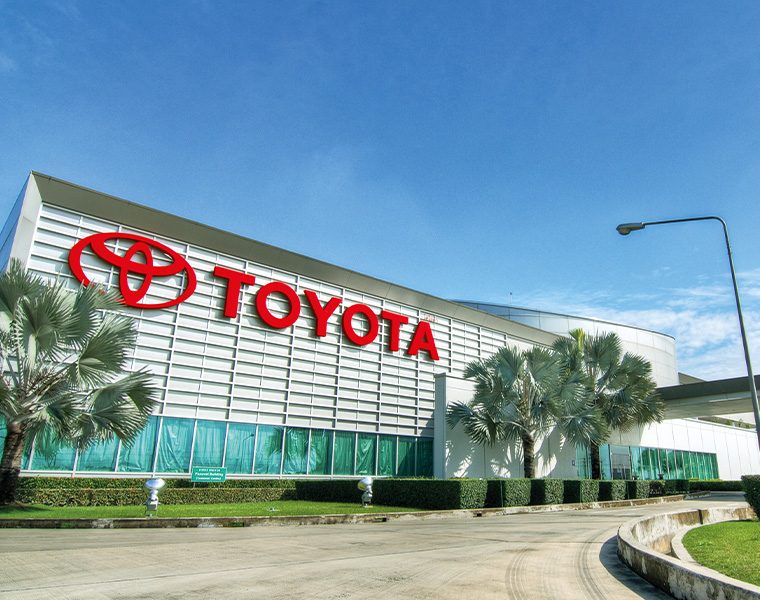
Toyota Motor suspended activities at four plants on 30 September, including its principal assembly facility in Ban Pho, Chachoengsao province, responsible for the Hilux pickup and Fortuner SUV models. A plant operated by its joint venture, Toyota Auto Works, was also closed. The company is coordinating with suppliers to resume deliveries but has not provided a timeline for restarting production.
Honda halted production from 2 to 6 October at its Prachin Buri and Ayutthaya plants. Flooding in Chon Buri and Rayong provinces prevented component suppliers from fulfilling delivery obligations. Both manufacturers have permitted employees affected by the floods to take time off to attend to personal matters.
Production Recovery Efforts Planned
To compensate for output lost during the suspension, Toyota and Honda intend to introduce additional manufacturing shifts later in October. This approach aims to mitigate the operational and supply chain challenges resulting from extensive monsoon flooding in the Southeast Asian manufacturing hub.