Indian Coast Guard Conducts SAREX-2026 in Bay of Bengal Testing Multi-Agency Rescue Response
India staged SAREX-2026 off Odisha to simulate aircraft and ship collisions, involving 30 nations to assess international maritime rescue coordination.

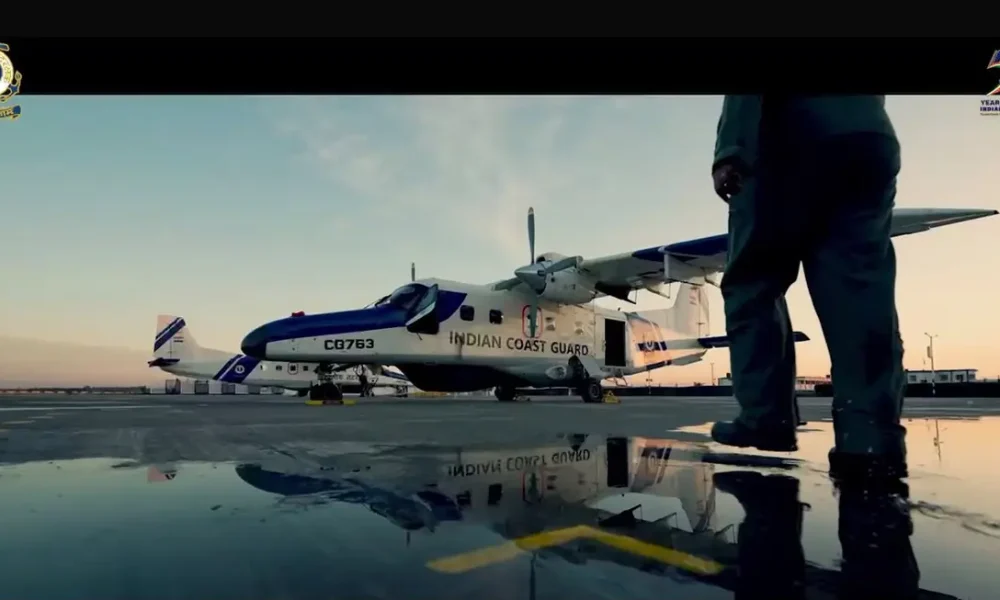
The Indian Coast Guard held the 12th National Maritime Search and Rescue Exercise, SAREX-2026, off the coast of Odisha near Paradip to simulate combined air and maritime emergencies involving hundreds of casualties.
Quick Skim
Simulated Multi-Agency Maritime Disaster Tests Coordination
The exercise scenario involved a passenger aircraft carrying 228 people ditching into the sea and colliding with the container ship MV Zumba, causing multiple simultaneous emergencies. The test incorporated rescue, evacuation, and medical response capabilities.
Participants included 15 Coast Guard ships, two Dornier aircraft, four helicopters, Indian Navy vessels, and Indian Air Force aircraft such as C-130J and Mi-17 helicopters. Civil and state agencies also contributed to the operation.
International Observers and Regional Maritime Significance
The exercise was observed by representatives from 30 countries, reflecting the international nature of Indian Ocean maritime search and rescue operations. India’s coordination role across the Indian Ocean region underscores the importance of interoperability and trust among partner countries.
Holding SAREX-2026 in Odisha highlights the region’s strategic significance in commercial shipping and exposure to natural disasters such as cyclones. Recent real-life operations, including the response to flooding of the Belize-flagged tanker MT Seagull 9 near Paradip, demonstrate the need for prompt and coordinated actions.
Implications for Maritime Operations and Preparedness
According to the Indian Coast Guard, the exercise aimed to improve the speed and integration of responses when multiple emergencies occur simultaneously, optimising the use of limited rescue and medical resources among agencies. The accompanying 24th National Maritime Search and Rescue Board meeting focused on refining distress alert management and faster mobilisation through enhanced technology and inter-agency collaboration.
The exercise’s effectiveness will ultimately be measured by improved real-world emergency responses, reducing response times and increasing survivor recovery rates in the Bay of Bengal and the wider Indian Ocean region.
India continues to develop its maritime search and rescue capabilities and collaborative frameworks with regional partners, reinforcing safety and operational readiness for complex maritime emergencies.