


Singapore Expands Maritime Regulation to Include Cybersecurity and Autonomous Vessels
Singapore’s Maritime and Port Authority introduces amendments to regulate cybersecurity, AI, and autonomous vessels, enhancing oversight for shipowners and operators.

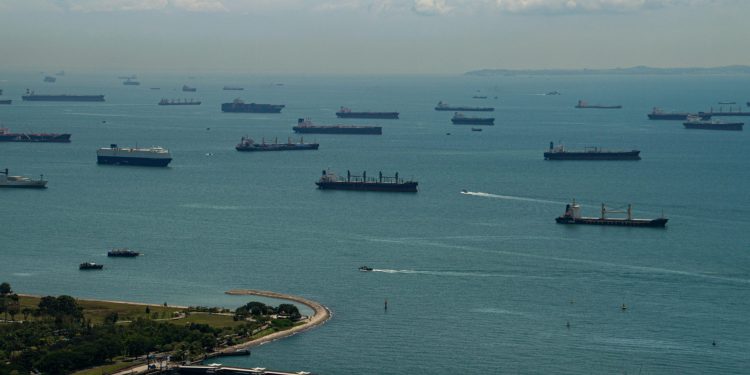
Singapore’s Maritime and Port Authority (MPA) has introduced amendments to its Maritime and Port Authority Act, extending regulatory powers over cybersecurity, autonomous vessels, artificial intelligence, and digital systems to address evolving maritime operations.
Quick Skim
Proposed Bill Introduces Cybersecurity and Technology Oversight
The MPA Amendment Bill, presented for First Reading in Parliament on 6 October, proposes establishing a maritime sector cybersecurity framework. This framework would enable MPA to designate Important Information Infrastructure, impose cybersecurity requirements, and issue directions to safeguard maritime systems and infrastructure, working alongside Singapore’s existing Cybersecurity Act 2018.
The Bill also provides legal authority to regulate autonomous surface vessels, aerial drones, and artificial intelligence applications in maritime operations. MPA would have the power to update definitions and provisions to reflect technological developments and ensure safe deployment.
Expanded Enforcement and Licensing Provisions
Beyond digital governance, the Bill grants MPA enhanced powers to collect and verify information, conduct inspections, and address issues related to false or missing documentation. Additionally, it introduces measures to manage stranded or abandoned vessels, wrecks, and other hazards that could impact navigation, the marine environment, or port activities.
The amendments also propose a more comprehensive licensing framework for maritime services. Under this framework, MPA could issue directions addressing safety, reliability, environmental sustainability, efficiency, and service quality for operators.
According to MPA, these changes aim to reflect increased digitalisation, remote operations, autonomous technologies, and the complexity of modern port activities since the original Act was enacted in 1996.
Parliament is expected to debate the Bill at Second Reading in November 2026.
Implications for Maritime Operations
The expanded regulatory scope signals enhanced oversight for shipowners and ship managers operating through Singapore, especially regarding cybersecurity protocols and integration of emerging autonomous and AI technologies.
This could affect operational continuity and compliance requirements, with potential implications for maintenance regimes, crew training, and supply chain security in one of the region’s busiest maritime hubs.
Companies in the Asia-Pacific maritime sector should observe developments closely as the Bill progresses through Parliament, noting its potential to set precedents for maritime technology governance.