


Megaspeed Builds Singapore-Malaysia Network to Channel US$7.5 Billion Nvidia Chips to China
Singapore-based Megaspeed reportedly moved US$7.5 billion of Nvidia AI chips to Chinese firms, highlighting Southeast Asia’s role in navigating US export controls.

Singapore-based cloud computing company Megaspeed is under investigation for allegedly facilitating the transfer of US$7.5 billion worth of restricted Nvidia AI chips to Chinese companies, a case that underscores Southeast Asia’s critical role in the supply chain and regulatory landscape for advanced semiconductors.
Quick Skim
- Megaspeed’s Role in Nvidia Chip Transfers
- Export Controls and Regulatory Context
- Strategic Advantages of Singapore and Malaysia
- Operational Methods for Chip Distribution
- Implications for Data Centre and Supply Chain Management
- Government Actions and Industry Impact
- Outlook for Regional Technology Controls
Megaspeed’s Role in Nvidia Chip Transfers
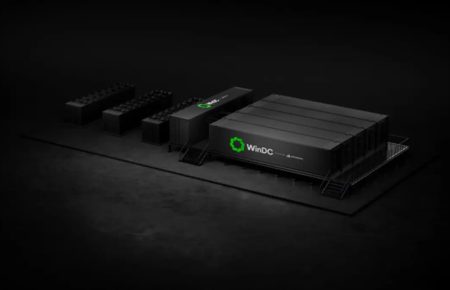
Megaspeed, originally incorporated in 2015 as 7Road International, is a Singapore-registered neocloud provider specialising in AI computing power. The company changed its name to Megaspeed in early 2023, coinciding with the appointment of Alice Huang as managing director. Reports indicate that Megaspeed and its Malaysian subsidiary Speedmatrix facilitated the movement of Nvidia’s most advanced Blackwell and Rubin AI chips, which are subject to US export restrictions, to Chinese firms between June 2024 and June 2025.
The shipments, reportedly over 200 in number, were directed to data centres owned by Shanghai Century Litong, a Chinese company linked to Alice Huang’s family. These data centres provide high-performance AI computing infrastructure to major Chinese technology companies including Alibaba and Tencent.
Export Controls and Regulatory Context
The US government restricts exports of Nvidia’s top-end AI chips to China fearing their potential to boost Beijing’s AI capabilities. Although it remains legal under current US regulations for Chinese firms to access AI processors located outside China, such as those in Singapore or Malaysia, the physical shipment of restricted chips to China poses compliance risks.
Singapore authorities have confirmed an ongoing investigation into Megaspeed for potential breaches of domestic laws. Meanwhile, US officials are also examining the company for possible violations of export controls. Nvidia has stated it found no evidence of illicit transfers but has launched an independent probe into whether Alice Huang was subject to foreign intelligence efforts.
Strategic Advantages of Singapore and Malaysia
Industry experts highlight that Singapore and Malaysia serve as crucial regional hubs for AI hardware due to their strategic locations and favourable business environments. Malaysia, benefiting from ample land, relatively low electricity costs, and proximity to key submarine data cables, has attracted US$94 billion in data centre investments between 2021 and mid-2026.
Singapore offers an open economy with stable governance, drawing multinational AI firms such as Anthropic and OpenAI to locate their Asia-Pacific headquarters there. These factors make both countries attractive for companies seeking to source or rent access to advanced AI chips without direct import into China.
Operational Methods for Chip Distribution
Analysts note two primary channels for restricted Nvidia silicon to reach Chinese firms: renting computing power hosted in data centres in Singapore and Malaysia, which is currently legal, and direct shipments using front companies to transport chips into China, potentially circumventing US trade controls.
Megaspeed reportedly utilised both methods. Its subsidiary Speedmatrix in Johor, Malaysia, was used to receive chip shipments before distribution. This dual approach demonstrates the complexities regulators face in monitoring supply chains spanning multiple jurisdictions.
Implications for Data Centre and Supply Chain Management
The Megaspeed case elucidates challenges for data centre operators, semiconductor suppliers, and regulators across Asia-Pacific. It reveals systemic vulnerabilities in customer due diligence, as AI chip distributors often rely heavily on paperwork rather than rigorous verification of end users.
Such gaps may complicate supply chain compliance and increase the risk of unknowingly supporting restricted technology transfers. Conversely, heightened scrutiny by US and regional authorities may prompt stricter oversight and impact operational flexibility for data centre firms in Singapore and Malaysia.
Government Actions and Industry Impact
Both Singapore and Malaysia have intensified enforcement against unauthorised chip shipments. Singapore’s investigation into Megaspeed follows previous prosecutions involving fraudulent diversion of AI servers. Malaysian customs have also seized substantial shipments of AI technology, highlighting ongoing attempts to control illicit flows.
Meanwhile, US legislative efforts such as the Remote Access Security Act aim to close loopholes that allow China-based entities access to AI capacity hosted outside its borders. Industry participants are responding by imposing restrictions; for example, Nvidia has directed cloud clients to ensure at least 51% of services are sold to non-Chinese customers.
Outlook for Regional Technology Controls
Experts suggest that the US-China AI competition will lead to increased regulatory oversight of third-party countries like Singapore and Malaysia. The balance these countries strike in maintaining trust with both powers will influence their role in global semiconductor supply chains.
Ja Ian Chong of the National University of Singapore asserts that while Singapore and Malaysia presently benefit from their positions as trusted partners, they may face growing suspicion and stricter controls as geopolitical pressures escalate.