





Aichi Prefecture Prepares for 2026 Asian Games Despite Rising Costs
Aichi expects the 2026 Asian Games to generate economic benefits despite its event budget tripling amid inflation and geopolitical issues.

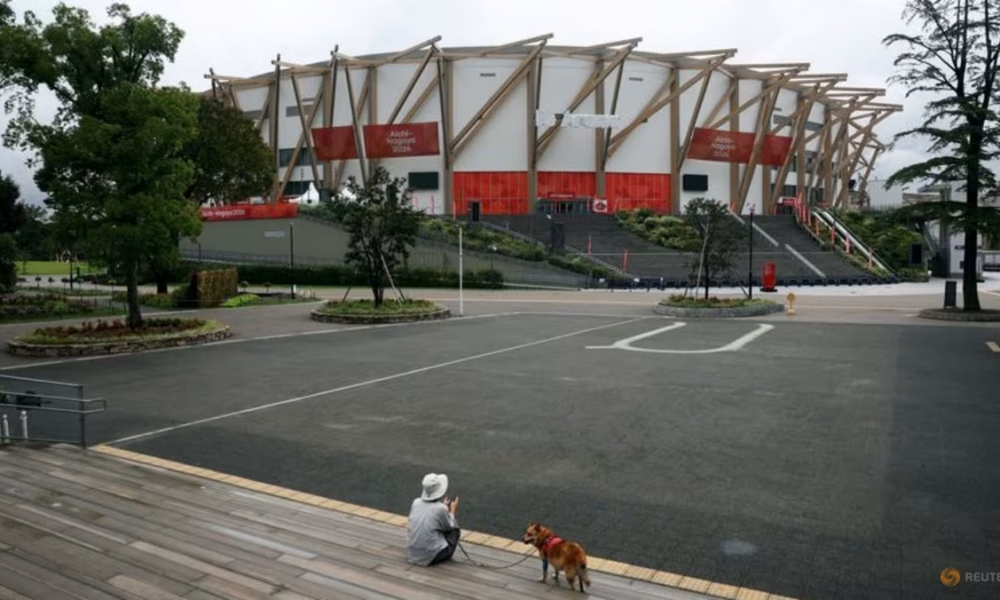
Aichi Prefecture in central Japan is hosting the 2026 Asian Games starting 19 September, aiming to generate economic benefits and strengthen regional ties despite the event’s budget rising from 100 billion yen to 370 billion yen (US$2.38 billion).
Quick Skim
Costs Have Soared Due to Pandemic and Geopolitical Risks
Aichi’s governor, Hideaki Ohmura, attributed the budget increase partly to the COVID-19 pandemic, which restricted arrivals and departures for three years from 2020. Additionally, a historic depreciation of the yen since 2021 and global geopolitical instability, including Russia’s invasion of Ukraine and tensions in the Middle East, have driven up resource prices such as oil.
Extreme weather has also challenged preparations, with record rainfall in Nagoya on 8 September forcing temporary evacuation of athletes and staff.
Cost-Containment Measures and Economic Expectations
To mitigate expenses, organisers opted against building a new athletes’ village, instead using a cruise ship and mobile container homes for accommodation. While constructing two new venues—Mizuho stadium and Aichi Prefectural IG Arena—they relied heavily on existing facilities, cutting costs by 100 billion yen.
Governor Ohmura projects economic benefits of 3.7 trillion yen for Japan overall and 1.8 trillion yen for Aichi Prefecture. The Games will feature 45 countries and regions competing in 43 sports, with around 20,000 athletes and delegation members attending, alongside thousands of visitors.
Strengthening Manufacturing and Regional Links
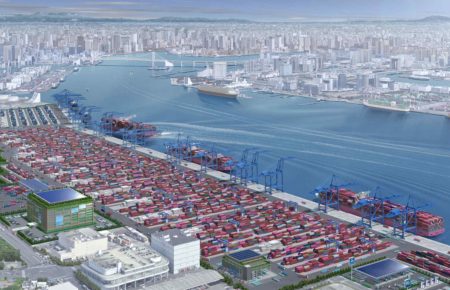
Aichi is one of Japan’s key manufacturing hubs, hosting major corporations including Toyota Motor Corporation and operating the country’s busiest cargo port in Nagoya. The prefecture aims to leverage the event to deepen economic connections with Asia and attract more investment, reinforcing its status as a global manufacturing cluster.
Preparations include public displays such as banners and light projections across Nagoya. Beyond economic gains, the Games are intended to promote regional friendship and peace, according to Ohmura.
Industry observers will be monitoring how effectively Aichi manages the operational challenges and whether the Games deliver the anticipated economic return in the context of ongoing cost pressures and geopolitical uncertainty.