




High Speed Rail Authority Opens Industry Process for Manufacturing Facility Near Sydney
The High Speed Rail Authority has sought industry interest to develop a manufacturing facility for components of the Newcastle-Sydney high-speed rail project.

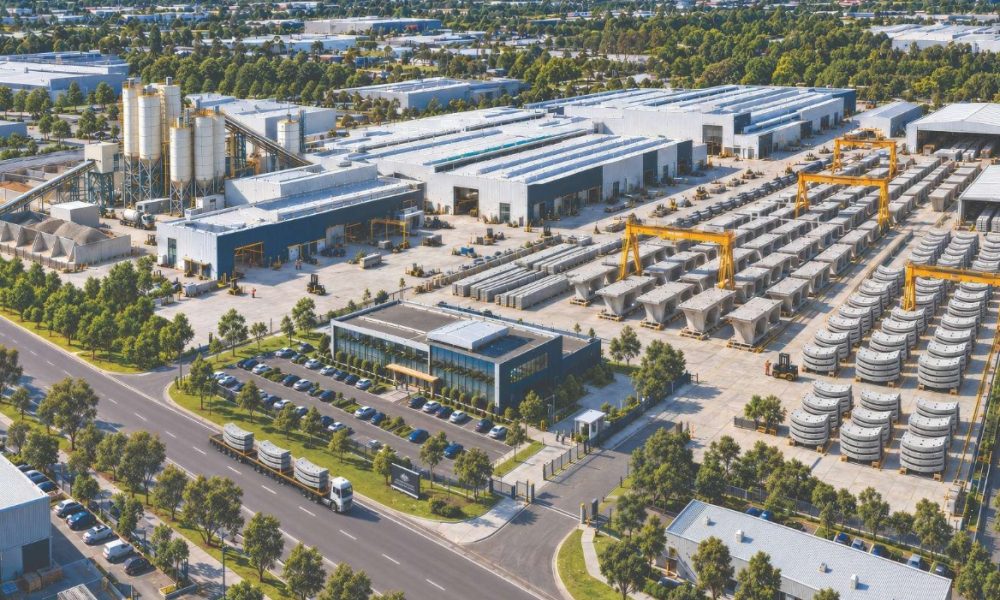
The Australian High Speed Rail Authority (HSRA) has initiated an industry consultation process to establish an Advanced Manufacturing Facility (AMF) to produce components for the proposed Newcastle to Sydney high-speed rail link, aiming to enhance project quality and support domestic manufacturing.
Quick Skim
- Advanced Manufacturing Facility Aimed at Component Production
- Site Selection Underway Along Proposed Rail Corridor
- Support for Domestic Supply Chains and Skills Development
- Engagement with Industry Partners Informing Project Design
- Industrial Implications of Facility Development
- Next Steps Towards Investment Decision
Advanced Manufacturing Facility Aimed at Component Production
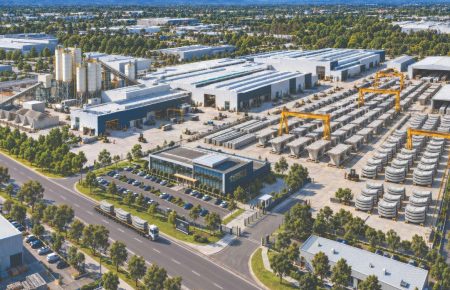
The HSRA announced an Expression of Interest (EOI) process inviting organisations with relevant expertise and technologies to assist in developing the AMF. This facility would manufacture the majority of construction elements required for the high-speed rail project, which remains in its Development Phase.
The AMF is intended to deploy advanced manufacturing, precision engineering, and technology to support repeatable production of components under controlled conditions. Benefits include improved quality consistency, waste reduction, safer labour conditions, and greater cost and delivery certainty for the project.
Site Selection Underway Along Proposed Rail Corridor
In parallel with the industry EOI, the HSRA is conducting a separate process to identify suitable land for the facility. Potential sites are being sought between Newcastle and Western Sydney International Airport, prioritising locations with access to major road and freight networks.
Support for Domestic Supply Chains and Skills Development
The facility is also designed to strengthen domestic supply chains beyond this single project. The HSRA stated that the AMF could foster career opportunities, particularly in regions such as the Hunter Valley, where employment is expected to shift due to the energy transition.
Engagement with Industry Partners Informing Project Design
Earlier stages of development have seen the HSRA engage with Australian and international contractors, including tunnelling experts and train manufacturers, through an early contractor involvement programme. This collaborative approach has helped define technical and logistical requirements for the project and the AMF.
Industrial Implications of Facility Development
For industrial operations, the AMF represents a move towards centralised production of infrastructure components, which could improve supply chain reliability and scheduling for the high-speed rail project. The controlled environment may lead to a reduction in onsite installation errors and promote safer labour conditions. Additionally, the inclusion of advanced manufacturing techniques may necessitate workforce upskilling and provide opportunities for sectors experiencing structural changes.
Next Steps Towards Investment Decision
The AMF is integral to the Development Phase of the Newcastle to Sydney High Speed Rail project. Upon concluding this phase, the Australian Government plans to make an investment decision on progressing the rail link. The results of the EOIs and site selection will inform the design and feasibility of manufacturing arrangements supporting the project’s execution.