Infineon Opens US$1.4 Billion Semiconductor Backend Plant Near Bangkok
Infineon has inaugurated a backend semiconductor manufacturing facility in Thailand to enhance its global capacity and support electric vehicle and data centre sectors.

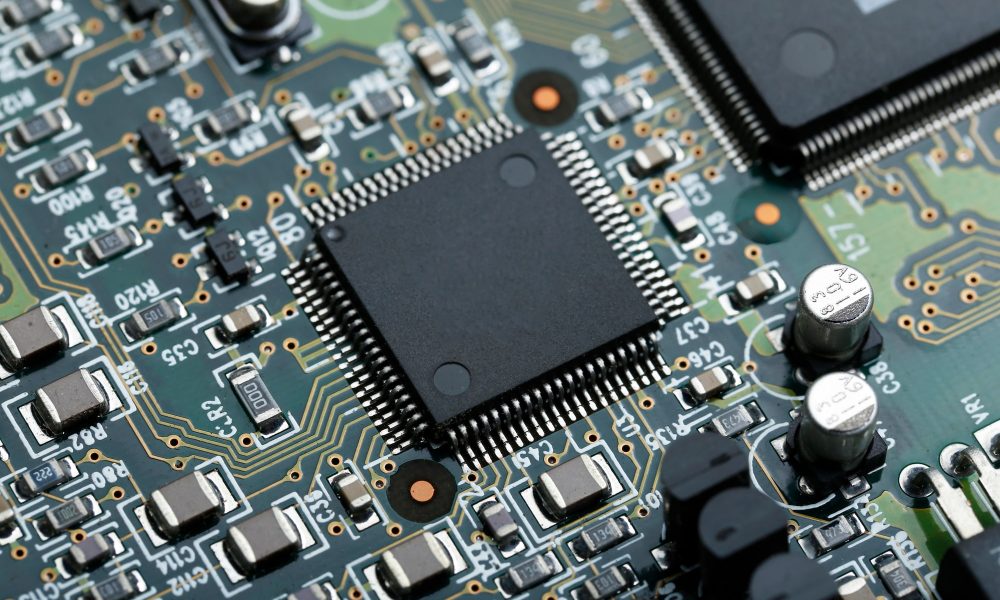
German semiconductor manufacturer Infineon Technologies has opened a new backend semiconductor manufacturing plant near Bangkok, Thailand, valued at US$1.4 billion. The facility will support chip processing and testing for electric vehicles, energy systems, and data centres.
Quick Skim
Plant Features and Strategic Location
The plant incorporates an advanced cleanroom, assembly and test capabilities, wafer testing, and manufacturing automation. Infineon indicated this could be among its largest backend manufacturing sites. The site adds significant backend capacity to Infineon’s global manufacturing network and leverages proximity to key markets like China and Southeast Asia, facilitating integration with global logistics.
Impact on Manufacturing and Regional Industry
Infineon’s Chief Operating Officer Alexander Gorski noted that the new facility diversifies the company’s manufacturing footprint, enhancing resilience and flexibility in supply capacity. The plant currently employs about 350 workers, with plans to increase to approximately 1,000 as production scales. This expansion aligns with Thailand’s “Made in Thailand” initiative aiming to generate over 230,000 jobs.
The investment forms part of Infineon’s commitment to Thailand’s semiconductor sector, including partnerships with local universities for skills development. Thailand’s national semiconductor strategy targets cumulative investment of US$80 billion by 2050, focusing on an integrated ecosystem emphasising photonics, power semiconductors, and sensors.
Significance for Supply Chain Stability
Infineon’s expansion supports efforts to address the global semiconductor shortage and stabilise supply chains. The company’s diverse manufacturing locations across the United States, Europe, China, and Southeast Asia provide redundancy should disruptions occur. By serving several sectors beyond AI and data centres—such as electric vehicles and energy systems—Infineon aims to mitigate risks associated with fluctuating demand across industries.
For Thailand, the plant enhances the country’s role as a regional electronics exporter and strengthens its digital and technological sovereignty amid growing semiconductor competition between the United States and China.
Infineon is expected to continue scaling output at the Thailand site, contributing to both regional industrial capacities and the company’s global supply network resilience.