





Keppel DC REIT to Acquire Two Tokyo Data Centres for US$1.2 Billion
Keppel DC REIT and Keppel have agreed to acquire nearly all of two hyperscale data centres in Greater Tokyo for 190 billion yen (US$1.2 billion), significantly expanding the Singapore-listed trust’s...

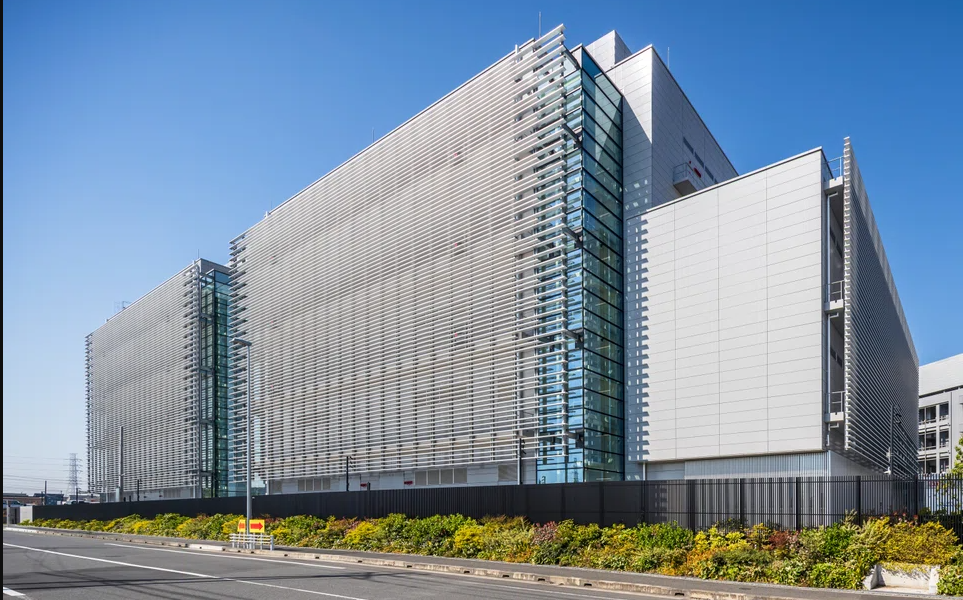
Keppel DC REIT and Keppel have agreed to acquire nearly all of two hyperscale data centres in Greater Tokyo for 190 billion yen (US$1.2 billion), significantly expanding the Singapore-listed trust’s exposure to Japan’s growing digital infrastructure market.
Quick Skim
The transaction covers Tokyo Data Centre 4 and Tokyo Data Centre 5, two freehold, fully fitted co-location facilities located in Inzai City.
Together, Keppel DC REIT and Keppel will own 90% of the assets, while the existing global data-centre operator will retain the remaining 10%.
Japan Exposure to More Than Double
Following completion, expected in the fourth quarter of 2026, Keppel DC REIT will hold an 88.62% effective interest in each facility, while Keppel will hold another 1.38% through Keppel Japan KK.
The acquisition will significantly increase Japan’s contribution to Keppel DC REIT’s portfolio.
Rental income from Japan is expected to rise from around 9% to 23% after the deal, making the country a much larger part of the trust’s data-centre portfolio.
Singapore will remain its largest market, contributing approximately 60% of portfolio rental income.
Two Data Centres Fully Occupied
Both Tokyo facilities are fully leased to four investment-grade internet and IT services companies.
Three of the customers are new to Keppel DC REIT, helping diversify the trust’s tenant base and reduce reliance on its largest customer.
The contribution from its largest tenant is expected to decline from 43.5% of portfolio rental income to approximately 38.2% following the acquisition.
Tokyo Data Centre 4 has a weighted average lease expiry of around 4.5 years, while Tokyo Data Centre 5 has a longer lease profile of approximately 10.6 years.
Rental Growth Built Into Assets
The facilities have contracted average annual rental increases of approximately 2.8%.
Keppel DC REIT’s manager said current rents at the two properties are also estimated to be at least 30% below prevailing market levels, providing potential for rental growth when leases are renewed or renegotiated.
Loh Hwee Long, CEO of the REIT manager, said the assets provide both immediate distribution per unit accretion and longer-term growth potential through rent escalations and future rental reversions.
Portfolio Grows to S$7.6 Billion
The acquisition will increase Keppel DC REIT’s assets under management from S$6.3 billion to approximately S$7.6 billion.
Its portfolio will expand to 27 data centres across 10 countries.
Contracted power capacity across the portfolio will also increase slightly, from around 95% to 96%, while the weighted average lease expiry by lettable area will rise from 6.7 years to 6.8 years.
The purchase price represents an approximately 2.1% discount to the two assets’ combined valuation of 194 billion yen.
S$600 Million Fundraising Planned
Keppel DC REIT plans to finance the transaction through a combination of equity and yen-denominated debt.
Its manager intends to raise at least S$600 million through a private placement, involving approximately 280.1 million new units.
The acquisition is expected to be immediately accretive to distribution per unit.
On a pro forma basis, assuming the transaction had been completed at the beginning of 2025, FY2025 distribution per unit would have increased by around 2.6%, from S$0.10381 to S$0.10649.
Tokyo Strengthens Role in Regional Data-Centre Investment
The transaction deepens Keppel DC REIT’s presence in one of Asia’s major data-centre markets while adding fully operational hyperscale infrastructure to its portfolio.
Rather than developing new facilities from the ground up, the acquisition gives the trust immediate exposure to two occupied data centres with established tenants, contracted rental growth and long lease periods.
The deal also highlights continued institutional investment into data-centre infrastructure as demand for cloud computing, digital services and high-density computing capacity expands across Asia.