






Singapore Manufacturing PMI Rises to 51.4 as AI Demand Supports Electronics
Singapore’s manufacturing sector expanded at a slightly faster pace in July 2026, supported by continued AI-driven semiconductor demand even as supply-chain disruptions from the Middle East pushed up...

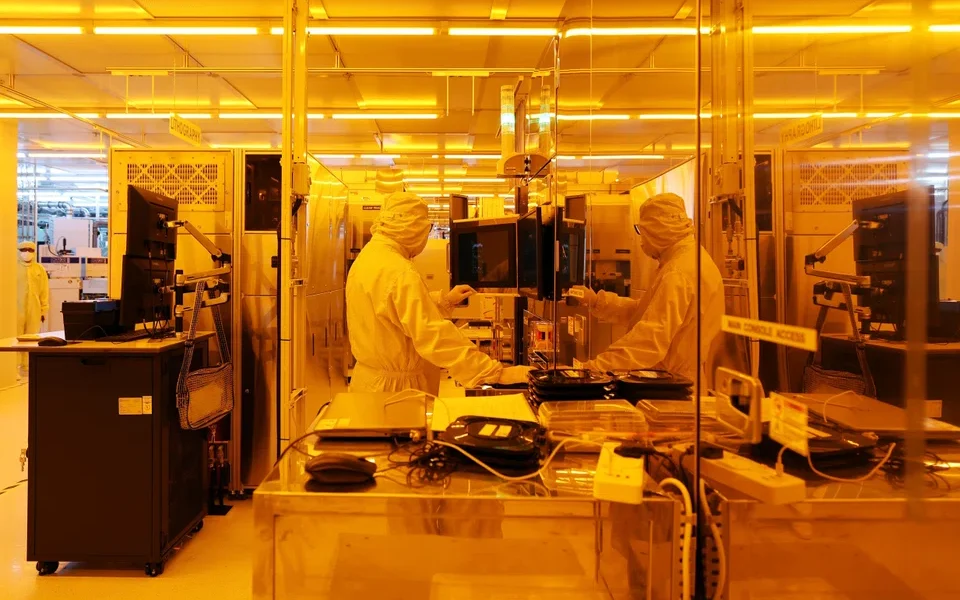
Singapore’s manufacturing sector expanded at a slightly faster pace in July 2026, supported by continued AI-driven semiconductor demand even as supply-chain disruptions from the Middle East pushed up costs and lengthened delivery times.
Quick Skim
The country’s Purchasing Managers’ Index (PMI) rose 0.1 point to 51.4 in July, according to data from the Singapore Institute of Purchasing and Materials Management (SIPMM). A reading above 50 indicates expansion.
July marked the 12th consecutive month of manufacturing expansion, with the headline PMI reaching its highest level since November 2018.
Electronics Manufacturing Extends Growth
Singapore’s electronics sector continued to outperform the wider manufacturing industry.
The electronics PMI increased 0.2 point to 52.4, recording its 14th consecutive month of expansion and its highest reading since January 2018.
SIPMM said the manufacturing sector continued to benefit from the AI-driven semiconductor cycle, which has supported new orders and employment.
Electronics new export orders climbed to 52.6 in July, their highest level since mid-2018.
At the same time, inventories of finished electronics goods remained in contraction for a third consecutive month, suggesting that manufacturers are drawing down existing stock to meet rising demand.
The trend follows a strong period for Singapore’s technology sector. Non-oil domestic exports rose 27.4% year on year in the second quarter, largely driven by electronics and global AI infrastructure demand.
AI Infrastructure Continues to Drive Orders
Investment by global technology companies in data centres and AI computing infrastructure continues to support Singapore’s semiconductor and electronics industries.
Memory chips, server-related products and other electronics used in AI infrastructure are expected to remain key sources of manufacturing demand during the second half of 2026.
Singapore has a significant position within the global semiconductor supply chain, producing approximately one in 10 chips worldwide and around one-fifth of global semiconductor equipment output.
This manufacturing base is helping the country benefit from continued global investment in high-performance computing, memory and data-centre infrastructure.
Supply-Chain Pressure Intensifies
Despite strong demand, manufacturers are facing increasing operational pressure from supply-chain disruptions linked to the Middle East conflict.
Supplier delivery conditions deteriorated further in July as some shipments were diverted away from the Suez Canal and Bab el-Mandeb routes towards the longer journey around the Cape of Good Hope.
Longer shipping routes are contributing to increased lead times and logistics costs.
Manufacturers are also facing higher input costs as energy prices remain elevated. Overall manufacturing experienced stronger cost pressure than electronics, partly due to higher energy prices and rising memory-chip costs.
Singapore’s chemicals sector could face additional pressure as disruptions affect access to feedstock supplies.
Manufacturing Growth Remains Uneven
The strong performance of electronics does not necessarily reflect conditions across every manufacturing industry.
AI-related demand continues to provide significant support for semiconductor and electronics companies, while industries with less exposure to the technology cycle are facing greater pressure from energy costs, supply-chain disruptions and trade uncertainty.
This could result in increasingly uneven manufacturing performance during the coming months.
However, forward-looking business indicators for both overall manufacturing and electronics remained in expansion territory in July, supporting a positive near-term outlook.
Southeast Asian Manufacturing Shows Improvement
Manufacturing conditions also improved across much of Southeast Asia during July.
Indonesia returned to expansion with its PMI rising to 50.2, while Vietnam increased to 52.9.
Thailand’s PMI climbed to 54.2, its highest level since December, while the Philippines reached a five-month high of 51.8. Malaysia remained in expansion territory at 50.7.
Singapore’s latest PMI results show that AI-related electronics demand remains a major source of manufacturing momentum.
However, manufacturers will need to manage a more challenging supply environment as longer delivery times, energy costs and geopolitical disruptions place additional pressure on industrial operations during the second half of 2026.