South Korean Industry Pushes AI From Factories to Shipyards and Space
South Korea’s major industrial groups are expanding artificial intelligence into physical operations, with Hyundai Motor Group, POSCO, HD Hyundai, Samsung SDI, LG Electronics and aerospace companies...

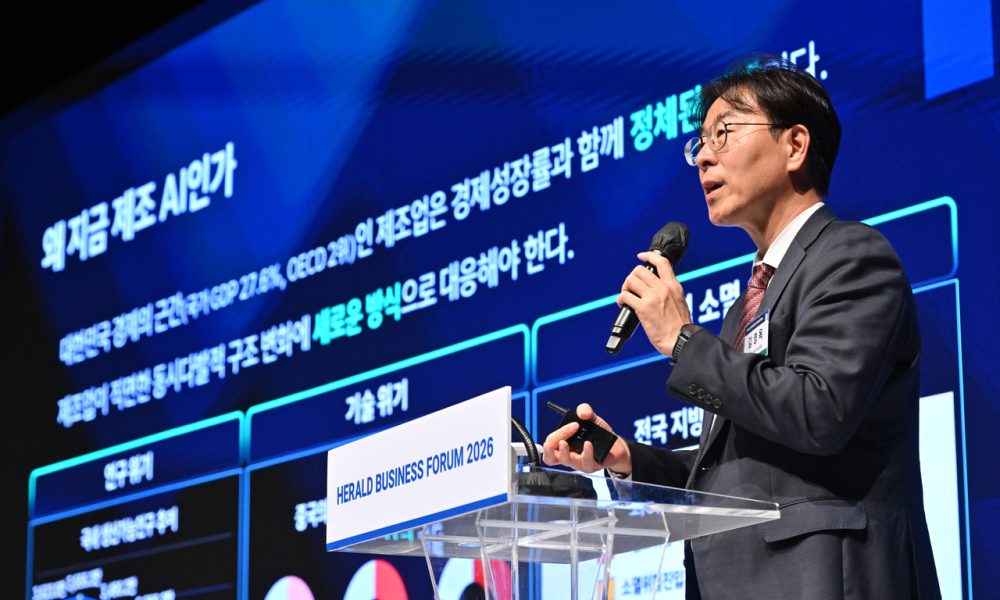
South Korea’s major industrial groups are expanding artificial intelligence into physical operations, with Hyundai Motor Group, POSCO, HD Hyundai, Samsung SDI, LG Electronics and aerospace companies outlining new uses across manufacturing, shipbuilding, batteries, robotics and satellites.
Quick Skim
- Hyundai Targets 24/7 Dark Factory in Singapore
- POSCO Uses AI Agents Across Industrial R&D
- HD Hyundai Applies AI to Ships and Shipyards
- Samsung SDI Targets Humanoid Robot Battery Market
- LG Electronics Focuses on Factory Data for Physical AI
- AI Expands Into Satellite Operations
- KAI Links AI Satellites With Next-Generation Aircraft
- Industrial AI Moves Beyond Software
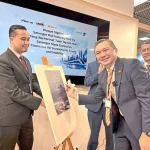
Executives speaking at the Herald Business Forum in Seoul said the next phase of AI adoption will increasingly focus on complex industrial tasks that conventional automation has struggled to handle.
Hyundai Targets 24/7 Dark Factory in Singapore
Hyundai Motor Group plans to pilot its Dark Factory 24/7 concept at the Hyundai Motor Group Innovation Center Singapore by 2030.
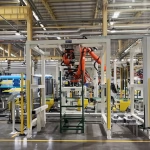
While press, body and paint shops are already highly automated, final vehicle assembly remains more difficult.
At Hyundai’s recently built Ulsan electric vehicle plant, automation in trim and final assembly has reached around 43%.
The company expects robots to take on more repetitive and physically demanding work, allowing employees to focus on supervision and process management.
POSCO Uses AI Agents Across Industrial R&D
POSCO Holdings is applying AI across steelmaking, battery materials, trading and construction.
Its research institutes are introducing AI agents into R&D workflows to automate analysis and shorten the time required to process experimental data.
POSCO said some tasks that previously took around two days can now be completed in only a few minutes.
The company is using AI not only to automate individual tasks but also to redesign broader industrial workflows.
HD Hyundai Applies AI to Ships and Shipyards
HD Hyundai is expanding AI across both vessel operations and shipbuilding.
The company is developing technologies for autonomous navigation and route optimisation to reduce vessel operating costs.
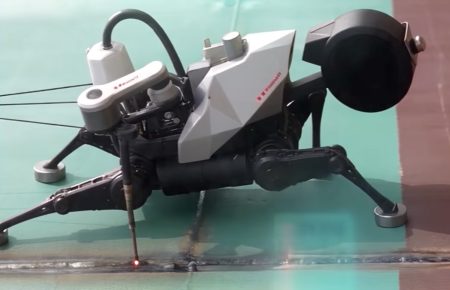
Inside shipyards, robots are increasingly being deployed for hazardous work such as welding in enclosed spaces.
HD Hyundai is also using digital twins developed with Nvidia and Siemens to simulate shipyard operations and identify opportunities to improve productivity.
Samsung SDI Targets Humanoid Robot Battery Market
Samsung SDI sees humanoid robotics as a growing market for advanced batteries.
The company said it has secured supply agreements with more than five major Chinese humanoid robot manufacturers for its 21700 cylindrical battery cells.
Samsung SDI also plans to apply its SolidStack all-solid-state battery technology to humanoid robots, with mass production targeted for 2027.
Humanoid robots require compact batteries with high energy density and strong safety performance, creating a new potential market for advanced battery manufacturers.
LG Electronics Focuses on Factory Data for Physical AI
LG Electronics is concentrating on factory-floor data to train robots to make real-time decisions.
A key area is collecting failure-and-recovery data, showing how machines respond when a task goes wrong and how they correct the mistake.
This type of data could become increasingly important for Physical AI because industrial robots need to respond to changing conditions rather than simply repeat pre-programmed movements.
LG Electronics said the commercial value of these systems will ultimately depend on whether they deliver measurable improvements in productivity and operations.
AI Expands Into Satellite Operations
South Korean aerospace companies are also applying AI beyond factories and shipyards.
LIG Nex1 is exploring AI systems that can process satellite imagery to identify specific targets and monitor maritime vessel movements.
Korea Aerospace Industries is developing onboard AI that could allow satellites to filter out unusable imagery, including cloud-covered images, without waiting for instructions from ground stations.
Future satellite networks could also coordinate missions more autonomously.
KAI Links AI Satellites With Next-Generation Aircraft
Korea Aerospace Industries sees intelligent satellite networks supporting its planned sixth-generation crewed-uncrewed teaming systems.
The concept would link crewed aircraft such as the KF-21 with autonomous support and decoy drones.
KAI has also highlighted the need for radiation-hardened AI processors capable of operating reliably in space, where conventional semiconductor components can be affected by radiation.
This could create additional opportunities across semiconductor design, satellite systems and aerospace manufacturing.
Industrial AI Moves Beyond Software
The strategies outlined by South Korea’s industrial groups show AI moving further into physical operations.
Factories are adopting robots and AI agents, shipyards are combining automation with digital twins, battery manufacturers are preparing for humanoid demand, and aerospace companies are developing more autonomous satellite systems.
Across these industries, the challenge is shifting from simply developing AI models to integrating them with machines, production systems and real-world industrial environments where reliability, safety and productivity are critical.